


By Jorge Vazquez, CEO & Co-Founder, Graystone Investment Group
In my 20+ years of real estate investing across Florida—navigating everything from the 2008 housing crash to today’s evolving market—I’ve learned one fundamental truth: the investors and buyers who win are those who know how to adapt to the cost of debt.
With mortgage rates fluctuating significantly above the historic lows of previous years, traditional financing has made monthly payments tough for both homebuyers and real estate investors. However, there is a powerful creative financing strategy hiding in plain sight: assumable mortgage homes for sale in Florida.
Taking over a seller’s existing mortgage at an interest rate of 2.75%, 3.5%, or 4% can save you hundreds—or even thousands—of dollars every single month. In this guide, I’m breaking down exactly how assumable mortgages work in the Sunshine State, where to find these properties, how to handle the “equity gap,” and how we analyze these deals at Graystone Investment Group.
What Is an Assumable Mortgage?
An assumable mortgage allows a qualified buyer to take over (assume) the seller’s existing mortgage loan. When you assume a loan, you inherit:
-
The seller’s existing interest rate (often locked in between 2.5% and 4.0% from 2020 to 2021).
-
The remaining principal balance.
-
The original loan term and amortization schedule.
Instead of applying for a brand-new loan at current market rates, you simply step into the seller’s shoes with their existing lender.
For example, on a $400,000 purchase price, assuming a $300,000 loan at 3.25% versus taking out a new loan at 6.75% can reduce your monthly principal and interest payment by nearly $700 per month. Over 30 years, that translates to over $250,000 in interest savings.
Which Homes for Sale in Florida Have Assumable Mortgages?
Not all home loans are assumable. In Florida, government-backed loans are generally assumable by law, while most conventional loans contain a “Due-on-Sale” clause that prevents assumption.
Here is the breakdown:
1. FHA Loans (Federal Housing Administration)
All FHA loans are generally assumable, provided the buyer passes the lender’s creditworthiness and income underwriting standards. Because Florida has a high concentration of FHA loans across metro areas like Tampa Bay, Orlando, Jacksonville, and South Florida, this represents a huge pool of potential opportunities.
2. VA Loans (U.S. Department of Veterans Affairs)
VA loans are among the most attractive assumable mortgages available. Crucially, you do NOT have to be a veteran to assume a VA loan. Anyone who meets the lender’s credit and income criteria can assume a VA mortgage.
-
Note for Sellers: If a non-veteran assumes a VA loan, the seller’s VA loan entitlement remains tied to that property until the loan is paid off, which can restrict the seller’s ability to use their full VA entitlement on their next home purchase.
3. USDA Loans (U.S. Department of Agriculture)
In Florida’s suburban-rural transition zones (such as parts of Polk, Pasco, Marion, and Lake counties), USDA loans are common. USDA loans are assumable, though the lender may sometimes adjust the interest rate or terms depending on current program rules.
The Biggest Challenge: Solving the “Equity Gap”
Finding assumable mortgage homes for sale in Florida sounds like a dream, but there is one major hurdle every buyer and investor must prepare for: the Equity Gap (or Cash Gap).
The equity gap is the difference between the purchase price of the home and the remaining balance on the seller’s mortgage.
Example Scenario:
-
Florida Home Purchase Price: $450,000
-
Seller’s Assumable Loan Balance: $320,000 (at 3.125% interest rate)
-
Equity Gap to Cover: $130,000
To close this deal, the buyer must cover that $130,000 gap. How do smart buyers and investors structure this?
-
Out-of-Pocket Cash: Using liquid funds or savings to pay the difference.
-
Second Mortgage / HELOC: Obtaining a secondary loan or private note for the remaining equity portion.
-
Seller Financing / Wraparound Note: Negotiating with the seller to carry back a second note for part of their equity.
-
Cross-Collateralization: For real estate investors with existing portfolios, leveraging equity in another property to fund the gap.
How to Find Assumable Mortgage Homes in Florida
Finding these properties takes strategy because standard search engines don’t always highlight them cleanly. Here is how we track them down at Graystone Investment Group:
-
Filter MLS Public & Agent Remarks: Search listing databases using key phrases like “assumable loan,” “assumable VA rate,” “FHA assumption,” or “low rate transfer.”
-
Leverage Specialized Investor Networks: Work with investor-focused brokerages that source off-market properties where sellers need a clean exit or are willing to cooperate on creative transfers.
-
Target Properties Built/Sold Between 2020–2022: Homes purchased or refinanced during the ultra-low interest rate era (2020 to early 2022) carry the most valuable loans to assume.
4 Rules for Underwriting Assumable Deals in Florida
At Graystone, my philosophy has always been simple: Don’t buy a property just because the financing sounds exciting—buy it because the numbers make sense.
When evaluating an assumable mortgage property in Florida, apply these rules:
-
Factor in Lender Processing Timelines: Loan assumptions typically take 60 to 90+ days to process through servicer assumption departments. Make sure your purchase contract allows adequate time.
-
Run the Blended Cost of Capital: If you use a second mortgage at 8% or 9% to cover the equity gap, calculate your blended interest rate. Ensure the overall monthly debt service still beats taking out a new single loan.
-
Account for Florida Property Expenses: Never ignore property taxes, HOA fees, and insurance costs. Florida’s insurance market requires diligent pre-closing estimates.
-
Get a Release of Liability for Sellers: If you are selling a home with an assumable mortgage, ensure your contract requires the buyer to obtain a formal release of liability from the loan servicer so you are not responsible if they default down the road.
Final Thoughts from Jorge
An assumable mortgage is one of the most effective tools to combat high borrowing costs in Florida today. Whether you’re a homebuyer trying to keep your monthly payments manageable or an investor scaling a cash-flowing portfolio, mastering creative financing options like loan assumptions gives you an immediate competitive advantage.
If you’re looking for guidance on finding, structuring, and closing profitable real estate deals in Tampa Bay and across Central Florida, my team and I at Graystone Investment Group are here to help.
Internal & Related Resources
-
Meet the Author: Meet the Man Behind Graystone: Jorge Vazquez, CEO & Co-Founder
-
Florida Real Estate Strategy: The Florida Investor’s Blueprint: How to Scale & Build Passive Wealth
-
Government Resource: U.S. Department of Housing and Urban Development (HUD) – FHA Loan Guidelines
Book an Expert
New investor? Start with Jorge.
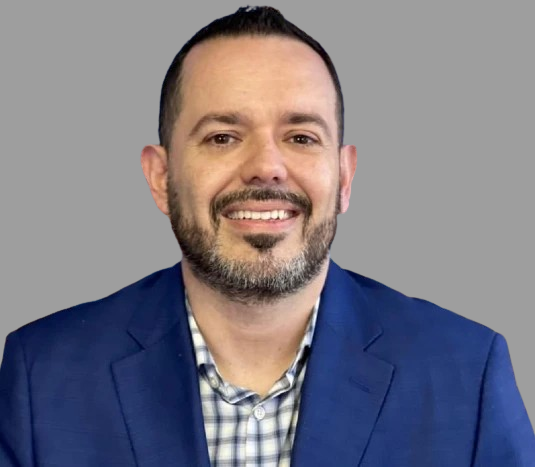
Jorge Vazquez – CEO & Investment Strategist at Graystone. Let’s make your portfolio stronger, steadier, and more profitable.
Deals? Book with Cody.

Meet Cody Bergstrom, Your Expert in Finding Deals Let’s find an off-market deal that actually works for you.
Need financing? Book with Lisa.

Meet Lisa Kaye Price, the LendingGig Top ML Let’s figure out the smartest way to fund your next deal.
Looking for PM? Book with Jay

Jay Michalec – COO & Property Management Expert at Graystone. Let’s make your rentals easier, calmer, and more profitable.