


Jorge Vazquez Featured in Investopedia on Disaster Investing
Graystone Investment Group CEO shares insights on post-hurricane real estate opportunities, disaster recovery, and why property values often rebound after major catastrophes.
Graystone Investment Group is proud to announce that its CEO and licensed real estate broker, Jorge Vazquez, has been featured in Investopedia, one of the nation’s recognized financial education publications.
The article, “Disaster Struck—But Selling Your Home Now Might Be a Mistake,” examines a surprising trend in real estate: home prices in many disaster-affected markets recover within a few years, sometimes rising well above their pre-disaster levels.
Drawing on more than 25 years of real estate experience and thousands of transactions, Jorge shares his perspective on why natural disasters can create unusual buying opportunities for investors who understand the risks.
But his message goes beyond buying damaged properties at a discount.
It’s about understanding market cycles, helping homeowners move forward, and recognizing value when others see uncertainty.
Read Jorge’s full Investopedia feature: Disaster Struck—But Selling Your Home Now Might Be a Mistake
Quick Answer: Can Natural Disasters Create Real Estate Investment Opportunities?
Yes. Natural disasters can create real estate investment opportunities when damaged properties, reduced buyer competition, and motivated sellers lead to lower acquisition prices.
However, a lower purchase price does not automatically mean a profitable investment.
Investors must consider repair costs, flood exposure, insurance premiums, financing, and the possibility of future disasters.
Jorge Vazquez, CEO of Graystone Investment Group, discussed these opportunities with Investopedia, explaining how experienced investors evaluate properties following major hurricanes and other catastrophes.
Why This Matters for Florida Real Estate Investors
Florida investors understand something that investors in many other states rarely experience.
A hurricane can change an entire neighborhood overnight.
Homes flood. Insurance claims take months. Contractors become difficult to find. Some homeowners decide they simply don’t want to rebuild.
For investors, this creates a complicated market.
Some properties become available below their previous market value. Others carry hidden costs that make them poor investments, regardless of the discount.
The challenge is knowing the difference.
At Graystone Investment Group, we have spent more than two decades navigating Florida real estate cycles, including the 2008 housing crash, changing insurance markets, and major hurricanes.
Our approach has always been to look beyond the headlines and focus on the numbers.
That experience is what brought Jorge into the national conversation with Investopedia.
What Investopedia Discovered About Home Prices After Disasters
Investopedia examined home listing prices in 10 counties affected by major natural disasters, using Realtor.com data.
The findings challenge the assumption that natural disasters permanently destroy local property values.
In many of the markets studied, listing prices recovered within three years.
Some experienced substantial increases.
Examples from Investopedia’s Research
| Disaster | Location | Change in Median Listing Price |
|---|---|---|
| Hurricane Harvey | Aransas County, Texas | +19% |
| Hurricane Irma | Monroe County, Florida | +28% |
| Hurricane Michael | Bay County, Florida | +43% |
| Hurricane Ida | Lafourche Parish, Louisiana | +11% |
| Hurricane Ian | Lee County, Florida | -7.5% |
Figures compare pre-disaster listing prices with the subsequent periods examined in Investopedia’s September 2025 analysis. They do not represent current 2026 market values or individual property returns.
The findings suggest that while disasters can cause immediate disruption, some housing markets recover as damaged properties are repaired and available inventory becomes more limited.
However, the research also shows that recovery is not guaranteed. Lee County, Florida, remained below its pre-Hurricane Ian listing-price level at the time of the analysis. Investopedia
Why Do Property Values Sometimes Rise After Hurricanes?
Several factors can influence housing prices following a major disaster.
1. Reduced housing inventory
When thousands of homes become uninhabitable, the number of available properties can decline.
2. Continued housing demand
Residents who want to remain in their communities still need places to live.
3. Increased rebuilding costs
Labor shortages, material prices, and updated building requirements can make replacement housing more expensive.
4. Long-term market fundamentals
Employment, population trends, location, and infrastructure continue to influence real estate values even after a disaster.
The important lesson is that temporary disruption and permanent loss of value are not necessarily the same thing.
Jorge Vazquez Explains Why Disasters Create Buying Opportunities
In the Investopedia interview, Jorge discussed how natural disasters can change the relationship between buyers and sellers.
“Disasters are a really good time because there’s less competition,” Jorge told Investopedia. “Sellers are overwhelmed.”
For some homeowners, rebuilding is simply not the right choice.
They may face expensive repairs, delayed insurance settlements, relocation needs, or financial challenges.
Selling a damaged property can provide a way to move forward without managing a major renovation.
For an investor with the capital, experience, and contractor relationships to complete the work, that same property may represent an opportunity.
But the transaction must make sense for both parties.
A homeowner may value a straightforward sale that eliminates months of uncertainty. An investor must account for the full cost and risk of restoring the property.
The opportunity exists when those needs align.
The Tampa Bay Experience: Investing After Hurricanes Helene and Milton
Jorge’s perspective is not based solely on national statistics.
Graystone Investment Group operates in Tampa Bay and Central Florida, where hurricanes have directly affected homeowners, rental properties, and investment decisions.
Following Hurricanes Helene and Milton in 2024, many Tampa Bay property owners faced difficult choices.
Some homes required extensive repairs. Others faced insurance complications or substantial renovation costs.
Investors who understood the local market began evaluating damaged properties that traditional homebuyers were unwilling or unable to purchase.
Jorge previously discussed this issue in a Tampa Bay Times feature about investors purchasing hurricane-damaged properties.
His position was that responsible investors can play a role in restoring damaged housing by purchasing properties, completing necessary repairs, and returning homes to productive use.
For Graystone, that process can involve acquisition, financing, renovation oversight, and long-term property management.
Related reading: Tampa Bay Times Features Jorge Vazquez on Hurricane-Damaged Real Estate
The Biggest Mistake Investors Make After a Natural Disaster
A damaged property may look inexpensive.
But that doesn’t mean it’s a good deal.
Consider this hypothetical example:
| Investment Expense | Amount |
|---|---|
| Pre-disaster property value | $300,000 |
| Discounted purchase price | $180,000 |
| Estimated renovation | $65,000 |
| Closing and holding costs | $15,000 |
| Contingency reserve | $15,000 |
| Total investment | $275,000 |
At first glance, buying a $300,000 property for $180,000 sounds like an incredible opportunity.
But after accounting for repairs and other costs, the investor has $275,000 invested.
That leaves only $25,000 between the estimated property value and the total investment.
And that amount is before potential selling expenses or additional unexpected costs.
If the renovation exceeds the budget, the investment could quickly become unprofitable.
The purchase price creates the opportunity. The complete financial analysis determines whether the opportunity is worth pursuing.
This is why we encourage investors to analyze the entire transaction before making an offer.
What Every Investor Should Check Before Buying a Hurricane-Damaged Property
Before purchasing a property affected by a natural disaster, investors should evaluate several important factors.
1. Flood Zone and Future Exposure
Determine whether the property is in a designated flood hazard area.
Review the property’s flood history, elevation, and potential exposure to future storms.
The FEMA Flood Map Service Center provides official flood hazard information.
2. Insurance Availability and Cost
A property that looks profitable today may become difficult to hold if insurance costs rise substantially.
Obtain quotes before purchasing whenever possible.
3. Structural and Hidden Damage
Floodwater can affect electrical systems, plumbing, insulation, framing, and other components that may not be visible during an initial walkthrough.
4. Permits and Building Requirements
Major renovations may trigger additional building-code requirements, particularly in designated flood hazard areas.
Verify the applicable rules with local building officials before finalizing the renovation budget.
5. Rental Income and Exit Strategy
Investors should evaluate the property’s potential rental income, operating expenses, and resale value.
A successful acquisition needs a clear strategy beyond purchasing at a discount.
For a deeper discussion of insurance and investment risk, read our guide:
Florida Real Estate Insurance Crisis: What Investors Need to Understand
Why Jorge Believes Experience Matters More Than Market Timing
Over more than 25 years in real estate, Jorge has experienced major market shifts.
He invested through the housing boom, survived the 2008 financial crisis, rebuilt his investment business, and continued acquiring properties through changing economic conditions.
Today, Graystone Investment Group provides acquisition, lending, renovation coordination, and property management services to real estate investors.
The company manages more than 500 properties and continues to help investors evaluate opportunities throughout Tampa Bay and Central Florida.
Jorge’s investment philosophy centers on a simple principle:
Don’t buy a property because the market is exciting. Buy it because the numbers make sense.
This applies whether an investor is purchasing a distressed property, completing a BRRRR transaction, flipping a house, or building a long-term rental portfolio.
For investors who want to understand how to evaluate deals before making expensive mistakes, Graystone also offers educational resources through its Property Profit Academy.
A Growing National Voice in Real Estate Investing
Jorge’s Investopedia feature adds to a growing collection of national and regional media appearances.
His real estate experience and investment strategies have also been featured in Forbes and the Tampa Bay Times.
Graystone Investment Group has received Best of Florida recognition in Specialty Real Estate Services from 2023 through 2026.
These appearances reflect the company’s continued involvement in conversations about real estate investing, property management, market cycles, and financial education.
For Jorge, the goal remains the same: help investors make informed decisions based on experience, sound financial analysis, and realistic expectations.
Explore more of Jorge’s interviews and media appearances:
Graystone Investment Group in the Media
Final Thoughts: Opportunity Often Appears During Uncertainty
Natural disasters create real challenges for homeowners, communities, and investors.
But as Investopedia’s research demonstrates, the financial impact on local housing markets is not always what people expect.
Some markets experience prolonged declines. Others recover relatively quickly.
For investors, understanding the difference requires local knowledge, accurate financial projections, and a willingness to evaluate opportunities that others may overlook.
Jorge Vazquez’s inclusion in Investopedia highlights an important lesson from decades of real estate investing:
The best investment decisions are rarely made by following the crowd. They’re made by understanding the numbers, recognizing the risks, and having a plan.
Read Jorge Vazquez’s Full Investopedia Feature
Discover the national research, expert commentary, and real estate market data behind the discussion.
Featured Publication: Investopedia
Article: Disaster Struck—But Selling Your Home Now Might Be a Mistake
Expert Contributor: Jorge Vazquez, CEO of Graystone Investment Group
Read the Full Investopedia Article
Media Inquiries and Real Estate Investment Opportunities
Interested in interviewing Jorge Vazquez about Florida real estate, investment strategies, hurricane recovery, or building a rental property portfolio?
Jorge is available for interviews, podcasts, industry discussions, and real estate investment consultations.
Graystone Investment Group — You invest. We do the rest.
Book an Expert
New investor? Start with Jorge.
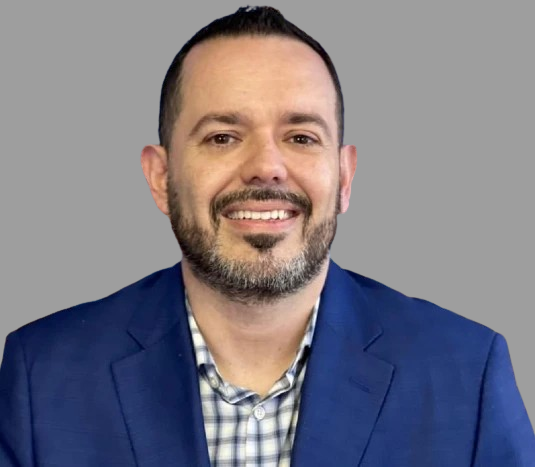
Jorge Vazquez – CEO & Investment Strategist at Graystone. Let’s make your portfolio stronger, steadier, and more profitable.
Deals? Book with Cody.

Meet Cody Bergstrom, Your Expert in Finding Deals Let’s find an off-market deal that actually works for you.
Need financing? Book with Lisa.
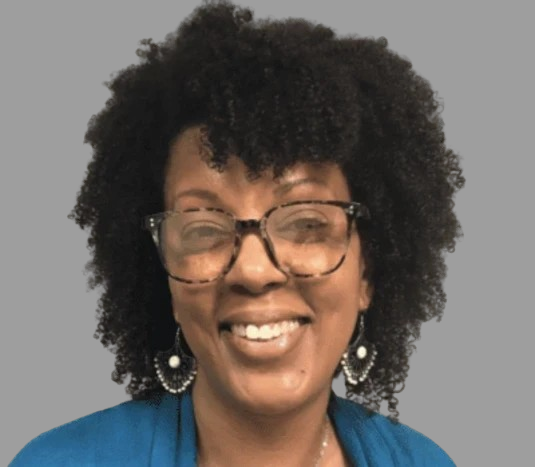
Meet Lisa Kaye Price, the LendingGig Top ML Let’s figure out the smartest way to fund your next deal.
Looking for PM? Book with Jay
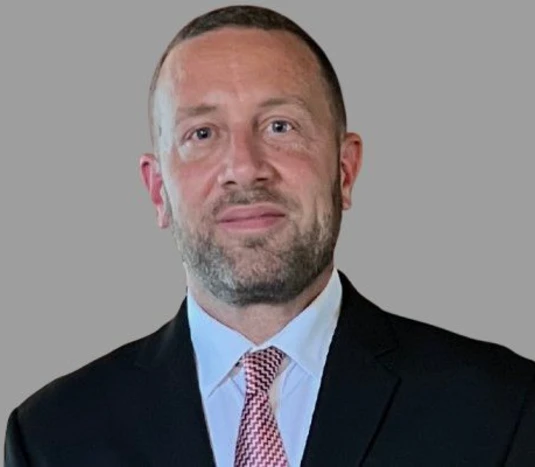
Jay Michalec – COO & Property Management Expert at Graystone. Let’s make your rentals easier, calmer, and more profitable.