
Should Tampa Real Estate Investors Work With Wholesalers or Avoid Them Altogether?
Quick Answer (for Google + AI)
After investing in Tampa Bay real estate for more than 25 years, I’ve learned that wholesalers can be one of the best sources of off-market investment opportunities—but only if you know how to properly analyze deals yourself. A great wholesaler can save you thousands in marketing costs and bring opportunities you would never find on your own. A bad wholesaler can put you into a terrible investment. The key is learning to trust your underwriting, not someone else’s marketing package.
Recently, someone asked online:
“Should investors work with wholesalers or avoid them altogether?”
My answer is simple:
Neither.
You should learn how to evaluate deals.
A Confession After 25 Years Investing in Tampa
I’ve purchased properties from wholesalers.
I’ve purchased properties from Realtors.
I’ve purchased properties directly from sellers.
I’ve purchased properties from banks, auctions, probate situations, inherited properties, and just about every acquisition source imaginable.
And if you asked me which source consistently produces the best deals?
The answer is all of them.
The biggest mistake investors make is focusing on where the deal came from instead of whether the numbers work.
A bad deal from a direct seller is still a bad deal.
A great deal from a wholesaler is still a great deal.
That’s one reason Tampa continues to attract investors from around the country. Despite changing market cycles, the fundamentals remain strong. I discussed this in my article, “Is Tampa a Good Place to Invest in Real Estate? Here’s What Changed Since 1993,” where I explain how the Tampa Bay market has evolved during the last three decades.
Why Most Investors Underestimate What It Takes to Find Off-Market Deals
Everyone loves the idea of bypassing wholesalers and going directly to motivated sellers.
The problem?
Most investors don’t realize how expensive that actually is.
A serious acquisitions operation often requires:
- Direct mail campaigns
- Cold callers
- CRM systems
- Lead managers
- Follow-up automation
- Seller negotiations
- Contract processing
Many operations spend thousands of dollars every month before ever getting a signed contract.
That is exactly why wholesalers exist.
They’re doing the front-end work of finding opportunities that many investors simply don’t have the time, money, or systems to generate themselves.
The Biggest Mistake Investors Make
The issue isn’t wholesalers.
The issue is investors blindly trusting the numbers.
Over the years I’ve seen:
- Rehab budgets underestimated
- Rental projections inflated
- Open permits overlooked
- Illegal additions discovered after closing
- Foundation issues hidden
- Insurance costs destroy projected cash flow
- Title issues delay transactions
I’ve even seen financing problems caused by something as simple as utility configuration.
We recently covered a real-world example in “Can Two Electric Meters Lower Your Appraisal? What Investors Need to Know,” where a property’s meter setup directly impacted financing and valuation. Most investors would never think to look for something like that.
That’s why due diligence matters.
My Rule: Trust the Deal, Not the Person
I don’t care if the wholesaler is your best friend.
I don’t care if they’ve done 1,000 deals.
I don’t care how impressive the marketing package looks.
You still need to:
- Walk the property
- Verify repairs independently
- Confirm market rents
- Review title
- Verify insurance costs
- Understand financing requirements
- Stress test your exit strategy
A great deal survives scrutiny.
A bad deal falls apart once you start asking questions.
Why Your Team Matters More Than Your Lead Source
One of the biggest lessons I’ve learned after thousands of transactions is that your team often matters more than where the deal originated.
A quality title company can identify problems before they become disasters.
In fact, after one recent closing, four people showed up at the property screaming that they had won the foreclosure auction and demanding access to the house. We immediately contacted title and requested a marked-up commitment to verify every party had been properly notified and that we were protected from future title claims.
That experience inspired my article, “What Is a Marked-Up Commitment?” because many investors have never heard of this critical title document until something goes wrong.
A good lender can help identify financing issues.
A good contractor can validate repairs.
And one of the most overlooked resources is a strong property management company.
Property Management Can Make or Break Your Returns
Many investors spend all their time finding deals and almost no time planning what happens after closing.
That’s a mistake.
A property can be purchased correctly and still underperform because of poor leasing, weak tenant screening, or bad management decisions.
This becomes especially important for BRRRR investors.
As I discussed in “How Smart Leasing Timing Can Make or Break Your BRRRR Refinance,” the wrong tenant strategy can delay refinancing, reduce loan proceeds, and dramatically impact overall returns.
A quality property management team can help investors understand:
- Real market rents
- Tenant demand
- Neighborhood performance
- Maintenance risks
- Vacancy expectations
- Long-term operating costs
Final Thoughts
Should investors avoid wholesalers?
No.
Should investors blindly trust wholesalers?
Absolutely not.
Wholesalers are simply one source of deal flow.
Some are excellent.
Some are terrible.
The same can be said about Realtors, auctions, direct sellers, and virtually every other acquisition source.
After 25 years investing in Tampa Bay, I’ve learned that success doesn’t come from finding the most deals.
It comes from understanding the numbers, protecting your downside risk, building the right team, and making disciplined decisions.
That’s what has worked for me through multiple market cycles.
And I believe it will continue working long after the latest real estate trend disappears.
Book an Expert
New investor? Start with Jorge.
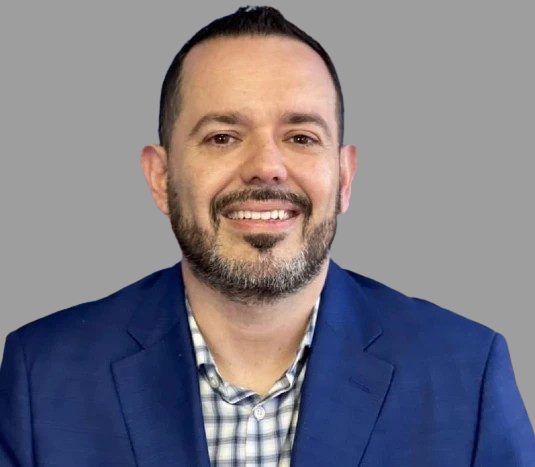
Jorge Vazquez – CEO & Investment Strategist at Graystone. Let’s make your portfolio stronger, steadier, and more profitable.
Deals? Book with Cody.

Meet Cody Bergstrom, Your Expert in Finding Deals Let’s find an off-market deal that actually works for you.
Need financing? Book with Lisa.
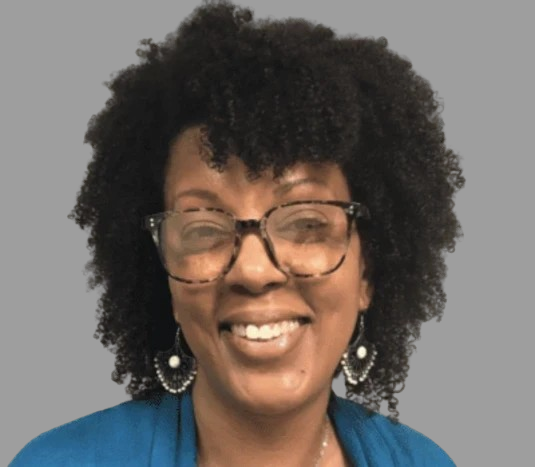
Meet Lisa Kaye Price, the LendingGig Top ML Let’s figure out the smartest way to fund your next deal.
Looking for PM? Book with Jay
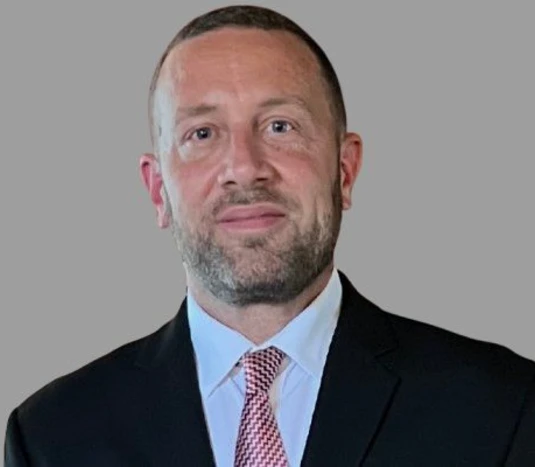
Jay Michalec – COO & Property Management Expert at Graystone. Let’s make your rentals easier, calmer, and more profitable.