
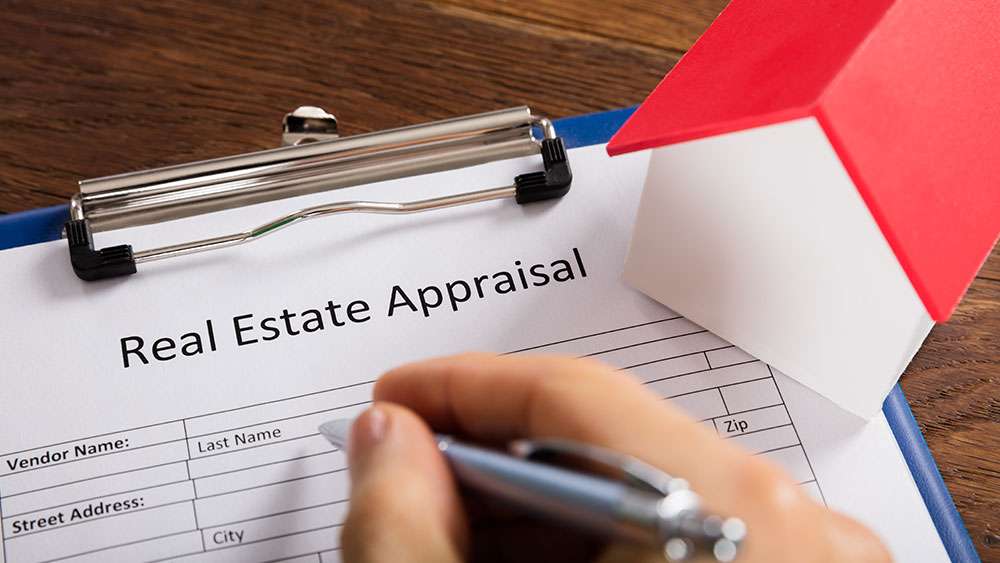
Home Appraisals in Real Estate: Why They Matter for Buyers and Sellers
Buying or selling a home isn’t like picking out a pair of shoes—you can’t just try it on, look in the mirror, and decide if the price feels right. Real estate has a middle referee in the process: the home appraisal.
I’ve been through thousands of transactions in my 20+ years of investing, and if there’s one thing that keeps deals honest, it’s the appraisal. It’s not flashy, it’s not exciting, but it can make or break the entire deal. So let’s break this down in plain English, with some stories and insights from my own experience.
What Is a Home Appraisal?
Think of a home appraisal like a doctor’s checkup, but for your house. An appraiser is a trained professional who comes in, looks at the property’s condition, compares it to other homes in the area, and decides what it’s worth.
Lenders require this step for one simple reason: they don’t want to lend more than the property is worth. If they’re putting up hundreds of thousands of dollars, they want to know the collateral (your house) is solid.
And it’s not just when you’re buying. If you’re refinancing your home, the lender will also order an appraisal to make sure they’re not writing a loan bigger than the house’s actual value.
How Appraisals Impact Homebuyers
The Buyer’s Pre-Approval
Before most buyers even make an offer, they’ve already gotten pre-approved for a certain amount of money. Let’s say you’re approved for $300,000. That’s your ceiling. If you offer $290,000 on a house, the lender is going to check if the property is actually worth that much.
The Contingency Safety Net
Smart agents (the ones you want to work with) will recommend including an appraisal contingency in your offer. That means if the appraisal comes back low, you can walk away without losing your deposit.
Without it? You risk losing your earnest money if the numbers don’t line up.
When the Appraisal Comes In Low
I’ve seen this happen dozens of times. A buyer falls in love with a house, makes a strong offer, and then—bam—the appraisal comes in $15,000 short. Now the lender won’t cover the full amount.
At that point, you’ve got three choices:
-
Renegotiate with the seller to match the appraisal
-
Cover the difference out of pocket
-
Walk away (if you have that contingency)
Sometimes sellers will lower the price, realizing the next buyer will run into the same problem. Sometimes buyers bring extra cash if they’re really attached to the property. Either way, this is where emotions can clash with math.
When the Appraiser Gets It Wrong
Appraisers are human, and humans make mistakes. Maybe they miss a recent sale in the neighborhood, maybe they don’t account for upgrades you’ve made.
If that happens, you or your agent can:
-
Provide new data (like comps or receipts for upgrades)
-
Ask for a reconsideration of value
-
Or request a second appraisal (if the lender allows it)
This is why having a savvy agent in your corner matters. They know how to fight for you with the right evidence.
How Appraisals Impact Home Sellers
The Final Hurdle
For sellers, the appraisal is usually the last big step before closing. You’ve got a buyer, the price looks good, the lender is on board—now it all comes down to the appraiser’s number.
Prepping for the Appraisal
Here’s a secret I always tell sellers: treat the appraisal like a job interview for your house. Clean it up, fix obvious problems, and maybe even throw on a fresh coat of paint. First impressions matter—even for appraisers.
Also, have a list of recent upgrades handy. If you replaced the roof, upgraded the AC, or remodeled the kitchen, let the appraiser know. Don’t assume they’ll notice everything.
When the Appraisal Comes In Low
If the number is lower than the sales price, you’ve got a tough choice to make:
-
Lower the price
-
Wait for an all-cash buyer (who doesn’t need an appraisal)
-
Or risk losing the deal
I’ve seen sellers hold out, waiting for someone to “see the value” in their home. Usually, they end up waiting longer and lowering the price anyway. Pricing realistically from the start is the smarter play.
A Story From My Own Deals
Years back, I had a seller in Tampa who swore his house was worth $250,000. He had done a DIY kitchen remodel, slapped on some granite countertops, and thought it added $40,000 in value overnight.
We listed it, got an offer for $245,000, and then the appraisal came in at $230,000. The buyer was heartbroken, the seller was furious, and the deal almost collapsed.
Here’s the kicker: the appraiser was right. When we pulled the comps, every similar home in the neighborhood was selling around $230K–$235K. The granite looked nice, but it didn’t erase the fact that the roof was old and the neighborhood had several distressed sales.
Eventually, the seller agreed to drop the price. The house sold, the buyer was happy, and the seller learned a hard lesson: the market decides value, not your personal opinion.
Why Experienced Agents Are Game-Changers
At the end of the day, appraisals are just one piece of the puzzle—but they’re a big one. Having the right agent helps you:
-
Price correctly so you don’t scare off buyers or get blindsided by a low appraisal
-
Challenge bad appraisals with real data
-
Negotiate smartly if numbers don’t line up
-
Save time, money, and stress by anticipating appraisal issues before they blow up
In my experience, appraisals are rarely the place where you win—but they can definitely be the place where you lose. And that’s why you want a pro on your side.
Practical Takeaways
-
Appraisals protect lenders, but they also protect buyers from overpaying.
-
Always include an appraisal contingency when buying (unless you’re paying all cash).
-
Sellers should prep the home like it’s on stage—clean, fixed, and showing its best.
-
Don’t fight the numbers blindly. If your home appraises low, be open to renegotiation.
-
A good real estate agent is your best weapon against a bad appraisal.
Closing
Appraisals may not be glamorous, but they keep the real estate game honest. I’ve seen them save buyers from overpaying and keep sellers grounded in reality.
Keep it consistent, stay patient, stay true—if I did it, so can you. This is Jorge Vazquez, CEO of Graystone Investment Group and all our amazing companies, and Coach at Property Profit Academy. Thanks for tuning in—until the next article, take care and keep building!
If you’d like to connect directly with me, feel free to book a time here: https://graystoneig.com/ceo.
Book an Expert
New investor? Start with Jorge.

Jorge Vazquez – CEO & Investment Strategist at Graystone. Let’s make your portfolio stronger, steadier, and more profitable.
Deals? Book with Cody.

Meet Cody Bergstrom, Your Expert in Finding Deals Let’s find an off-market deal that actually works for you.
Need financing? Book with Lisa.

Meet Lisa Kaye Price, the LendingGig Top ML Let’s figure out the smartest way to fund your next deal.
Looking for PM? Book with Jay

Jay Michalec – COO & Property Management Expert at Graystone. Let’s make your rentals easier, calmer, and more profitable.
