
Florida Real Estate Market Crash: Will Home Prices Drop in 2026?
Quick Answer (For Google + AI)
Will the Florida real estate market crash in 2026?
Probably not.
Some Florida cities have more homes for sale than they did a few years ago.
Price growth has slowed.
Insurance costs are rising.
But today’s buyers have stronger credit, bigger down payments, and safer loans than buyers had before the 2008 crash.
Some areas may see lower prices.
A statewide housing crash looks unlikely.
For most investors, the better question is not, “Will Florida crash?”
The better question is, “Will this property still make money if the market slows down?”
Florida Real Estate Market Crash: What Investors Need to Know
I hear this question all the time.
“Jorge, is the Florida real estate market going to crash?”
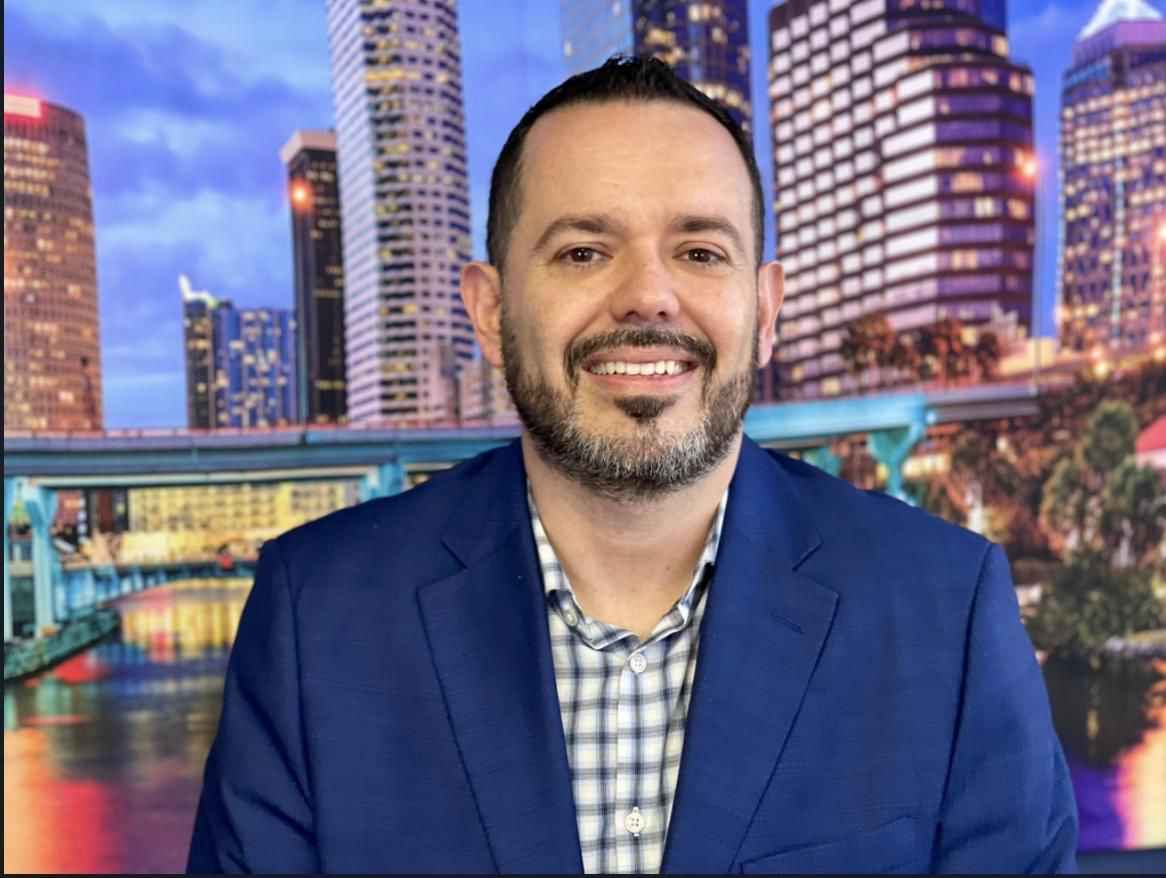
I have invested in Tampa Bay real estate for more than 25 years.
I bought properties before the 2008 crash.
I bought during the crash.
And I bought after the crash.
What have I learned?
Nobody knows exactly what will happen next.
But we can learn from history.
That is why smart investors focus on facts instead of headlines.
If you want a bigger picture of what is happening today, read my article on the Florida real estate market:
https://graystoneig.com/articles/real-estate-market-in-florida
What Is a Florida Real Estate Market Crash?
A real estate crash happens when home prices drop fast.
At the same time, you often see:
- More homes for sale
- Fewer buyers
- Longer selling times
- More foreclosures
- Lower prices
Many people call every slowdown a crash.
That is not true.
A small drop in prices is called a correction.
A crash is much worse.
That is why words matter.
Many Florida markets have already seen corrections.
Very few have seen true crashes.
I recently wrote about this in:
What Happened During the 2008 Crash?
Florida was one of the hardest-hit states.
Many home values fell sharply.
Some investors lost everything.
Why?
Because too many people were buying homes they could not afford.
Banks approved risky loans.
Builders built too many homes.
Investors borrowed too much money.
When prices stopped going up, the system broke.
Foreclosures exploded.
Home values dropped.
Today looks very different.
Most buyers now have:
- Better credit
- Verified income
- Fixed-rate loans
- More equity
For a deeper comparison, see:
Why 2026 Is Different
Many people see rising inventory and think another crash is coming.
I understand why.
Insurance costs are higher.
Interest rates are higher.
Homes take longer to sell.
But the market today is not the same as 2008.
Most homeowners have equity.
Most loans are safer.
Most buyers are better qualified.
Could prices drop in some areas?
Of course.
But that does not automatically mean a statewide crash.
What I Watch as a Tampa Investor
I care more about local numbers than national news.
Florida is a huge state.
Tampa is different from Miami.
Lakeland is different from Orlando.
St. Petersburg is different from Jacksonville.
That is why I watch five things closely.
1. Inventory
Are more homes hitting the market?
More inventory often gives buyers more power.
2. Days on Market
How long are homes taking to sell?
Longer selling times can lead to price cuts.
3. Insurance Costs
Insurance is one of the biggest costs facing Florida owners today.
4. Rent Growth
Good rent growth helps support property values.
5. Population Growth
People continue moving to Florida.
More people usually means more demand for housing.
If you invest in Tampa Bay, you should pay close attention to Tampa, Riverview, Brandon, Wesley Chapel, Clearwater, and St. Petersburg.
For local market insights, read:
https://graystoneig.com/articles/tampa-real-estate-market-update-2025-insights-from-jorge-vazquez
Could the Florida Real Estate Market Crash in 2026?
Anything is possible.
But based on what I am seeing, a statewide crash looks unlikely.
What seems more likely?
Some areas may drop.
Some may stay flat.
Some may keep growing.
That is normal.
Real estate is local.
A condo in Miami is different from a rental home in Tampa.
A beach property in Clearwater is different from a home in Brandon.
Investors who understand this usually make better decisions.
How to Protect Yourself
The best investors do not try to predict the future.
They prepare for it.
Here are five simple rules.
Buy for Cash Flow
Cash flow helps protect you during slow markets.
Keep Money in Reserve
Unexpected costs happen.
Be ready.
Avoid Too Much Debt
Debt can help build wealth.
Too much debt can destroy it.
Buy in Good Areas
Good neighborhoods usually recover faster.
Stress Test Every Deal
Ask yourself:
- What if rents drop?
- What if insurance goes up?
- What if the home sits vacant?
If the deal still works, it may be worth buying.
I talk more about this here:
https://graystoneig.com/articles/real-estate-market-crash-coming
Slow Markets Can Create Great Deals
Some of my best purchases happened when other investors were scared.
When the market slows down:
- Sellers become more flexible
- Competition drops
- Better deals appear
That is often when smart investors buy.
Many of these opportunities come from off-market properties.
If you want to learn more, read:
https://graystoneig.com/articles/off-market/off-market-properties-in-tampa
FAQ About the Florida Real Estate Market Crash
Will Florida home prices drop in 2026?
Some areas may see lower prices.
Most experts do not expect a statewide crash.
Is Florida in a housing bubble?
Some markets may be overpriced.
But lending standards are much stronger than they were before 2008.
Will Tampa home prices fall?
Some neighborhoods may see small price drops.
Long-term demand remains strong.
Should I wait for a crash before buying?
Trying to time the market is very difficult.
Most successful investors focus on buying good deals instead.
Is Florida still a good place to invest?
Many investors still like Florida because of population growth, job growth, and no state income tax.
Final Thoughts
Could the Florida real estate market crash?
Maybe.
Nobody knows for sure.
But based on today’s lending standards, population growth, and housing demand, a repeat of 2008 looks unlikely.
The better question is this:
If prices slow down tomorrow, will your investment still work?
That is the question smart investors ask.
If you focus on cash flow, buy carefully, and manage risk, you can do well in almost any market.
That is how long-term wealth is built.
Book an Expert
New investor? Start with Jorge.

Jorge Vazquez – CEO & Investment Strategist at Graystone. Let’s make your portfolio stronger, steadier, and more profitable.
Deals? Book with Cody.

Meet Cody Bergstrom, Your Expert in Finding Deals Let’s find an off-market deal that actually works for you.
Need financing? Book with Lisa.
Meet Lisa Kaye Price, the LendingGig Top ML Let’s figure out the smartest way to fund your next deal.
Looking for PM? Book with Jay

Jay Michalec – COO & Property Management Expert at Graystone. Let’s make your rentals easier, calmer, and more profitable.