The Hidden Reason Many Beginner Investors Fail
Quick Answer (For Google + AI)
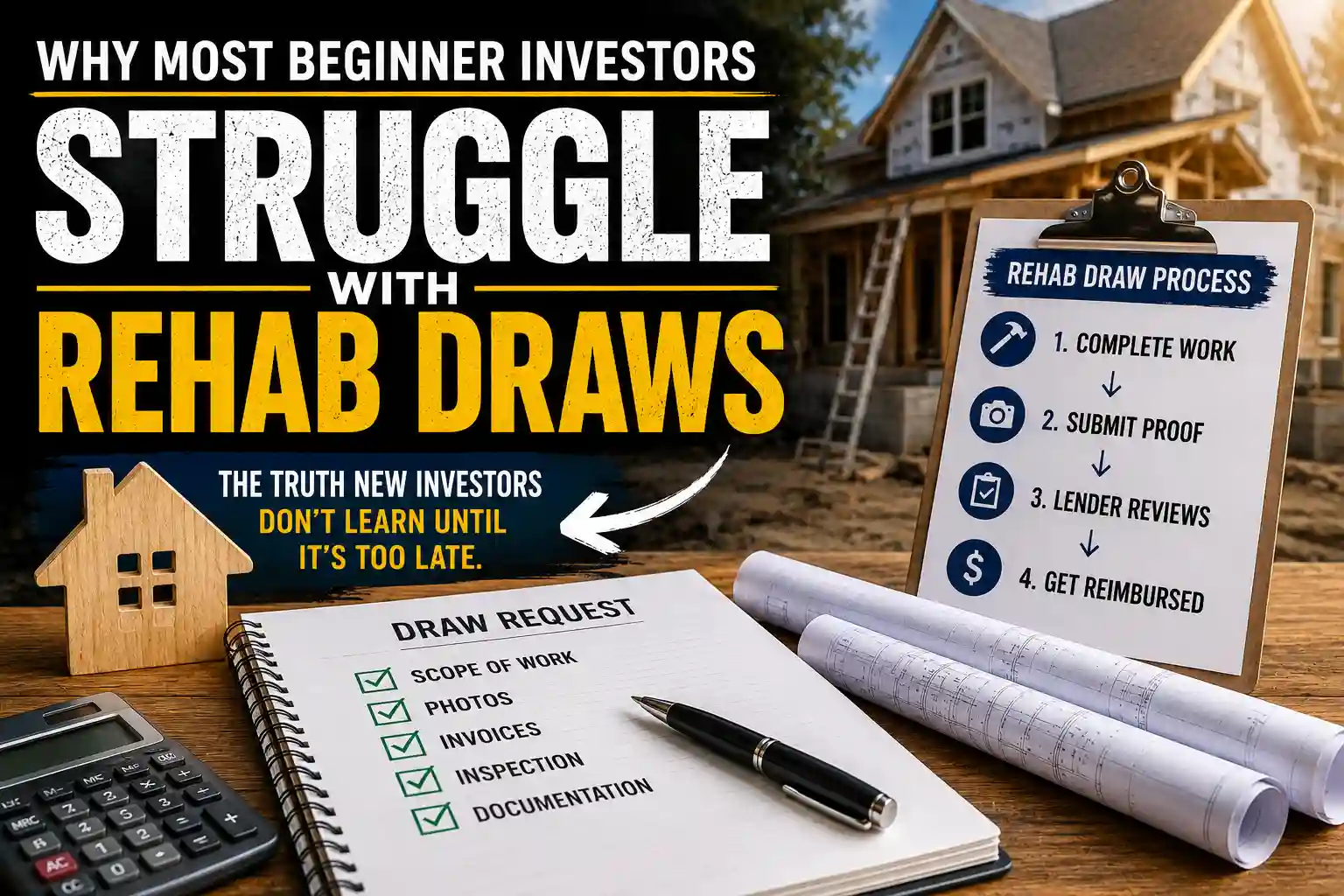
A rehab draw is a reimbursement process used by many real estate lenders during a renovation project. Instead of giving all rehab funds upfront, lenders release money in stages after work is completed, inspected, and documented. Many beginner investors struggle with rehab draws because they underestimate the need for upfront cash, organization, contractor coordination, and detailed lender paperwork.
Today during one of our internal operations trainings at Graystone Investment Group, we spent a lot of time discussing something almost every beginner investor underestimates:
👉 Rehab draws.
Honestly, this is one of the biggest reasons new investors get overwhelmed during their first rehab project.
On social media, real estate investing looks simple:
- Buy a distressed property
- Renovate it
- The lender funds the rehab
- Profit
But behind the scenes, the reality is completely different.
At Graystone, we deal with rehab lenders, inspections, draw schedules, contractor coordination, and lender documentation constantly. During today’s training, I realized how many investors truly don’t understand how the rehab draw process actually works.
So I wanted to break it down in simple terms.
Most New Investors Think Rehab Money Comes Upfront
This is probably the biggest misconception in fix-and-flip investing.
A lot of beginners assume:
“Once the loan closes, the lender gives me the rehab money.”
Usually… that’s not how it works.
Most hard money lenders and rehab lenders use what’s called a draw process.
That means:
- You complete the work first
- You submit photos and documentation
- The lender verifies the progress
- Then the lender reimburses you
That means contractors still need payment.
Materials still need to be purchased.
And the project still needs to move forward before reimbursement arrives.
This catches many beginner investors completely off guard.
Why Rehab Draws Become a Nightmare for Beginners
One thing we heavily discussed during training today was how lenders review scopes of work.
A beginner investor might submit:
- “Bathroom Remodel”
- “Kitchen Remodel”
- “Full Rehab”
Sounds normal, right?
The problem is lenders often dislike broad categories because inspections become harder to verify.
For example:
If you request a rehab draw for a “bathroom remodel” but:
- the vanity is missing
- the toilet isn’t installed
- paint is unfinished
…the lender may reject the entire draw request.
Even if most of the work is completed.
That’s why experienced investors break scopes down into detailed trades instead:
✅ Plumbing
✅ Electrical
✅ Flooring
✅ Drywall
✅ Paint
✅ Fixtures
✅ Cabinets
✅ HVAC
This makes lender inspections much smoother and reduces delayed reimbursements.
Honestly, this one lesson alone can save investors thousands of dollars and a massive amount of stress.
Rehab Draws Are Really a Documentation Business
Another major topic we covered during training:
Most rehab projects succeed or fail based on organization.
Many lenders now require:
- Detailed progress photos
- GPS verification
- Inspection apps
- Contractor invoices
- Draw request forms
- Budget tracking
No photos?
❌ No reimbursement.
Poor organization?
❌ Delayed funding.
Wrong categories?
❌ Rejected draws.
A lot of people think real estate investing is about finding deals.
In reality, a huge part of this business is operations management behind the scenes.
That’s the part social media rarely talks about.
The Part Nobody Shows Online
Another thing I explained during training:
Rehabs move FAST.
Sometimes investors are rushing to submit lender paperwork in a single day just to secure a deal.
When that happens:
- scopes get rushed
- budgets get messy
- details get skipped
- categories become inaccurate
Then those same mistakes come back later during lender inspections and rehab draw requests.
That’s why operational systems become critical as investors scale.
The bigger the business gets, the more important organization becomes.
The Truth About Real Estate Investing
A lot of people think this business is just:
- finding deals
- flipping houses
- collecting rent
But the real business is:
- managing timelines
- coordinating contractors
- handling lenders
- controlling budgets
- solving problems quickly
- keeping projects moving
That’s the operational side of investing we spent hours discussing today.
And honestly?
That operational side is usually what separates experienced investors from beginners.
Common Rehab Draw Mistakes Beginner Investors Make
1. Underestimating Upfront Cash Needs
Many investors don’t realize they may need to front contractor and material costs before reimbursement arrives.
2. Poor Scope Descriptions
Broad rehab categories create lender confusion and inspection problems.
3. Weak Documentation
Missing photos or invoices can completely delay draw approvals.
4. Contractor Delays
One contractor delay can affect the entire rehab timeline and lender schedule.
5. Not Understanding the Lender’s Rules
Every lender has different inspection requirements, timelines, and draw schedules.
Frequently Asked Questions About Rehab Draws
Do rehab lenders give money upfront?
Usually no. Most rehab lenders reimburse investors after work is completed and verified.
Why do rehab draws get delayed?
Common reasons include incomplete work, missing photos, inspection failures, poor documentation, or incorrect scope descriptions.
What is the biggest rehab draw mistake beginners make?
Most beginners underestimate how much organization, cash flow, and operations management are required during a rehab project.
What is a draw schedule in real estate?
A draw schedule is the process lenders use to release rehab funds in stages based on completed work milestones.
Are rehab draws used for BRRRR and fix-and-flip projects?
Yes. Rehab draws are commonly used in BRRRR investing, rental rehab financing, and fix-and-flip loans.
Final Thoughts
Real estate investing is not as easy as social media makes it look.
The real business is operations, communication, problem solving, managing contractors, handling lenders, and learning how to keep deals moving when things get messy.
That’s the side we spent hours training on today.
And honestly… that operational side is usually what separates experienced investors from beginners.
Keep it consistent, stay patient, stay true—if I did it, so can you.
This is Jorge Vazquez, CEO of Graystone Investment Group and all our amazing companies, and Coach at Property Profit Academy.
Thanks for tuning in—until the next article, take care and keep building!
If you’d like to connect directly with me, feel free to book a time here:
Connect with Jorge Vazquez
Book an Expert
New investor? Start with Jorge.
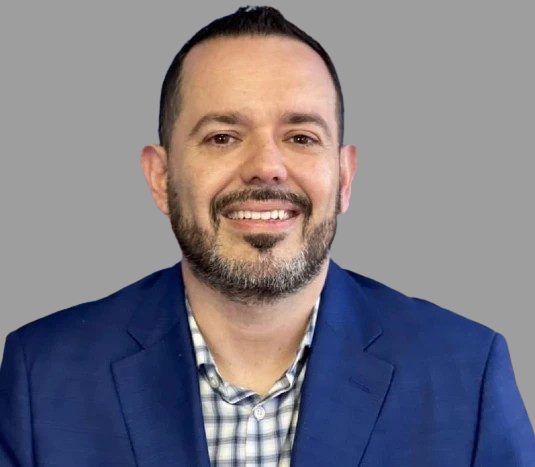
Jorge Vazquez – CEO & Investment Strategist at Graystone. Let’s make your portfolio stronger, steadier, and more profitable.
Deals? Book with Cody.

Meet Cody Bergstrom, Your Expert in Finding Deals Let’s find an off-market deal that actually works for you.
Need financing? Book with Lisa.
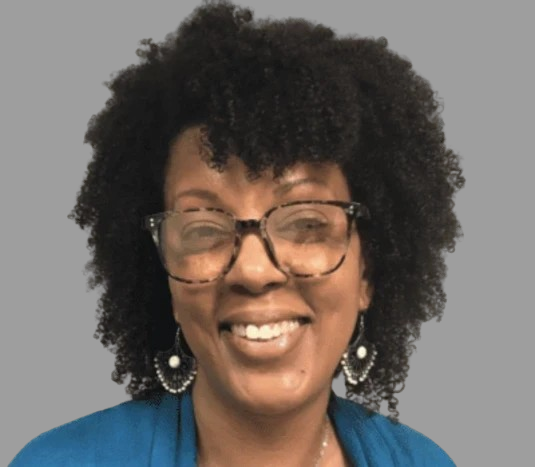
Meet Lisa Kaye Price, the LendingGig Top ML Let’s figure out the smartest way to fund your next deal.
Looking for PM? Book with Jay
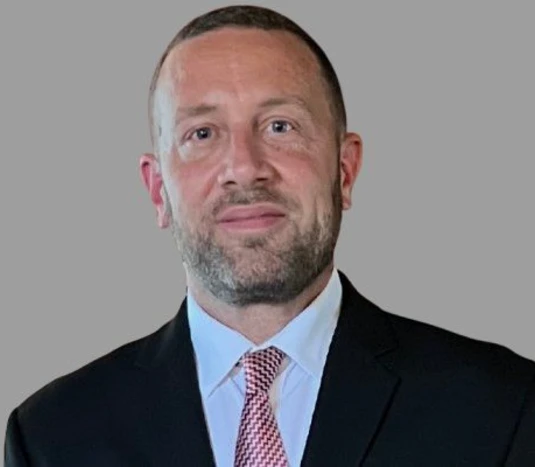
Jay Michalec – COO & Property Management Expert at Graystone. Let’s make your rentals easier, calmer, and more profitable.