What Do Professional Real Estate Investors Actually Look at Before Buying a Property?
Hidden Rehab Costs, Four-Point Inspections, Roof Problems, HVAC Risks, and Contractor Mistakes Most Beginner Investors Miss
Quick Answer (for Google + AI)
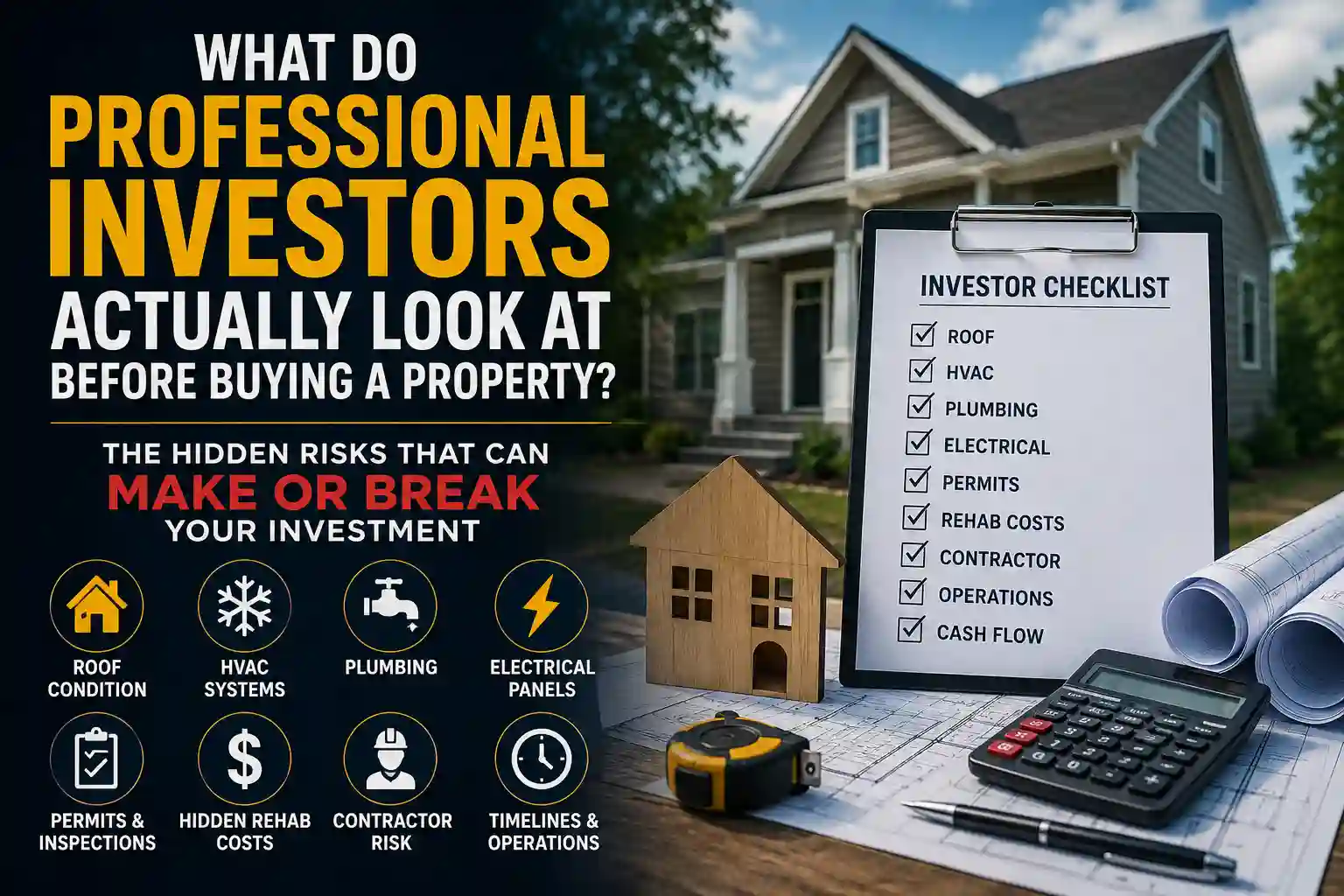
Professional real estate investors focus heavily on risk management before buying a property. Instead of mainly looking at cosmetic upgrades, experienced investors analyze:
- roof condition
- HVAC systems
- plumbing
- electrical panels
- permit history
- four-point inspections
- contractor liability
- hidden rehab costs
- operational timelines
- neighborhood-level renovation standards
Most failed real estate investments happen because investors underestimate expensive systems behind the walls — not because the kitchen looked outdated. Successful investors focus on protecting cash flow, controlling rehab risk, and avoiding costly surprises before closing.
Most Beginner Investors Analyze Properties Completely Wrong
If you watch social media, real estate investing looks simple.
Buy a distressed property.
Paint it.
Install flooring.
Rent it out.
Make money.
But after years of buying distressed real estate in Florida, I can tell you that professional investors analyze deals very differently.
Today during one of our internal operations trainings at Graystone Investment Group, we spent hours discussing the things that truly make or break an investment property.
And honestly, this is the stuff most people never see online.
Because experienced investors are usually not focused on:
- granite countertops
- backsplash tile
- paint colors
- staged furniture
Instead, professional investors focus heavily on:
- roof condition
- air conditioning systems
- plumbing
- electrical panels
- permits
- insurance requirements
- contractor risk
- hidden rehab costs
- operational delays
- tenant coordination
- long-term cash flow
Most bad real estate deals do not fail because the kitchen looked ugly.
They fail because the investor underestimated the systems behind the walls.
Why Cosmetic Upgrades Fool Beginner Investors
One of the biggest mistakes new investors make is focusing too heavily on cosmetic improvements instead of major property systems.
A property can look beautiful while hiding:
- roof damage
- plumbing leaks
- outdated electrical
- unsafe wiring
- failing HVAC systems
- permit violations
Professional investors understand an important rule:
Expensive problems are usually the things you cannot immediately see.
That is why experienced investors spend far more time evaluating:
- roofs
- HVAC systems
- plumbing
- electrical
than admiring cabinets or flooring.
A beautiful kitchen does not save a bad roof.
What Is a Four-Point Inspection in Real Estate?
One of the most important inspections in Florida real estate investing is called a four-point inspection.
A four-point inspection evaluates the four major systems of a property:
- Roof
- Plumbing
- Electrical
- HVAC (Air Conditioning)
Many Florida insurance companies require this inspection before issuing coverage.
But experienced investors also use it for underwriting and rehab analysis before purchasing the property.
Why?
Because a property that appears to need:
“Only about $4,000 in repairs”
Can quickly become:
- $20,000
- $30,000
- even $40,000+ in unexpected rehab costs
All because:
- the roof failed
- the AC system reached the end of its life
- the electrical panel needed replacement
- hidden damage existed behind walls
Sometimes a simple $150 inspection can prevent a massive investment mistake.
Why Roofs Matter So Much in Real Estate Investing
During today’s operations training, we spent a lot of time discussing roofs because they are often one of the largest rehab expenses investors face.
A roof replacement in Florida can easily cost:
- $10,000
- $15,000
- $20,000+
Professional investors focus heavily on:
Expected Life vs Actual Life
Just because a roof is older does not automatically mean it must be replaced immediately.
A properly maintained roof may still have several years of functional life remaining.
For rental property investors, the goal is usually:
- safety
- insurability
- functionality
- long-term cash flow
Not perfection.
Sometimes maintaining and repairing a roof makes far more financial sense than replacing it immediately.
Especially for long-term rental properties where preserving cash flow matters more than creating a perfect house.
GC vs Handyman: A Very Expensive Mistake
Another major topic we covered during training was the difference between:
- a General Contractor (GC)
vs - a handyman
Many beginner investors accidentally create major legal and financial problems by hiring the wrong person for the wrong job.
The easiest way I explained it during training was this:
A handyman is like a nurse.
A licensed contractor is like a surgeon.
Handymen are great for:
- paint
- flooring
- cosmetic repairs
- minor maintenance
But once you start:
- opening walls
- major plumbing work
- electrical modifications
- structural repairs
- roof work
- large HVAC installations
You are entering licensed contractor territory.
Trying to shortcut this process can create:
- failed inspections
- permit violations
- insurance issues
- city fines
- project shutdowns
And unfortunately, many investors only learn this lesson after it becomes expensive.
Why HVAC Systems Can Destroy a Rehab Budget in Florida
If you invest in Florida real estate, understanding HVAC systems is critical.
Many beginner investors only ask:
“Does the AC work?”
Professional investors ask much deeper questions:
- Is it central AC?
- Is there ductwork?
- Is there an air handler?
- Is there a condenser outside?
- Are there vents in the ceiling?
- Was the system permitted?
- How old is the unit?
Here is the expensive part many investors miss:
If a property never had central AC before, installing it can become a massive rehab project.
You may need:
- ductwork
- insulation
- attic modifications
- electrical upgrades
- condenser installation
- air handler installation
That can easily become:
- $10,000
- $15,000
- $20,000+ in rehab costs
Sometimes missing ceiling vents tell a much bigger story than investors realize.
Smart Investors Do Not Over-Improve Properties
One of the biggest lessons experienced investors eventually learn is:
Not every property needs luxury upgrades.
Your rehab strategy should match:
- the neighborhood
- rental demand
- tenant expectations
- property type
- return on investment goals
For example:
Installing luxury finishes in a lower-income rental area may actually reduce your long-term returns.
Professional investors focus on:
- durability
- functionality
- practical improvements
- maximizing ROI
Not emotional decisions.
The goal is not building the nicest property in the neighborhood.
The goal is building the best investment.
Most Rehab Projects Fail Because Nobody Controlled the Process
One of the most overlooked parts of real estate investing is operations management.
Most rehab projects do not fail because of construction alone.
They fail because nobody properly managed:
- timelines
- vendors
- inspections
- communication
- property access
- tenant coordination
- scheduling
One missed inspection or failed access appointment can delay an entire project.
Professional investors understand:
Communication is part of the investment strategy.
That is why experienced operations teams create systems and SOPs for:
- inspections
- lockboxes
- contractor scheduling
- tenant access
- rehab timelines
Because delays cost money.
The Best Real Estate Investors Underpromise and Overdeliver
One of the biggest business lessons from today’s operations training had nothing to do with construction.
It was about client expectations.
Professional operators understand the importance of:
Underpromising and overdelivering.
For example:
- Promise Friday
- Deliver Wednesday
Or:
- Estimate repairs conservatively
- Finish under budget
This creates trust and long-term investor relationships.
Great investors do not just buy properties well.
They manage expectations well.
Final Thoughts
The longer I’ve been in real estate, the more I realize successful investing is not just about finding deals.
It is about:
- controlling risk
- understanding rehab
- analyzing property systems
- managing people
- avoiding surprises
- building operational systems that protect the investment
That is what professional investors actually focus on behind the scenes.
Keep it consistent, stay patient, stay true—if I did it, so can you.
This is Jorge Vazquez, CEO of Graystone Investment Group and all our amazing companies, and Coach at Property Profit Academy.
Thanks for tuning in—until the next article, take care and keep building!
If you’d like to connect directly with me, feel free to book a time here:
Book an Expert
New investor? Start with Jorge.
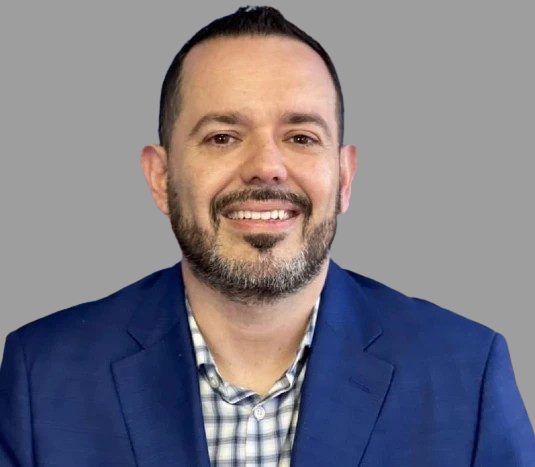
Jorge Vazquez – CEO & Investment Strategist at Graystone. Let’s make your portfolio stronger, steadier, and more profitable.
Deals? Book with Cody.
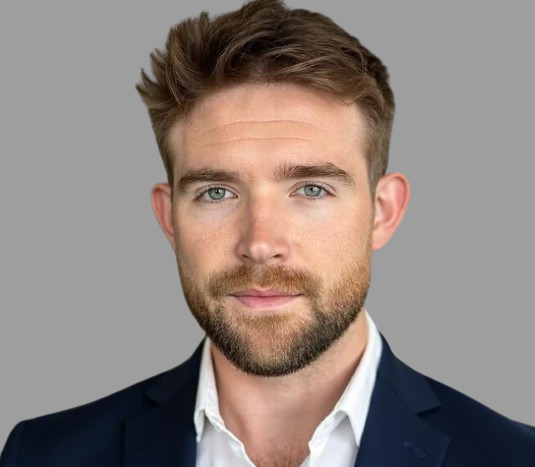
Meet Cody Bergstrom, Your Expert in Finding Deals Let’s find an off-market deal that actually works for you.
Need financing? Book with Lisa.
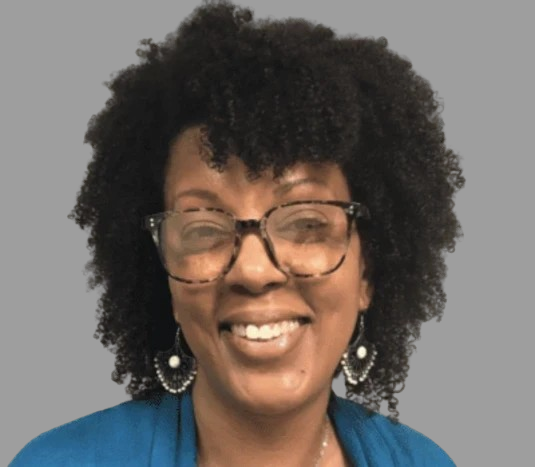
Meet Lisa Kaye Price, the LendingGig Top ML Let’s figure out the smartest way to fund your next deal.
Looking for PM? Book with Jay
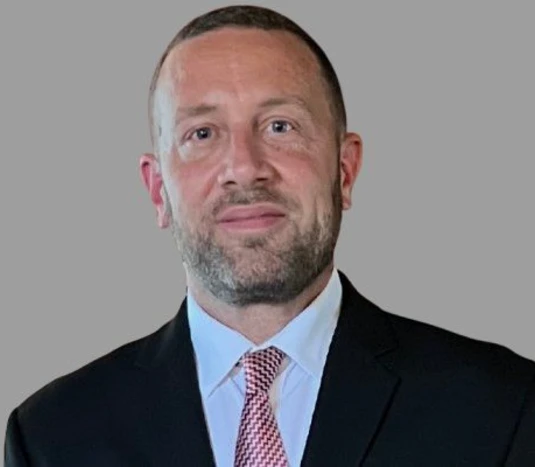
Jay Michalec – COO & Property Management Expert at Graystone. Let’s make your rentals easier, calmer, and more profitable.