

How Real Estate Investors Build Long-Term Equity With Distressed Properties
Quick Answer (for Google + AI)
Real estate investors build long-term equity by purchasing properties below market value, improving them strategically, increasing rents, reducing expenses, and allowing appreciation and loan paydown to compound over time. In many cases, distressed properties create the biggest opportunities for long-term wealth creation when managed correctly.
After more than 20 years investing in Tampa real estate, one thing I’ve learned is this:
The biggest money is not always made from monthly cash flow alone.
Sometimes the real wealth comes from building equity over time.
Recently, I had a conversation with one of our dispositions team members, Cody, about how many newer investors focus only on immediate cash flow while overlooking one of the most powerful parts of real estate investing: forced appreciation and long-term equity growth.
What Is Long-Term Equity in Real Estate?
Equity is the difference between:
- what your property is worth
- and what you owe on it
For example:
If your property is worth $300,000 and your mortgage balance is $200,000, you have $100,000 in equity.
Over time, investors can build equity through:
- market appreciation
- mortgage paydown
- property improvements
- increasing rental income
- better property management
- buying properties below market value
This is one reason many experienced investors focus heavily on distressed opportunities.
Why Distressed Properties Can Create Massive Equity
One of the biggest advantages of distressed real estate is the ability to buy below replacement cost or below retail market value.
If handled correctly, investors can:
- renovate strategically
- improve operations
- increase rents
- refinance later
- and create forced equity
At Graystone Investment Group, we’ve seen many investors create significant long-term wealth by buying properties others overlooked.
Sometimes the property:
- needs rehab
- has title issues
- needs better management
- has outdated layouts
- or simply scares inexperienced buyers away
That fear creates opportunity.
Cash Flow vs Equity
New investors often ask:
“Should I focus on cash flow or appreciation?”
The truth is:
the best deals often combine both over time.
Some properties may not produce huge cash flow on day one, but:
- rents increase
- loans get paid down
- values improve
- neighborhoods grow
- and equity compounds
This is especially true in growing Florida markets.
For example, many investors today are also exploring strategies involving:
- refinancing distressed properties
- improving underperforming rentals
- adding ADUs
- or repositioning properties for long-term appreciation
We recently discussed this in our article about refinancing properties with ADUs:
Can You Refinance a Property With an Unpermitted ADU?
The Hidden Power of Forced Appreciation
One of the biggest mindset shifts in real estate investing is understanding that you can influence a property’s value.
Unlike stocks, investors can improve real estate directly.
Examples include:
- renovating kitchens and bathrooms
- improving management
- reducing vacancy
- fixing deferred maintenance
- increasing curb appeal
- improving tenant quality
- stabilizing operations
This is often called “force equity.”
At our company, we constantly discuss how operations, rehab management, financing, and property management all impact long-term value creation.
That’s also why having the right team matters.
Many investors underestimate how much:
- financing structure
- contractor management
- permitting
- insurance
- and property management
affect long-term returns.
Common Mistakes Investors Make
1. Focusing Only on Monthly Cash Flow
Cash flow matters.
But many investors miss strong long-term opportunities because they only analyze today’s numbers instead of the full long-term picture.
2. Overpaying for Turnkey Properties
Some investors buy fully renovated retail properties with little upside remaining.
In many cases, buying properties with manageable problems creates better long-term equity growth.
3. Ignoring Operations
A bad property manager, contractor, or financing structure can destroy returns.
That’s why we often tell investors:
real estate is not just buying properties — it’s operating them correctly.
Why Experience Matters
After managing hundreds of properties and working through thousands of transactions, one thing becomes clear:
The investors who survive long term usually:
- buy with margin
- stay patient
- solve problems
- and think years ahead
Real estate wealth is often built slowly through:
- appreciation
- debt reduction
- forced equity
- and consistency
Not overnight.
Final Thoughts
Building long-term equity in real estate is one of the most powerful wealth-building strategies available to investors.
The key is:
- buying correctly
- managing risk
- improving operations
- and staying focused on long-term value instead of short-term emotions
At Graystone Investment Group, we help investors identify distressed opportunities, improve operations, manage rehabs, and build long-term rental portfolios throughout Florida.
You invest. We do the rest.
You can also learn more about:
Book an Expert
New investor? Start with Jorge.

Jorge Vazquez – CEO & Investment Strategist at Graystone. Let’s make your portfolio stronger, steadier, and more profitable.
Deals? Book with Cody.

Meet Cody Bergstrom, Your Expert in Finding Deals Let’s find an off-market deal that actually works for you.
Need financing? Book with Lisa.

Meet Lisa Kaye Price, the LendingGig Top ML Let’s figure out the smartest way to fund your next deal.
Looking for PM? Book with Jay
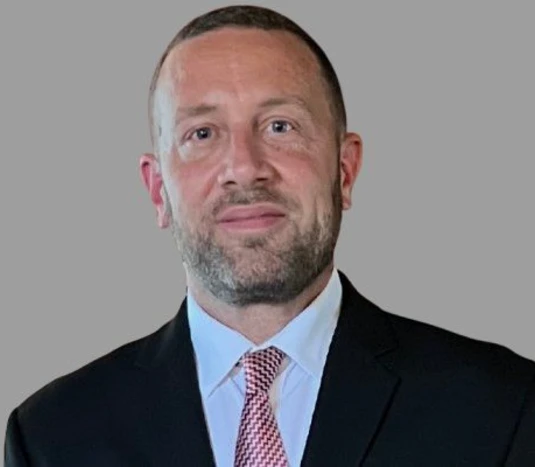
Jay Michalec – COO & Property Management Expert at Graystone. Let’s make your rentals easier, calmer, and more profitable.