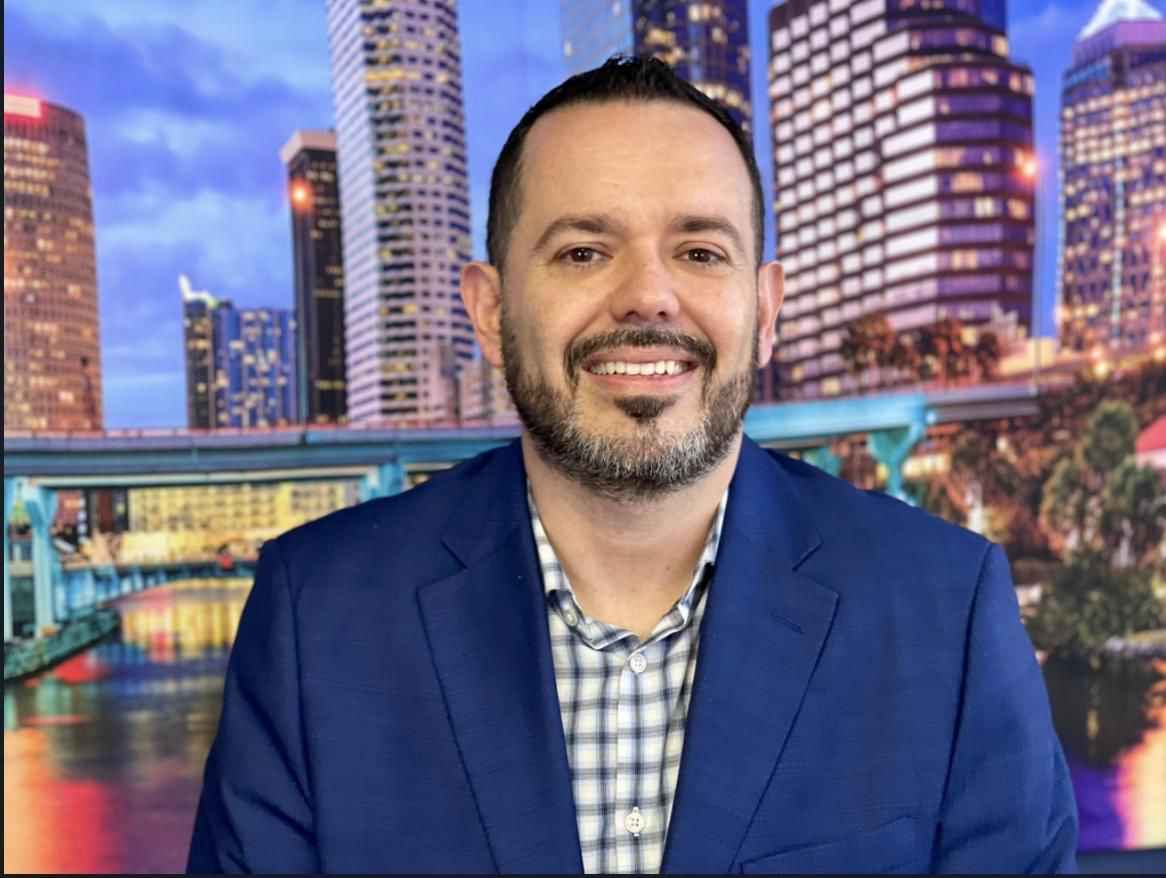

The Day I Learned About Closing Costs and Prepaids the Hard Way (Investor Edition)
I’ll never forget the first time I closed on an investment property in Tampa. I’d run my numbers a hundred times—down payment, renovation budget, expected cash flow. I thought I had every dollar accounted for.
Then the settlement statement slid across the table and two words jumped out: closing costs and prepaids.
Even after years in real estate, I hesitated. My mind went blank for a second. Were these extra investor fees? Did I miss something that would eat into my returns? The closer gave me a reassuring nod, but I made a mental note right then: I would never let another investor—or myself—walk into closing without knowing exactly what those terms meant.
Why This Matters to Investors
When you’re buying a property to live in, surprise fees are annoying. When you’re buying an investment property, surprise fees can wreck your projected returns. Understanding closing costs and prepaids is the difference between a solid cap rate and a deal that barely breaks even.
-
Closing costs: One-time fees to legally close the deal and fund the loan.
-
Prepaids: Advance payments for expenses you’ll owe as an owner—insurance, property taxes, and interest.
Both show up on the same closing disclosure, but they hit your bottom line differently. And if you don’t budget for them, that perfect BRRRR or flip suddenly looks less profitable.
Closing Costs: The Price of Locking in Your Investment
Think of closing costs as the ticket to entry. They pay everyone who makes the transaction legal and your financing possible:
-
Loan origination fee
-
Appraisal fee
-
Title search and title insurance
-
Recording fees
-
Underwriting fee
-
Transfer taxes
-
Credit report fee
These typically run 2–5% of the purchase price. On a $300,000 duplex, that’s $6,000 to $15,000.
Smart investors negotiate. In a buyer’s market, you might get the seller to cover part of these costs, improving your cash-on-cash return from day one.
Prepaids: Tomorrow’s Expenses, Paid Upfront
Prepaids aren’t fees for buying the property—they’re upfront payments for upcoming bills:
-
Hazard/homeowner’s insurance
-
Property taxes
-
Private mortgage insurance (PMI) if required
-
Mortgage interest from closing to the end of that month
-
Any special tax assessments
Your lender collects these funds and holds them in escrow so your taxes and insurance are paid on schedule. For investors, these dollars matter because they affect your first-year cash flow and reserves.
The Myth of the “Skipped” First Payment
Investors often think they can skip a month before the first mortgage payment. Not exactly. Mortgage payments are paid in arrears, meaning you pay for the previous month.
Close on June 16 and your first payment is due August 1, but you’ll pay interest for June 16–30 at closing. No free ride—just prepaid interest.
Want to reduce that upfront interest? Close as close to month’s end as possible. Fewer days to prepay means more money left for your next investment.
How I Coach Investors Now
After that wake-up call, I built a checklist for every client—and I follow it myself:
-
Shop multiple lenders to compare origination and underwriting fees.
-
Negotiate seller credits to offset closing costs and improve ROI.
-
Close near month’s end to lower prepaid interest.
-
Review the Loan Estimate early and match it to the final disclosure.
-
Increase the down payment if you can to eliminate PMI and shrink prepaids.
These steps protect profit margins and keep cash flow projections realistic.
Real Numbers Example
For a $300,000 investment property:
-
Down payment (20%): $60,000
-
Closing costs (3%): $9,000
-
Prepaids: around $3,000
You’d need about $72,000 ready at closing. Missing that figure can throw off your renovation schedule or force you to dip into reserves meant for repairs.
Questions I Hear from Investors
Can I roll closing costs into the loan?
Sometimes. You’ll pay interest on them, so weigh that against your target returns.
Are prepaids refundable?
If you refinance or sell, any leftover escrow funds come back to you. Otherwise, they’re locked for taxes and insurance.
Does every market charge the same?
No. Fees vary by location, lender, and how well you negotiate.
The Investor Takeaway
That first investment closing could have been a disaster if I hadn’t had extra reserves. Now, whether I’m flipping, BRRRRing, or holding long-term rentals, I always factor in both closing costs and prepaids before making an offer.
It’s simple math: if you skip these numbers, your projected cash flow and returns will never match reality.
Buying a property to live in is one thing. Buying for profit is a whole different ballgame. Learn from my early mistake: treat closing costs as the cost of admission and prepaids as the first step in protecting your investment. Master those numbers and you’ll protect your bottom line and keep your portfolio growing.
Keep it consistent, stay patient, stay true—if I did it, so can you.
This is Jorge Vazquez, CEO of Graystone Investment Group and all our amazing companies, and Coach at Property Profit Academy.
Thanks for tuning in—until the next article, take care and keep building!
If you’d like to connect directly with me, feel free to book a time here:
https://graystoneig.com/ceo
Book an Expert
New investor? Start with Jorge.
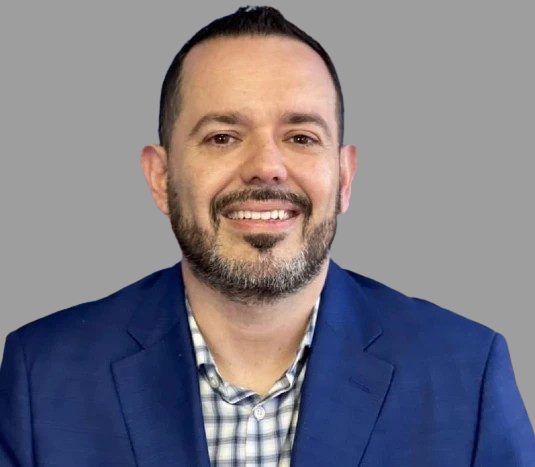
Jorge Vazquez – CEO & Investment Strategist at Graystone. Let’s make your portfolio stronger, steadier, and more profitable.
Deals? Book with Cody.
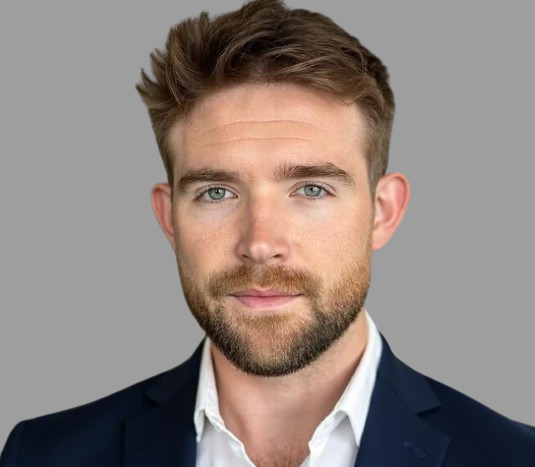
Meet Cody Bergstrom, Your Expert in Finding Deals Let’s find an off-market deal that actually works for you.
Need financing? Book with Lisa.

Meet Lisa Kaye Price, the LendingGig Top ML Let’s figure out the smartest way to fund your next deal.
Looking for PM? Book with Jay
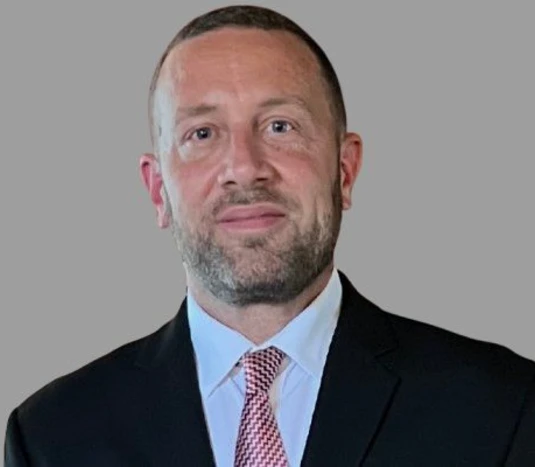
Jay Michalec – COO & Property Management Expert at Graystone. Let’s make your rentals easier, calmer, and more profitable.