
The Biggest Mistake to Avoid as a New Real Estate Investor
When people ask me what the biggest mistake is in real estate investing, I don’t hesitate. It’s not buying the wrong property. It’s not dealing with a bad tenant. It’s not even overpaying. The biggest mistake? Chasing only money.
Money is important—don’t get me wrong. But if that’s your only reason for investing, you won’t last. Real estate is like life: the days you don’t feel like doing it are the days passion carries you through.
Why Passion Matters More Than Money
Let me take you back for a second. As a kid, I loved playing Monopoly. Not because I always won, but because I loved stacking properties and collecting rent. That game was my first “real estate class,” even though I didn’t know it back then. Fast-forward to today, and it feels the same. Every rental property I add is like putting another house on the board.
That’s why I tell new investors: if you don’t enjoy it, if it doesn’t light you up, you’re going to burn out fast. The leaks, the late-night calls, the contractors who don’t show up—they’ll crush you if money is your only fuel. Passion makes those headaches feel like puzzles.
My First Lesson in Consistency
When I started, I had no pile of cash waiting for me. What I had was creativity and the drive to keep going. I remember sleepless nights worrying if the deal would work out. But I stayed consistent. I showed up, I learned, I kept buying, even when it felt like a struggle.
Consistency has been my best friend. I’ve seen investors who jumped in, got burned once, and walked away forever. Meanwhile, the ones who pushed through are now sitting on portfolios that bring freedom and cash flow.
Seven Real Estate Mistakes Beginners Must Avoid
Besides chasing money alone, here are the seven biggest mistakes I see beginners make—and how you can avoid them.
1. Buying Without Reserves
Too many new investors put every last penny into the down payment and have nothing left when the AC blows, the roof leaks, or a tenant stops paying. Real estate always comes with surprises. If you don’t have a reserve fund, that surprise will feel like a knockout punch.
Tip: Always keep a cushion. Think of it like having spare tires—you may not need them today, but when you do, you’ll be glad they’re there.
2. Falling in Love With a Property
It’s easy to walk into a house, see the shiny countertops or the nice backyard, and fall head over heels. But here’s the truth: your dream kitchen won’t pay your mortgage. Numbers do.
Tip: Run the math before you run your mouth. If the rent doesn’t cover the mortgage, taxes, insurance, and reserves, walk away.
3. Underestimating Repairs
One of the costliest mistakes I see is underestimating the rehab. Investors walk into a property, see a little paint and flooring, and think they’re done. Then they discover the electrical is outdated, the plumbing leaks, or the foundation is cracked.
Tip: Don’t just look at what you see—budget for what you can’t see. Always add a buffer on top of your contractor’s estimate.
4. Thinking Cash Flow is the Only Metric
Cash flow is great, but equity is what really builds wealth. I’ve seen investors pass up deals that broke even on cash flow but doubled in value over a few years.
Tip: Look at the whole picture: equity growth, appreciation, tax benefits, and cash flow. Real estate is a long game.
5. Buying in the Wrong Location
I’ve seen beginners jump on cheap houses because they look like a deal. But if the neighborhood is declining, the tenants are unstable, or crime is high, that “cheap” property will drain your time and money.
Tip: Buy in working-class neighborhoods where tenants stay long-term and jobs are steady. A good tenant base is worth more than granite counters.
6. Trying to Self-Manage Everything
Some new investors think they’ll save money by handling tenants, repairs, and midnight calls themselves. They soon realize it’s a second job—and not always a fun one.
Tip: Even if you self-manage, set it up like a business. Use systems, processes, and know when to hand it off to a property manager so you can focus on growing.
7. Quitting Too Soon
This one breaks my heart. I’ve watched new investors quit after their first eviction or big repair bill. They thought it would be easy, and when it wasn’t, they walked away.
Tip: Real estate is like rolling a snowball. It’s hard at first, but once it starts rolling, it grows. Stick with it.
Case Study: The Power of Consistency
I once bought a property that looked like a nightmare. Tenants were behind on rent, the roof leaked, and the grass was waist high. Most people wouldn’t have touched it. But I looked at the numbers: after repairs and stabilization, it would cash flow and build equity.
So I stuck with it. I fixed it up, worked through the tenant issues, and a few years later, it turned into one of my most solid rentals. That property still pays me today.
If I had quit when it got hard, I’d have missed one of the best deals in my portfolio.
A Beginner’s Roadmap
Here’s what I’d tell any new investor to focus on:
-
Start small. Your first deal doesn’t have to be a mansion. Buy something manageable.
-
Buy for the numbers, not the looks. Run the math and trust it.
-
Keep reserves. Problems will come—be ready.
-
Think long term. Equity, appreciation, and consistency matter more than quick cash.
-
Diversify. Mix locations and property types to spread risk.
-
Build a team. Contractors, property managers, lenders—you can’t do it alone.
-
Stay patient. Real estate is a marathon, not a sprint.
A Lesson From a 19-Year-Old Investor
Not long ago I read a story from a 19-year-old grinding harder than most grown adults. He was working 10-hour shifts at a full-time job, doing two hours of real estate follow-up afterward, plus homework for college online. He’s trying to wholesale land, get into flipping, study architecture, and eventually become an architect-developer.
Talk about ambition.
Here’s the problem: he was running himself into the ground. He spent nearly everything he made on marketing. He closed one deal but then nothing for months. He was in the wrong market at first, then switched to a better one, but the follow-up became impossible to manage. On top of that, his day job was draining every ounce of energy.
And I’ll tell you right now—this is one of the biggest mistakes new investors make: trying to do everything at once, at full speed, with no breathing room.
Real estate is not a sprint. It’s a long game. Yes, you need discipline and hustle, and clearly this young guy has both. But you also need pacing, direction, and the ability to focus on one lane at a time.
My Advice
-
Don’t try to master every strategy at once. Pick a lane—acquisitions (finding deals) or dispositions (selling deals)—and get really good at it.
-
Don’t let marketing bury you. If your expenses are eating up all your income, scale back. You don’t need the “perfect plan,” you need a sustainable one.
-
Burnout kills more careers than failure. It’s better to grow slowly and consistently than to crash and burn trying to do it all.
-
Use your age as your biggest advantage. At 19, time is on your side. The next two years of focused learning will set you up for decades of success.
This young investor actually proves a point I’ve been hammering: consistency beats speed. You can’t shortcut real estate by trying to do every strategy at once. Build your foundation, stack your skills, and stay in the game.
Closing Thoughts
The biggest mistake you can make as a new real estate investor is chasing money alone. Passion, patience, and consistency will carry you further than dollar signs ever will. Invest in properties you believe in, prepare for the bumps, and play the long game.
Remember—it’s just like Monopoly. You win by stacking properties, collecting rents, and staying in the game long enough for the board to turn in your favor.
Keep it consistent, stay patient, stay true—if I did it, so can you.
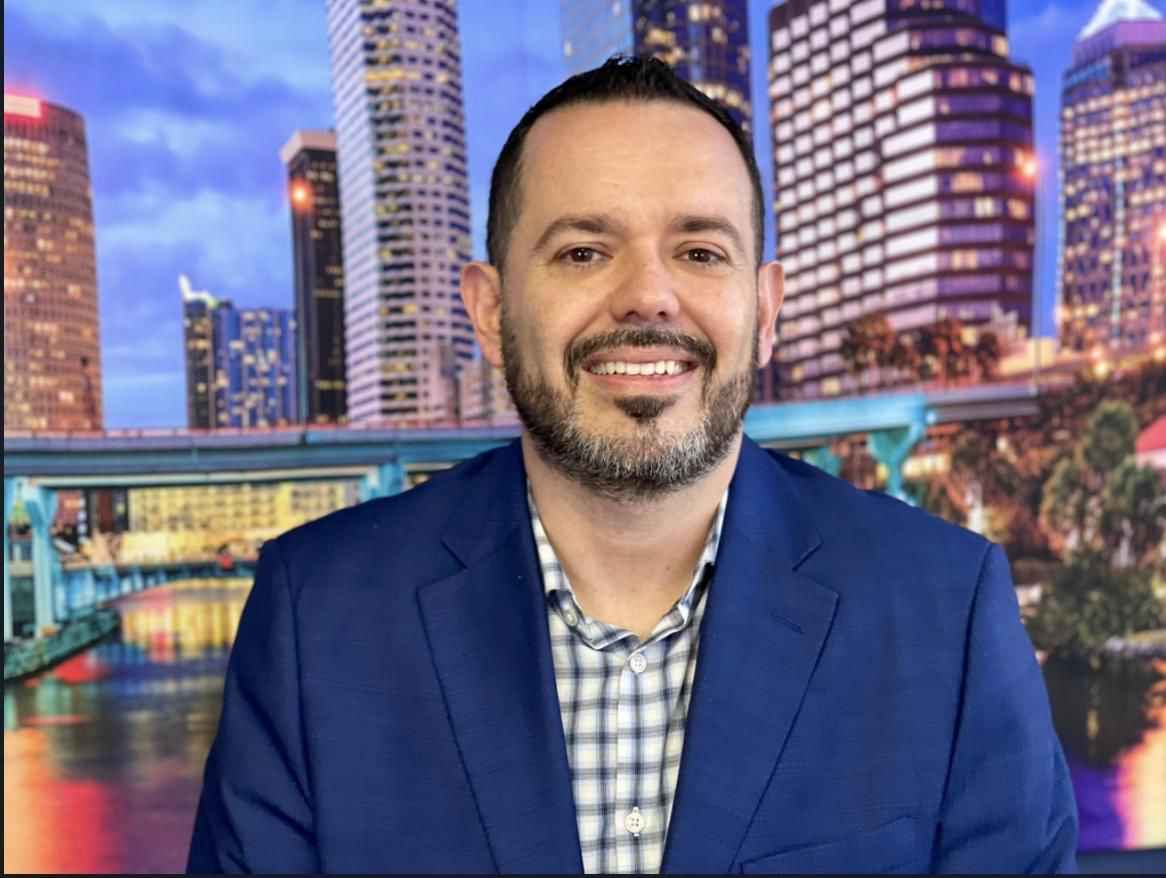
This is Jorge Vazquez, CEO of Graystone Investment Group and all our amazing companies, and Coach at Property Profit Academy. Thanks for tuning in—until the next article, take care and keep building!
👉 If you’d like to connect directly with me, book a time here: https://graystoneig.com/ceo
Book an Expert
New investor? Start with Jorge.

Jorge Vazquez – CEO & Investment Strategist at Graystone. Let’s make your portfolio stronger, steadier, and more profitable.
Deals? Book with Cody.

Meet Cody Bergstrom, Your Expert in Finding Deals Let’s find an off-market deal that actually works for you.
Need financing? Book with Lisa.

Meet Lisa Kaye Price, the LendingGig Top ML Let’s figure out the smartest way to fund your next deal.
Looking for PM? Book with Jay
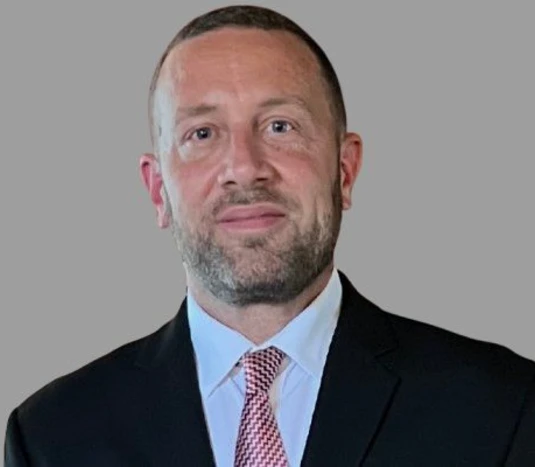
Jay Michalec – COO & Property Management Expert at Graystone. Let’s make your rentals easier, calmer, and more profitable.