My Take On What’s Coming, What’s Real, And What Investors Should Actually Be Paying Attention To
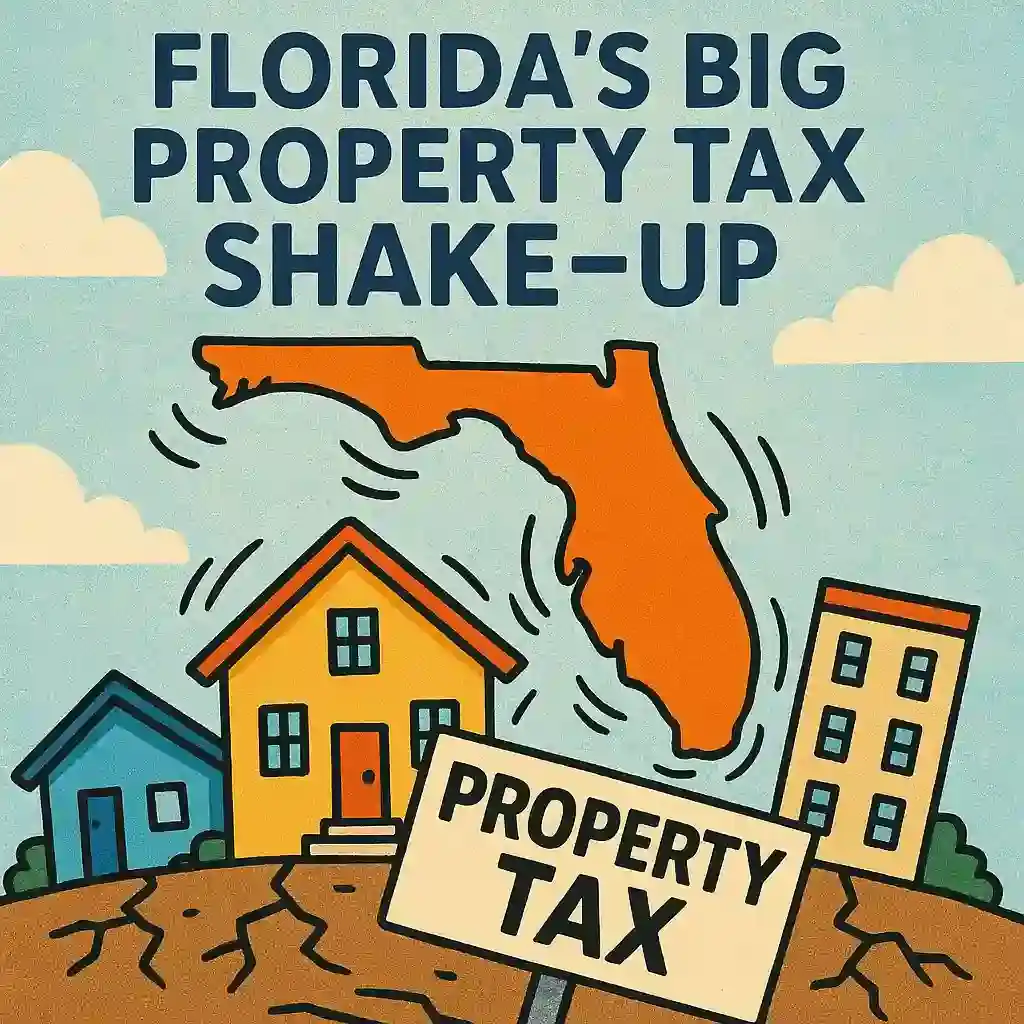
I woke up the other day, turned on the news, and immediately felt like Florida was trying to give every property owner a mini heart attack before breakfast. Reporters were talking about the Florida House taking on a marathon meeting and pushing forward a giant package of tax changes that could reshape how property taxes work in this state.
Seven constitutional amendments. One bill. Everything from wiping out some homestead taxes to tightening the limit on how fast taxable values can rise.
And everyone was arguing, from lawmakers to firefighters to city managers. It felt less like a legislative session and more like Thanksgiving dinner if everyone actually said what they thought.
So let me break it down for you the same way I’d explain it to a friend sitting next to me in the living room. Because Florida might be about to change the tax game in a big way, and investors need to understand what this could mean.
The Setup
Before we get into the politics, let’s talk about why people even care about property taxes in the first place. Real estate in Florida is expensive. Insurance is expensive. Contractors are expensive. The only thing that never seems to go up is patience.
Property taxes matter because they decide how much you keep from your investment. You can have the greatest rental in the world, but if taxes sneak up every year like a ninja, it chips away at your cash flow. And lately, values in Florida have been rising so fast that people feel like their tax bills are sprinting to catch up.
So naturally, lawmakers jumped in with, “Let’s fix this.” And you know how that goes. Fixing something in government is like trying to fix a leaking roof with YouTube instructions. Sometimes it works, sometimes you end up with water in your socks.
What The Florida House Just Did
The Florida House took every big idea about property taxes, threw them in a blender, and hit the big green button.
What came out is a package of seven big proposed changes that could eventually land on your ballot. That means you, me, the neighbor with twelve cats, and the guy next door who still mows the lawn shirtless will all get to vote on it.
Here’s the general idea of what’s included, explained like I’m teaching a 10-year-old:
• Some types of property taxes could disappear
• Some exemptions could expand
• And the state wants to limit how fast your taxable value can rise
Basically, it’s the government saying, “Let’s slow this thing down before people lose their minds.”
Lawmakers said the voters will decide. And honestly, that’s not a bad thing. Because these changes impact every homeowner, every renter, every investor, and every city budget.
But here’s where it gets interesting.
The People Who Showed Up To Complain
Cities, counties, first responders, fire chiefs… everybody came out to say, “Hold up, this could go sideways really fast.”
And I get it. If you cut property taxes without cutting spending, cities don’t magically grow money trees behind the courthouse. They have to pay for police, firefighters, garbage pickup, clean water, road repairs, parks, streetlights, and the guy who shows up when your neighbor’s dog decides to join a rock band at 2am.
So the local leaders said something very simple:
If these tax cuts happen, we won’t have enough money
Which means we’ll have to raise fees, or taxes somewhere else
Which means renters, small businesses, and working families end up shouldering the load
In simple terms, they’re saying this isn’t a free lunch. Someone still pays the bill.
So Who’s Right?
Honestly, both sides have a point.
Lawmakers see a real problem. Floridians are getting hit from every angle right now. Property taxes, insurance hikes, high housing costs. People are feeling squeezed. Investors too.
We all want something that makes taxes more predictable, more stable, and less insane.
But cities also have a point. Their budgets don’t vanish just because voters feel stressed. And if homestead values are capped too tightly, or if entire categories of tax disappear, local governments have to find money somewhere else.
Let me explain this using a simple example I’d give a teenager.
Imagine you run a lemonade stand. You make money selling lemonade. That’s it. Even if lemons get more expensive, you still have to run the stand.
One day, your parents say you’re no longer allowed to charge more than one dollar per cup. That sounds nice to customers. People cheer.
But now you don’t have enough money to buy lemons, cups, or the little sign that keeps falling over.
So what do you do? You start charging for ice. And the napkins. And to sit in the shade. Suddenly lemonade costs the same as before, just in a different way.
That’s exactly what cities are worried about.
As An Investor, Here’s What I See Coming
I look at everything through the investor lens. And I’ve been through this movie before. Twenty years in the business will do that to you.
Here’s what usually happens when a government tries to cap taxes tightly:
-
Tax bills slow down
-
Cities panic because revenue drops
-
They create new fees
-
And those fees hit landlords and renters
The rent doesn’t go down. The cost just shifts. That’s the part no one likes talking about, but it always happens.
But at the same time, I love anything that helps an investor forecast more accurately. If I know taxable values can only rise by a certain number every year, I can plan my cash flow better. I can structure BRRRR deals cleaner. I can lock in numbers and not feel like a massive tax hike is hiding behind the next bush.
There’s a balance somewhere between stability and collapse. The question is whether Florida finds it.
The Big Picture Nobody’s Talking About
There’s a bigger story here that reporters aren’t touching.
Florida is growing like crazy. People are moving here faster than the state can build houses, roads, or Taco Bells. With that kind of growth, city costs go up. So local budgets get tighter, not looser.
So on one side you’ve got voters saying, “We can’t afford taxes to keep rising.”
And on the other side you’ve got cities saying, “We can’t afford to cut them.”
This is why the debate exploded so passionately. It’s not just numbers on paper. It’s real stress on both sides.
My Honest Prediction
This is just my take, based on decades of watching how Florida politics plays with real estate.
Something from this package will pass
But not all of it
And the final version will be softer than people think
Lawmakers want to show voters they’re tackling property taxes. But they also know cities will fall apart if they cut too deeply. So expect a watered-down version that gives a little relief without blowing up local budgets.
In other words, the government will do just enough to say, “We did something,” but not enough to cause firefighters to storm the Capitol.
What It Means For Investors Right Now
No matter what happens with this bill, investors should prepare for three things.
First, property taxes are not going away
You can change formulas all day long but taxes don’t disappear. They just get reshuffled. What matters is understanding the landscape and picking deals with realistic numbers.
Second, get ahead of changes
If tighter caps are coming, this is a great time to buy. Why? Because your long term holding costs become more predictable. Investors love stability. Markets love stability. And lenders love borrowers who aren’t blindfolded.
Third, rents will respond
If cities compensate for lost revenue by adding new fees or assessments, those costs eventually hit the rental market. Not on day one, but over time. Renters will feel it. Landlords will feel it. The market adjusts.
In other words, this isn’t a “win” or “lose” moment. It’s just a shift. And real estate always shifts.
My Personal Advice As Someone Who Lives This Stuff
Don’t freeze. Don’t overreact. Don’t let the news hype scare you.
I’ve been in Florida since 1993 watching this state reinvent itself over and over. Every time there’s a public policy fight, investors run for the hills. Meanwhile the quiet ones buy property, adjust budgets, and stay in the game.
This won’t kill real estate.
It won’t destroy investing.
But it will reward anyone who pays attention.
And that’s really what separates professional investors from everyone else. We don’t just buy properties. We read the temperature of the room. We see what’s coming. We adjust before everyone else wakes up.
This is one of those moments.
Final Thoughts
The Florida House just kicked off a massive conversation about property taxes. Nothing is final yet. Nothing changes tomorrow. But this is a signal of where the state is heading.
More voter control.
More caps.
More pressure on cities.
And more responsibility on investors to understand how this game works.
Real estate has always been a long game. This is just another chapter.
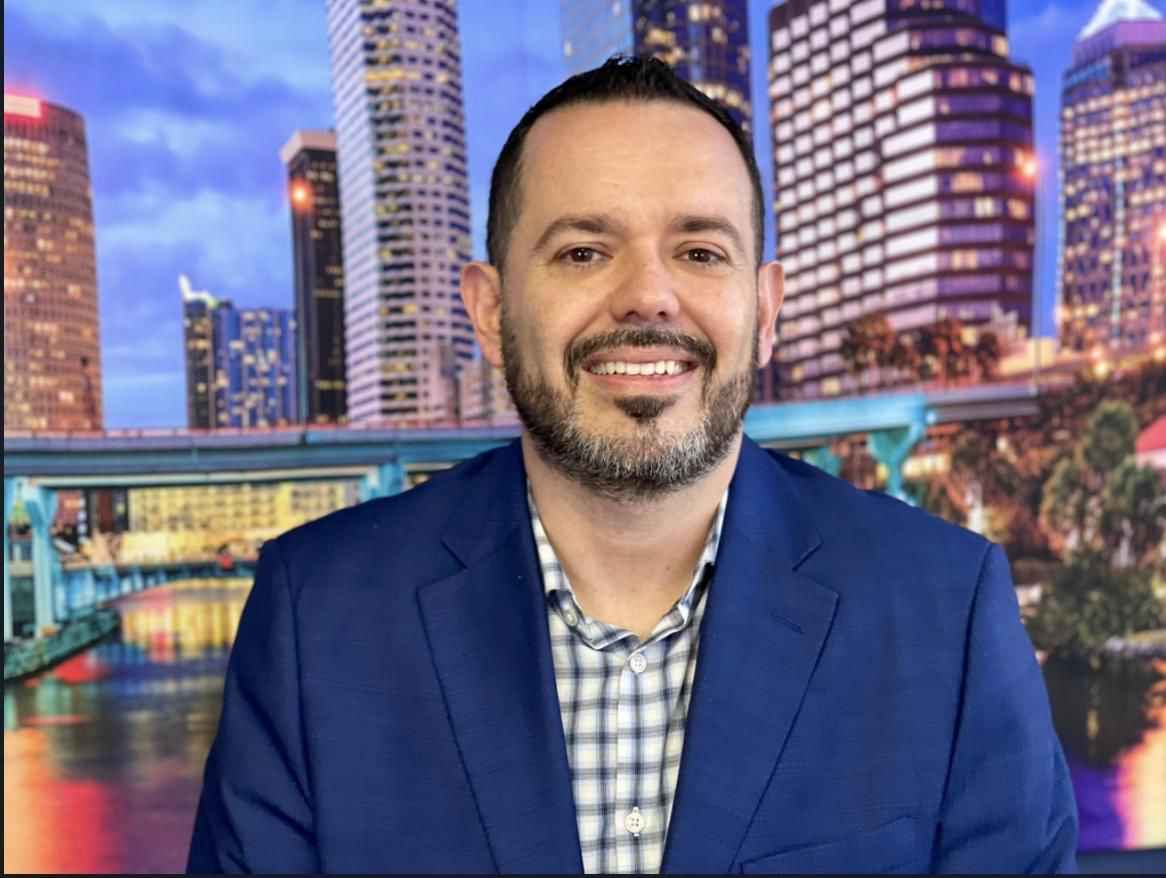
Keep it consistent, stay patient, stay true. If I did it, so can you. This is Jorge Vazquez, CEO of Graystone Investment Group and all our amazing companies, and Coach at Property Profit Academy. Thanks for tuning in. Until the next article, take care and keep building.
If you’d like to connect directly with me, feel free to book a time here: https://graystoneig.com/ceo
Book an Expert
New investor? Start with Jorge.
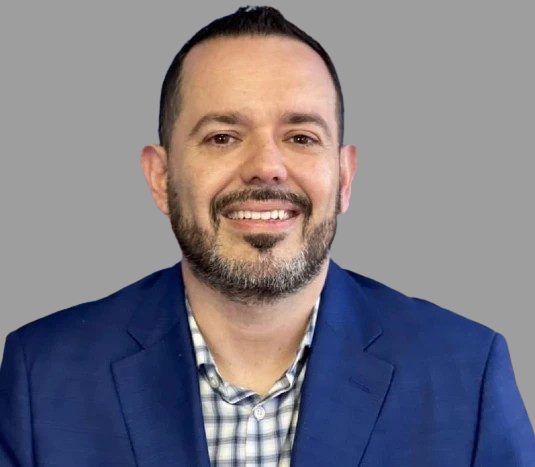
Jorge Vazquez – CEO & Investment Strategist at Graystone. Let’s make your portfolio stronger, steadier, and more profitable.
Deals? Book with Cody.

Meet Cody Bergstrom, Your Expert in Finding Deals Let’s find an off-market deal that actually works for you.
Need financing? Book with Lisa.
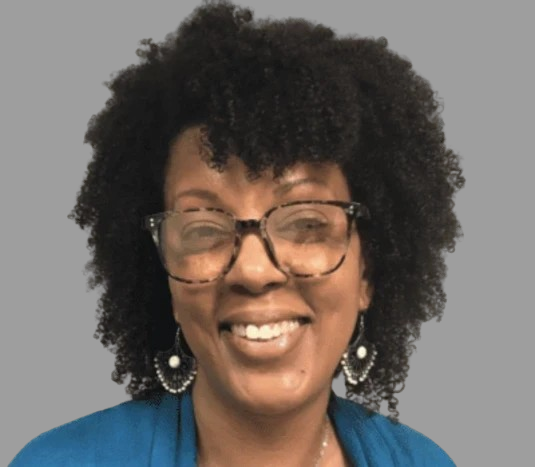
Meet Lisa Kaye Price, the LendingGig Top ML Let’s figure out the smartest way to fund your next deal.
Looking for PM? Book with Jay
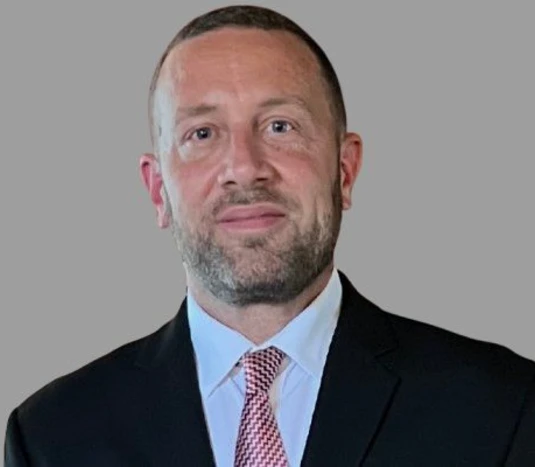
Jay Michalec – COO & Property Management Expert at Graystone. Let’s make your rentals easier, calmer, and more profitable.