
The Biggest Mistake New Real Estate Investors Make (And Why It Destroys Them)
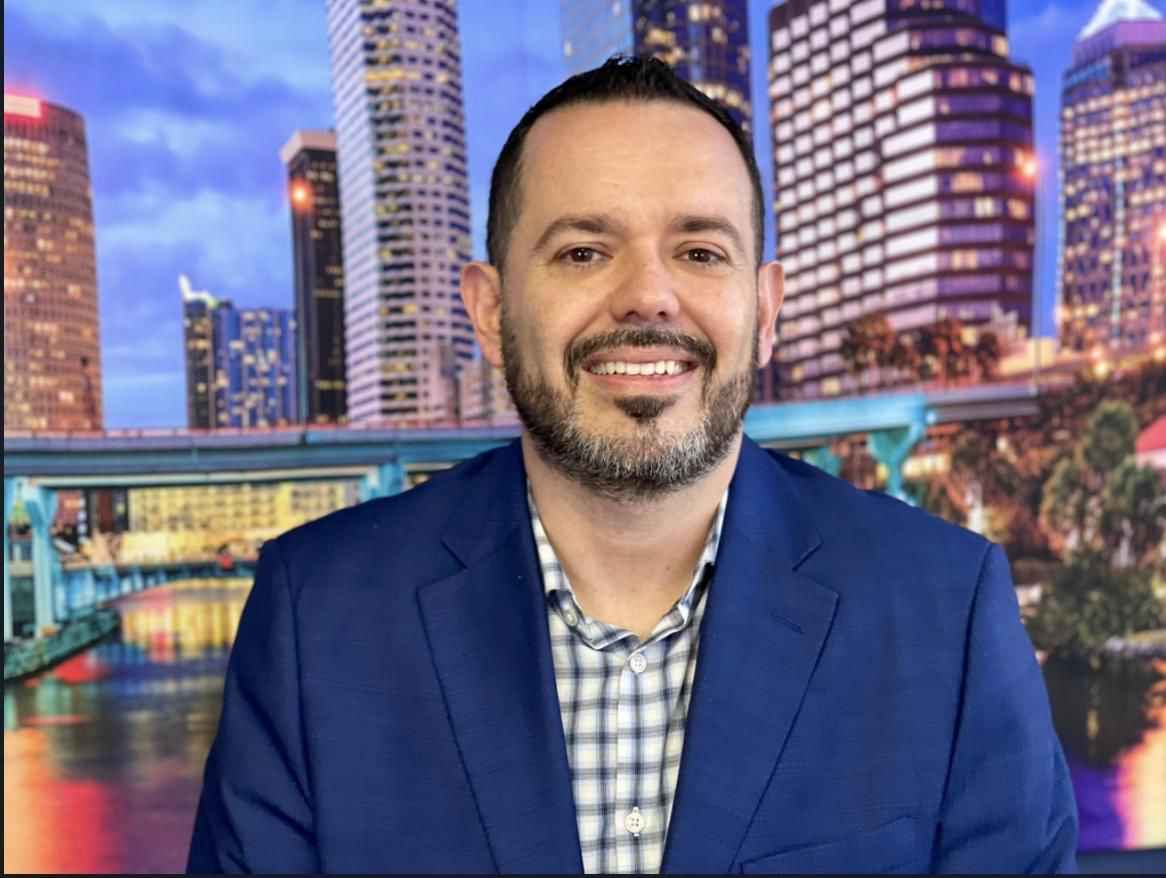
By Jorge Vazquez
Let me save you about ten years of pain.
The biggest mistake new real estate investors make is not picking the wrong neighborhood.
It’s not choosing the wrong lender.
It’s not even overpaying.
The biggest mistake is this:
They chase excitement instead of durability.
And I know this because I did it.
The Seduction Phase
When someone first gets into real estate, everything feels exciting.
You watch YouTube.
You listen to podcasts.
You see someone flip a house and make $80,000.
You hear about Airbnb cash flow.
You see appreciation charts going up.
Your brain starts doing math that isn’t real.
You assume:
-
Rents will always go up
-
Refinancing will always be available
-
Buyers will always be there
-
Banks will always lend
That’s what I believed before 2007.
Then the music stopped.
My $800,000 Lesson
Before the crash, I had around $300,000 in liquidity. I bought an $800,000 property in Tampa. I picked up another building downtown with $5,000 per month in liabilities.
Then December 23, 2007 happened.
The last investor loan program shut down.
No more liquidity.
No more easy refinancing.
No more bailout.
The market didn’t “cool.”
It collapsed.
And I collapsed with it.
I lost properties.
I lost my marriage.
I lost credibility.
That period forced me to confront something uncomfortable:
I wasn’t conservative.
I was optimistic.
Optimism is not a strategy.
Mistake #1: Over-Leveraging
New investors stretch.
They buy at 90 percent leverage.
They assume appreciation will save them.
They depend on refinancing.
Here’s the truth:
Debt works until it doesn’t.
When liquidity disappears, leverage becomes a weapon pointed at you.
Today, I cap leverage strategically. I stress test deals. I ask:
What happens if rents drop?
What happens if rates go up?
What happens if vacancy stretches?
If the deal dies under pressure, I don’t buy it.
Mistake #2: Confusing Revenue With Profit
I see this constantly.
Someone says:
“My property makes $2,500 per month.”
Okay.
After:
-
Insurance
-
Taxes
-
Maintenance
-
Vacancy
-
Management
-
CapEx
-
Debt service
What does it actually make?
New investors calculate hope.
Experienced investors calculate reality.
There’s a difference.
Mistake #3: Chasing Cash Flow Without a Plan
This one is big.
A lot of new investors just want “cash flow.”
But cash flow without equity growth is slow.
When I rebuilt after the crash, I focused on equity first. I bought strategically. I forced appreciation. I refinanced. I redeployed capital.
Velocity matters.
If you don’t understand velocity, you stay small forever.
Build equity first. Then let cash flow carry you.
Mistake #4: Ignoring Property Management
This one surprises people.
New investors want to self-manage everything.
They think:
“I’ll save 10 percent.”
What they don’t calculate:
-
Late-night calls
-
Bad tenant screening
-
Improper notices
-
Fair housing mistakes
-
Deferred maintenance
A bad tenant costs more than a management fee.
When I built Graystone, I made property management a core pillar for one reason:
Recurring income stabilizes the company during downturns.
If your entire model depends on buying and selling, you’re exposed.
Mistake #5: Believing the Market Only Goes Up
This is the most dangerous mindset of all.
I lived through 2007.
Liquidity vanished in one week.
Investors who thought they were geniuses realized they were just in a rising tide.
Cycles are real.
You must build as if winter is coming.
Because eventually, it does.
What I Do Differently Today
After losing everything and rebuilding, here’s what changed:
I underwrite conservatively.
I cap leverage.
I build recurring revenue.
I operate only in markets I can physically monitor.
I stress test every deal.
I prioritize reputation over speed.
And most importantly:
I show up daily.
Consistency saved me.
Not brilliance.
Consistency.
The Psychological Trap
Here’s something nobody talks about.
New investors want to move fast because they feel behind.
They see someone else with 20 properties.
They compare.
They rush.
But speed without structure is how people blow up.
Real estate rewards patience.
If you can survive long enough, you win by default.
The Truth About 2026
Today’s market feels very different from 2007.
Inventory is adjusting.
Rates are higher.
Opportunity exists.
But discipline still matters.
If you’re buying today assuming rates will bail you out next year, you’re gambling.
If you’re buying with margins and structure, you’re investing.
Big difference.
The Real Asset
After losing half a million dollars and rebuilding, I learned something:
Properties are not your real asset.
Your reputation is.
When I paid every investor back — even when I didn’t legally have to — something changed.
Trust returned.
And trust compounds faster than appreciation.
That’s what new investors don’t understand.
The goal isn’t to make a quick win.
The goal is to still be standing in 20 years.
If You’re Just Starting
Here’s my advice in simple terms:
Buy below value.
Use reasonable leverage.
Plan for worst case.
Don’t depend on refinancing.
Focus on equity growth.
Protect your name.
Stay consistent.
Real estate isn’t complicated.
It’s just unforgiving.
You can recover from a bad deal.
You can’t recover from quitting.
If you want help building a strategy that’s built for durability instead of hype, you can connect with me here:
Keep it consistent, stay patient, stay true—if I did it, so can you. This is Jorge Vazquez, CEO of Graystone Investment Group and all our amazing companies, and Coach at Property Profit Academy. Thanks for tuning in—until the next article, take care and keep building!
If you’d like to connect directly with me, feel free to book a time here: https://graystoneig.com/ceo.