
Florida Housing Market 2025: What 20 Florida Agents Are Really Saying
Introduction: From 2008 to 2025 — I’ve Seen This Movie Before
I’ve been in Tampa since 2005, and I still remember the 2008 crash like it was yesterday. Homes sat on the market for nearly two years before anyone made an offer. People were scared. The air was heavy.
So when I see homes taking 114 days on market today, I don’t panic — I laugh a little. Because this isn’t a collapse. It’s a cooldown. A healthy one. After a few crazy years of overbidding, sky-high insurance, and sight-unseen offers, the market is finally stretching its legs again.
But I wanted to test if what I was seeing matched what others across the state were feeling. So, I surveyed 20 real estate agents from Jacksonville to Miami — pros who live and breathe this stuff every day.
The result? Nearly everyone agrees: Florida isn’t crashing. It’s resetting.
Methodology
This wasn’t some stiff survey with checkboxes. It was a live conversation among Florida professionals — a back-and-forth that turned into a mini think tank of agents, investors, lenders, and property managers all sharing honest opinions.
The group included some of the most grounded people I know:
-
Lisa Kaye Price, Tampa-based investor and real estate lending expert who helps clients structure deals through LendingGIG.
-
Leo Florin, creative finance pro, commercial specialist, and investor consultant.
-
Eugene Odums II, investor-friendly Tampa Bay agent who helps new buyers and investors navigate deals.
-
Jose Cortez, rehab-focused agent who specializes in distressed properties and light flips.
-
Quan Zairon, licensed real estate agent, serial entrepreneur, and owner of multiple businesses and properties across Florida.
-
Keith Alvarez, expert title agent, co-owner of a Florida title company, and Graystone agent deeply rooted in investor transactions.
-
Norma Mora, Orlando-area veteran realtor and relocation specialist with over 20 years of experience.
-
Chirag Patel, investor and financial strategist, co-owner of Graystone Real Estate.
-
Nagib, long-time Graystone collaborator, investor, and lending expert who mentors new agents.
-
Rhomer Tejada, property acquisition specialist expanding Graystone’s footprint across South Florida.
-
Bradley Dreher, investor-agent and market researcher with a sharp eye for rental and student housing.
-
Nolan, global investor consultant and adaptive strategist who knows how to pivot in any market cycle.
Together, this group covered every major region in Florida — from Jacksonville to Tampa Bay, Central Florida, and all the way down to Miami.
Section 1: Market Mood — Reset, Not Collapse
The first thing that jumped out at me? Everyone’s tone was calm. Nobody screamed “crash.”
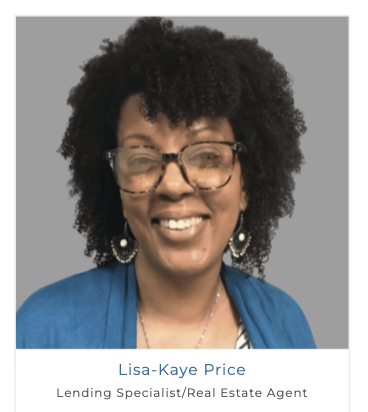
Lisa Kaye Price said it best:
“This means that timing is everything! Now is the time to buy. Once prices stabilize, the normal inverse relationship between prices and rates will kick in. We’re in that window of opportunity right now.”
That phrase — window of opportunity — kept echoing throughout the conversation.

Leo Florin, who’s seen his fair share of cycles while structuring deals in both commercial and residential real estate, replied with his classic one-liner:
“What Lisa said.”
That’s how you know it resonated.

Eugene Odums II, who works day in and day out with investors in Tampa and St. Pete, added:
“This slowdown feels more like a market reset than a crash. Tampa’s heading toward balance, and both buyers and sellers are finally getting a fair shot again.”
And honestly, that’s the word that fits: balance.
In 2021, buyers were desperate and sellers were spoiled. In 2025, both sides are finally breathing again.
Section 2: Data in the Dirt — 114 Days on Market Isn’t the End of the World
When I pointed out that Tampa’s average Days on Market (DOM) was 114, some newer agents looked like I’d just said the sky was falling.
But for those of us who lived through 2008, it’s nothing.
I reminded everyone:
“When you compare it to 25 months of inventory back in ‘08 — this ain’t nothing!”
That line got some laughs, but it’s true.

Keith Alvarez, who owns a title company and works daily with investor closings, broke it down in technical terms:
“The Tampa Bay housing market is shifting from a strong seller’s market to a more balanced one. Inventory is up, price growth is slowing, and buyers have more room to negotiate.”
He called it a corrective plateau.
I liked that phrase so much I asked him if that’s what his corporate relocation clients were calling it too. He said yes — that’s the buzzword going around among investors and title professionals across Florida.

Norma Mora added her Orlando perspective:
“A lot of people mention interest rates and inventory because it’s obvious we’ve moved from a hyper-seller’s market to something more balanced — or even slightly buyer-friendly.”
Then she smiled and added:
“But me personally, I think Tampa will remain very strong.”
That last part hit home — because Tampa’s fundamentals (jobs, migration, lifestyle, no state income tax) make it one of the most resilient markets in the country.
Section 3: The Investor Mindset — Play Defense and Stay Liquid
Not everyone was completely relaxed though.
Jose Cortez, who lives and breathes flips and rehabs, said:
“Being in a buyers market, we have to adapt. I’m buying at wholesale prices or lower, renovating less, and refurbishing instead of rebuilding. Selling 15–20% under market helps buyers get in — but I am worried we’re heading toward the same problems as 2008.”

That’s a fair concern — and one I hear often. But as Chirag Patel put it:
“Your strategy aligns with defensive investing — preserving capital, maintaining liquidity, and targeting distressed assets. Prices may keep correcting, but tighter underwriting and reduced speculative lending should protect the system this time.”
That was the turning point of the conversation. Everyone agreed: this isn’t 2008 — because the lending structure is night and day.
Section 4: Why This Isn’t 2008 — Mortgage Discipline
I summed it up this way:
“When you think about everything that’s been thrown at the market — insurance hikes, rate spikes, hurricanes — and we still only have around 5.5 months of inventory, that tells you this time around, we did the lending right. Nobody wants to let go of their 2.5% mortgage.”
That’s the truth.
Back in 2008, lenders were giving out mortgages like candy. Adjustable-rate loans, zero-down deals, no-doc loans — it was a house of cards.
Today? People have equity, strong credit, and stricter underwriting.
I called it:
“Tighter mortgage underwriting — our safe haven.”
And everyone nodded.

Nagib, who’s been through plenty of these cycles himself as both a lender and an investor, chimed in:
“The market always moves in cycles. Knowing that helps us stay calm and make informed decisions. Every cycle brings new opportunities — we just have to move with them. That’s why I love Graystone. We’re always ready to pivot.”
That’s what separates professionals from panic sellers.
Section 5: Timing the Opportunity
Lisa Kaye Price came back to her main point about timing:
“Once prices fully stabilize, that inverse relationship between rates and prices will kick in.”
Translation: when rates drop, prices rise.
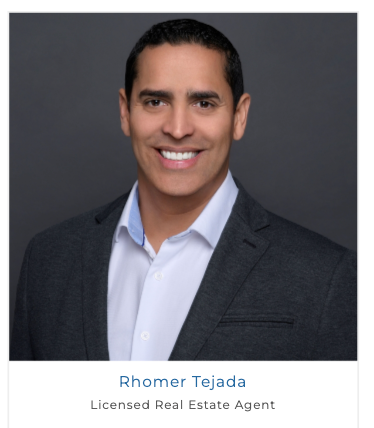
That’s why agents like Rhomer Tejada, who runs acquisitions across South Florida, are telling their buyers to move now:
“In my last two closings, the properties were discounted by $60,000. Huge discounts are showing up right now.”
That’s real money left on the table for buyers who hesitate.
Bradley Dreher, who studies the rental market like a scientist, added:
“Inventory levels are nearing balance, and I don’t see real declines coming. If President Trump declares a national housing emergency — which could happen — that would probably boost demand even more.”
He even broke it down with data, predicting government-backed buyer incentives could push affordability upward, not downward.
That kind of analysis is why I love having guys like Bradley on the call — practical and policy-aware.
Section 6: Adapting to the Cycle

Then Nolan, who consults global investors and has seen every kind of market condition imaginable, brought it home:
“Market conditions matter, but adaptability matters more. Different markets require different strategies. In some, flipping works. In others, BRRRR shines. And property management? That’s always solid — it survives every cycle.”
That’s exactly how I see it.
When Nolan asked me which market I prefer — buyer, seller, or balanced — I said:
“Our biggest profits come from opportunistic buyers and distressed sellers. So if I had to pick, I’d choose a buyers market every time.”
Because that’s when true investors thrive — when others are unsure.
Section 7: Lessons from Three Cycles
I told them straight:
“I’ve been through three market cycles, and every time, I’ve been the one left picking up the pieces. But here’s the thing — we make the most money when the cycle resets. The one-hit wonders and short-term players get washed out. The consistent, long-term companies stay standing. This time, we’re not just surviving — we’re taking it all.”
Everyone laughed, but they knew what I meant.
The people who understand cycles don’t fear them — they prepare for them.
Section 8: Regional Highlights
Tampa Bay:
-
Balanced or “corrective plateau” as Keith calls it.
-
Inventory rising but not overflowing.
-
South Tampa and waterfront homes still hold value.
-
Realistic pricing = faster sales.
Orlando / Central Florida:
-
Norma reports resilience and steady buyer traffic.
-
Investors targeting mid-tier rentals and avoiding new builds.
-
Insurance and tax costs are the biggest deal hurdles.
Jacksonville:
-
Jose sees more discounted rehab deals coming through.
-
Light renovations beating full flips in ROI.
-
Out-of-state investors (especially from New York and Texas) are keeping demand alive.
Miami / South Florida:
-
Rhomer reports strong interest from international buyers.
-
Mid-tier condos have longer DOM, but luxury and cash deals remain strong.
-
Expect a sharp rebound once rates ease.
Entrepreneur Spotlight — Quan Zairon:
Quan brings a unique perspective as both a licensed agent and multi-business owner. He owns several properties himself and reminded us:
“The key isn’t timing the market perfectly — it’s staying active. I treat real estate like my other businesses: adapt fast, manage risk, and scale smart.”
That mindset sums up exactly how modern investors are approaching Florida right now.
Section 9: Strategies That Work in 2025
Here’s what our group agreed actually works today:
-
Price to the Present — Stop chasing 2022 numbers.
-
Negotiate Smarter — Use seller credits to lower buyer rates instead of slashing prices.
-
Go Light on Rehab — Save major flips for standout deals.
-
Hold Cash Reserves — Liquidity always beats leverage in a correction.
-
Stick to Core Strengths — For Graystone, that’s acquisitions, lending, and management.
Section 10: Buyer and Seller Advice
For Buyers:
-
Get pre-approved early — surprises kill deals.
-
Ask for rate buydown credits over price cuts.
-
Target listings sitting over 60 days.
-
Stay fair — sellers are adjusting, not desperate.
For Sellers:
-
Price for today’s buyers.
-
Fix simple stuff — clean sells.
-
Offer incentives like closing help.
-
If you can rent it instead of sell, consider holding.
Section 11: What Happens If Rates Drop?
Everyone agreed: if rates fall even 1–1.5% in 2026, this balanced market flips right back to a seller’s market.
Why? Because millions of buyers are just waiting for an excuse to jump.
As Lisa Kaye Price said — and she’s right every time — “Timing is everything.”
Section 12: The Big Picture — Why Florida Is Still Different
Even with higher insurance and interest rates, Florida continues to attract:
-
Remote workers from high-cost states
-
Retirees drawn to no state income tax
-
Domestic investors chasing yield
-
International buyers who see Florida as “safe U.S. soil”
Add sunshine, tourism, and landlord-friendly laws — and you’ve got a market built to last.
Even Keith Alvarez and Norma Mora, from two very different parts of the state, agreed that “Tampa and Central Florida will hold strong.”
Section 13: The Graystone View
As Nagib said best, Graystone’s multi-arm model — brokerage, acquisitions, lending, and property management — gives us flexibility no matter what the market does.
If it softens, we lean into acquisitions and creative financing.
If it heats up, we focus on selling and syndication.
If it stabilizes, we build out long-term portfolios.
That’s the Domino Wealth Method in action: build equity first, then chase cash flow.
Section 14: A Little Humor to Close
Someone in the group joked, “If 114 days scares you, you probably started selling houses during COVID.”
And that’s fair. Because if you lived through listings that sat for two years like we did in 2008, this market feels like a vacation.
This isn’t a crash — it’s a deep breath.
Conclusion
The Florida real estate market of 2025 isn’t crashing. It’s correcting.
Agents from Jacksonville to Miami all see the same thing:
-
Inventory is rising, but healthy.
-
Sellers are realistic again.
-
Buyers have leverage.
-
Investors are tightening numbers and staying smart.
This is where long-term wealth begins — not during the hype, but during the reset.
Because every slowdown eventually rewards those who stay ready.
Keep it consistent, stay patient, stay true — if I did it, so can you.
This is Jorge Vazquez, CEO of Graystone Investment Group and Coach at Property Profit Academy.
Thanks for tuning in — until the next article, take care and keep building.
Book an Expert
New investor? Start with Jorge.

Jorge Vazquez – CEO & Investment Strategist at Graystone. Let’s make your portfolio stronger, steadier, and more profitable.
Deals? Book with Cody.

Meet Cody Bergstrom, Your Expert in Finding Deals Let’s find an off-market deal that actually works for you.
Need financing? Book with Lisa.

Meet Lisa Kaye Price, the LendingGig Top ML Let’s figure out the smartest way to fund your next deal.
Looking for PM? Book with Jay

Jay Michalec – COO & Property Management Expert at Graystone. Let’s make your rentals easier, calmer, and more profitable.