
Every now and then, a client asks a question that reminds me how confusing lenders can make things sound.
Today, our client Bob asked one of those questions:
“How do rehab loans actually work when it comes to draws? Who pays the contractors, and when do you get reimbursed?”
It’s a great question — one every investor should understand before diving into their first flip.
Cody, our Acquisitions Manager here at Graystone, jumped in right away with the breakdown.
And his explanation was spot on.
So, I figured it was worth turning this conversation into an article, because if Bob’s asking, hundreds of other new investors probably are too.
Let’s talk about how flip rehab loans really work — not the textbook version, but the real one you learn from being in the trenches for twenty years.
The Basics: What Is a Rehab Loan?
When you buy a property to flip or rehab, you’ll often use a rehab loan (sometimes called a fix-and-flip loan).
This type of loan covers two parts:
-
The purchase price of the property (what you’re paying to buy it).
-
The rehab funds (the budget for repairs, renovations, and upgrades).
Now here’s the catch: the lender doesn’t hand you all the rehab money upfront.
They hold it back and release it little by little — in what they call draws.
Think of it like your kid’s allowance: they don’t give you the full month’s cash all at once. They want to see that you cleaned your room before they hand you the next twenty bucks.
What Are Draws?
A “draw” is basically a reimbursement.
You or your contractor spend money doing part of the rehab — say, replacing the roof or finishing the plumbing — and then you ask the lender to pay you back for that portion.
You don’t get paid before the work; you get paid after the work is done.
And that’s where a lot of investors get stuck. They expect the lender to front all the repair money, but that’s not how it works. Lenders are protecting their money — they only release funds once they see proof that the work is complete.
How Do You Request a Draw?
Here’s the simple version.
Most lenders today use apps to manage the draw process.
One of the most common ones is Proven, but there are others that do the same thing.
You (or your contractor) take photos of the completed work, upload them into the app, and submit your draw request.
The lender reviews the photos, checks your original scope of work, and confirms that the repairs match what was planned.
If everything looks good, they approve the draw, and the money gets sent to your account — usually within a few days.
That’s it. No one’s driving out to your house with a clipboard like they used to. Everything’s digital now.
The Lender’s Perspective
Lenders aren’t trying to make your life hard; they’re just protecting themselves.
When they give you rehab money, they’re taking on more risk because the property might be a total mess.
So before they even fund the loan, they’ll have you submit a detailed rehab budget.
That document breaks down the repairs — roofing, flooring, painting, HVAC, kitchen, bathroom, electrical — line by line, along with estimated costs.
They’ll also document the property’s “as-is” condition (meaning before rehab). That way, when you start requesting draws, they can verify the improvements.
The more organized your scope of work and documentation, the smoother this process goes.
The Typical Draw Cycle
Every lender’s a little different, but most flips follow a similar rhythm:
-
You start the project.
You or your contractor pay out of pocket to begin work — usually demolition or major structural items first. -
You take photos and submit a draw request.
This is done through the app or platform. You’ll label the completed items and attach proof. -
Lender reviews and approves.
They compare your photos to the original scope of work. -
Funds are released.
Once approved, the lender reimburses you. The money usually hits your account within 2–5 business days. -
Repeat until completion.
You keep working in stages — flooring, bathrooms, kitchen, paint, landscaping — until the entire rehab is done.
Each time you complete a stage, you submit another draw. Most flips have 3–5 draws total.
The Hidden Costs of Draws
Here’s something most new investors don’t realize:
Draws come with fees.
That’s right — every time you request one, the lender charges a small fee for processing and inspection. It might be $100, $150, or even more, depending on the lender.
So if you do a bunch of little draws — say, one every week — those fees add up fast.
Before you know it, you’ve spent a few hundred bucks just on paperwork.
That’s why I always tell investors: don’t do micro draws.
Try to group your rehab work into bigger chunks, like “rough stage,” “finishing stage,” and “final stage.”
You’ll save money, time, and headaches.
Why Paying Cash Upfront Can Be Smarter
Now, here’s where I put on my “been there, done that” hat.
If you have enough cash to cover the entire rehab yourself, just pay for it upfront.
Then when the project’s finished, you can request a full reimbursement draw at the end — or none at all if you’re refinancing.
Why do it that way? Because it saves you:
-
Time waiting for lender approvals
-
Stress from photo uploads and app issues
-
Repeated visits from inspectors or contractors
-
Extra draw fees
Plus, your crew will love you for it.
When a team can go in, do the whole job without waiting for funds, they move faster and produce better results.
When I ran rehab crews personally, the number one thing that slowed us down was waiting for draw money to hit. The guys would have to pause mid-project, burn gas driving back and forth, and lose their rhythm. It’s not just frustrating — it’s inefficient.
Rehab is about momentum. When you’re in the zone, you want to keep going.
A Real Example: How This Works in Practice
Let’s say you’re buying a property for $200,000 with a $50,000 rehab budget.
The lender approves the full $250,000 project — $200K for purchase and $50K for rehab — but only gives you $200K at closing. The $50K sits in a rehab escrow account.
You start your project with your own funds.
You pay your roofer $10,000. You redo the plumbing for $8,000. You take before-and-after photos, upload them to the Proven app, and request your first draw for $18,000.
The lender verifies the photos, approves the work, and reimburses you.
Now you’ve got your cash back, and you roll it into the next phase — maybe the kitchen and flooring.
Repeat that process until the whole $50K rehab is done.
At the end, the property is complete, the lender is happy, and you’re ready to list or refinance.
What Happens If You Don’t Have the Cash?
Some investors just don’t have the extra money to start the work. That’s okay — but you’ll need to plan carefully.
Here’s what I tell clients in that situation:
-
Use vendors who can wait for payment.
Some contractors will start work knowing you’ll pay them as soon as the draw clears. -
Negotiate deposits.
Instead of paying 100% upfront, pay 20–30% to start. That shows commitment without draining your cash. -
Do sweat equity where you can.
Paint, landscaping, cleaning — those can save you thousands. -
Build a small “rehab reserve.”
Always keep a cushion for materials or surprises. Draws aren’t instant, so don’t run your account to zero.
You just need enough to start the first phase so the draw cycle can begin rolling.
Why Lenders Prefer the Draw System
A lot of investors wonder why lenders don’t just give them all the rehab money at once.
Simple: it’s about control and protection.
Imagine you’re a lender giving out millions in loans. If you handed investors all the rehab cash upfront, some would disappear or spend it on the wrong things. By using draws, lenders make sure the money actually improves the property’s value — which protects their collateral.
And remember, from their side, the rehab isn’t just a “construction project.” It’s an investment in their security. Every completed repair increases the property’s value, meaning their loan is safer.
What Graystone Does for Our Clients
Here’s where we make things easy.
At Graystone, when you work with us on a flip or BRRRR project, we handle the rehab coordination for you.
We’ve been doing this long enough to know what lenders expect and how to speed things up.
Our team manages the contractor payments, schedules the photo updates, and makes sure the lender gets all the documentation they need.
That means our clients don’t have to chase anyone down or worry about uploading a bunch of photos at 11 p.m.
We also give investors realistic timelines upfront. If a lender takes 3–5 days to release funds, we build that into the plan so your project doesn’t stall.
That’s the Graystone advantage — we’ve already made all the mistakes so you don’t have to.
Common Mistakes New Investors Make
Let me save you a few headaches:
-
Thinking draws are automatic.
You have to request them and prove the work is complete. -
Not documenting before-and-after photos.
Always take pictures before you start anything — even demolition. -
Overpromising in the rehab budget.
If you tell the lender you’ll do $60K of work and only do $30K, they might not release the full funds. -
Forgetting about draw fees.
Those $150 processing charges sneak up fast. -
Hiring the wrong contractor.
Some contractors refuse to wait for draw payments. Always clarify terms before they start.
A Quick Tip From My Experience
Here’s something most investors overlook:
Lenders track timelines.
If you say your rehab will take 8 weeks but you’re still submitting draws 5 months later, that’s a red flag.
They start worrying the project is off-track or mismanaged.
So even if you’re not rushing, keep your paperwork organized and your communication clear.
That way, the lender sees you as professional and trustworthy — which can lead to better terms on your next deal.
When to Skip the Draw Process Entirely
If you’re using your own cash or private money, you can skip the draw process altogether.
Pay for everything directly, get your rehab done, and then refinance once the property’s stabilized.
That’s actually how I built most of my portfolio in the early years.
I used private lenders and personal lines of credit to fund the entire rehab quickly.
Then I’d refinance, pull my cash out, and move to the next deal.
It’s faster, simpler, and gives you total control.
Of course, that only works if you have access to funds — which is why the draw system exists in the first place.
Final Thoughts
Rehab draws sound intimidating until you go through them once or twice.
After that, it becomes second nature.
The key is understanding the flow:
-
You pay first.
-
You show proof.
-
You get reimbursed.
-
Then you repeat until the job’s done.
It’s not about fighting the system — it’s about using it efficiently.
And if you’ve got the cash to cover the rehab yourself, do it. You’ll save time, money, and frustration.
At the end of the day, your goal as an investor is to turn that property fast and get your return — not to get caught up waiting for small draw checks to clear.
So whether you’re flipping your first house or your fiftieth, remember this:
The faster you control your rehab, the faster you control your outcome.
And if you ever need a team that’s been through it all — from lending to rehabs to property management — that’s what we do every single day at Graystone.
Keep it consistent, stay patient, stay true—if I did it, so can you.
This is Jorge Vazquez, CEO of Graystone Investment Group and all our amazing companies, and Coach at Property Profit Academy.
Thanks for tuning in—until the next article, take care and keep building!
If you’d like to connect directly with me, feel free to book a time here:
👉 https://graystoneig.com/ceo
Book an Expert
New investor? Start with Jorge.
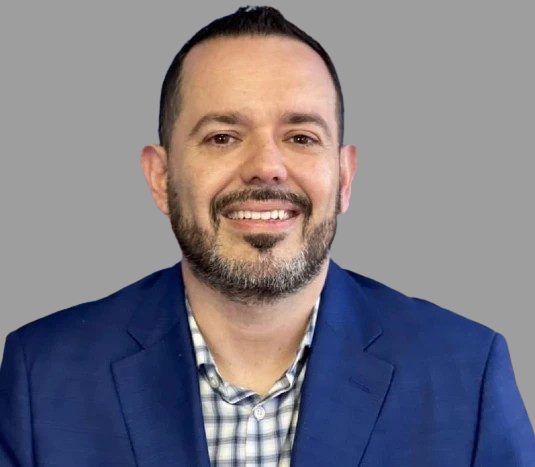
Jorge Vazquez – CEO & Investment Strategist at Graystone. Let’s make your portfolio stronger, steadier, and more profitable.
Deals? Book with Cody.

Meet Cody Bergstrom, Your Expert in Finding Deals Let’s find an off-market deal that actually works for you.
Need financing? Book with Lisa.
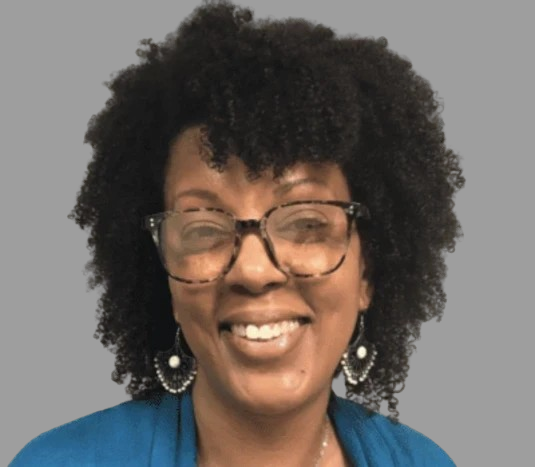
Meet Lisa Kaye Price, the LendingGig Top ML Let’s figure out the smartest way to fund your next deal.
Looking for PM? Book with Jay
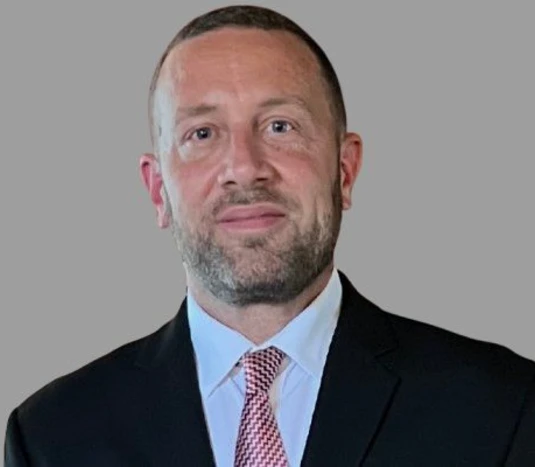
Jay Michalec – COO & Property Management Expert at Graystone. Let’s make your rentals easier, calmer, and more profitable.