
I was asked a question today by an investor that honestly made my stomach drop. Not because it was unique. Not because it was shocking. But because I’ve seen this exact situation way too many times over the last 20 years.
Someone bought a single-family home as an investment. Brand-new construction. Looked clean. Looked safe. Looked like a “set it and forget it” rental. The numbers they were shown looked fine. Not amazing, but fine. Break even. Maybe a little upside later. Nothing crazy.
And then reality showed up.
The taxes weren’t what they were told. They weren’t even close. What was presented as a few thousand dollars a year turned into five figures. Overnight, the deal went from barely working to bleeding roughly $1,000 a month.
That’s not a small mistake. That’s not a rounding error. That’s the difference between an investment and a financial anchor.
I want to be very clear here. I’m not naming companies. I’m not calling anyone out. I’m not here to create drama. I’m here to explain how this happens, why it happens, and what investors need to understand so they don’t walk into the same trap.
Because this is not rare. It’s common.
The Problem Isn’t Just Bad Luck. It’s Bad Numbers.
Most investors think deals go bad because markets crash or tenants stop paying or roofs cave in. Those things happen, sure. But the most dangerous deals are the ones that look fine on paper and slowly drain you because the math was wrong from day one.
In this case, the biggest issue was property taxes. New construction is where this mistake happens the most.
Here’s what a lot of investors don’t know.
When land is sitting empty, the tax bill is low. When a house gets built on it, the county doesn’t always reassess it immediately. So for a period of time, the tax bill still reflects vacant land, not a finished home.
Some investment companies use that low number in their projections. Sometimes intentionally. Sometimes because they don’t understand it themselves. Either way, the result is the same.
The county eventually catches up. And when they do, the taxes don’t go up a little. They jump hard.
Now add one more layer.
If the property is not your primary residence, you don’t get homestead benefits. No caps. No protections. Full investor tax rate.
So that $3,500 estimate becomes $10,000 or $11,000 real fast.
And if that wasn’t properly explained upfront, the investor never had a chance.
Why This Hurts More Than People Realize
A lot of people see a $6,000 or $7,000 increase in taxes and think, okay, that’s painful but manageable. What they don’t realize is how escrow works.
When your taxes jump, the lender doesn’t just adjust going forward. They also collect the shortage from the previous year.
So your payment doesn’t just go up by the new tax amount. It spikes because you’re paying last year’s shortfall plus this year’s higher bill.
That’s how someone suddenly goes from break even to down $1,000 a month.
And psychologically, that hits hard.
Now the investor isn’t thinking rationally. They’re thinking emotionally. They feel trapped. They feel embarrassed. They feel like they failed.
That’s when bad decisions happen.
This Is Where I Step In With Reality, Not Panic
When someone brings me a situation like this, the first thing I tell them is to slow down. Selling immediately is rarely the best first move, even when the numbers look ugly.
There are levers to pull before you blow the whole thing up.
The first lever is taxes. Even if you missed the appeal deadline this year, you prepare for the next one. You pull comparable assessments. You check square footage. You check classification errors. You talk directly to the assessor. You don’t assume the bill is final forever.
The second lever is insurance. Most people overinsure because no one ever explains lender minimums clearly. You review coverage. You raise deductibles temporarily. You remove unnecessary riders. That alone can save hundreds a month.
The third lever is management. This is where transparency matters. A good property management company would rather keep a client long term than squeeze them short term. You explain the situation honestly. You ask if there’s a lower service tier. You ask about temporary fee reductions with planned step-ups later. I’ve seen this work more times than people realize.
Then we look at income.
Can the property support a different rental strategy? Short-term rental. Medium-term rental. Room-by-room. Hybrid use. These aren’t always ideal, but when a deal is bleeding, perfection is not the goal. Survival is.
Then we look at the physical asset.
Is there room to add value? An in-law suite. A garage conversion. A rentable room. A secondary unit where zoning allows. One small change can flip the entire cash flow picture.
Only after all of that do we talk about exits.
Selling Isn’t Failure. Panic Selling Is.
If after running every scenario the deal still doesn’t make sense, selling may be the right move. But it should be done strategically, not emotionally.
Sometimes taking a controlled loss and redeploying capital is smarter than feeding a bad deal for years. Other times, holding through the pain creates equity and future upside that selling would destroy.
What matters is understanding the real math, not the pro forma fantasy that was originally sold.
And that’s the core lesson here.
The Real Issue: Investors Trust Numbers They Didn’t Verify
This is the uncomfortable part.
At the end of the day, no one signs closing documents for you. No one forces you to buy. And no one cares more about your money than you do.
Some investment companies rely on that trust. They know most first-time investors won’t question tax assumptions. They know people want simple. They know people want turnkey.
And that’s where people get hurt.
A pro forma is not a guarantee. It’s a hypothesis. And every line item on it should be challenged.
Especially taxes.
Especially insurance.
Especially rent assumptions in markets you don’t live in.
What I Want Investors to Take Away From This
This article isn’t about blame. It’s about awareness.
Bad deals don’t usually scream at you. They whisper.
They show up as small assumptions that compound into big problems.
If you’re investing out of state, you have to double your diligence, not outsource it.
If a deal barely works on paper, it doesn’t work.
If a company can’t clearly explain how taxes will change after reassessment, walk away.
If someone tells you not to worry about a number, worry more.
I’ve been doing this for over 20 years. I’ve lost money. I’ve made money. I’ve been burned and I’ve burned myself by trusting the wrong assumptions.
The goal isn’t to avoid mistakes forever. That’s impossible.
The goal is to recognize them early, manage them intelligently, and never let someone else’s spreadsheet control your financial future.
If you’re in a situation like this right now, you’re not alone. And it’s not the end of your investing journey. It’s a lesson. A painful one, yes. But one that can make you a far better investor moving forward.
Slow down. Rework the deal. Pull every lever. And make decisions from clarity, not fear.
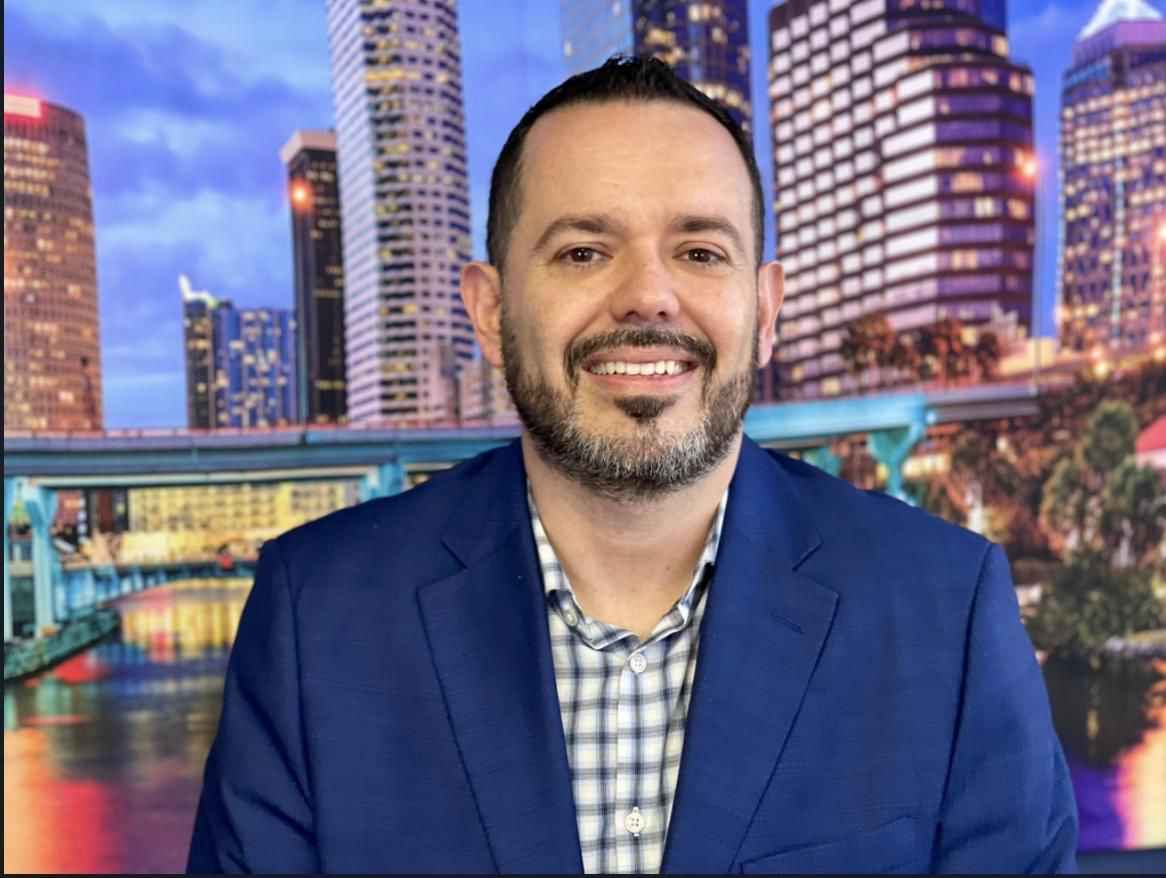
Keep it consistent, stay patient, stay true—if I did it, so can you. This is Jorge Vazquez, CEO of Graystone Investment Group and all our amazing companies, and Coach at Property Profit Academy. Thanks for tuning in—until the next article, take care and keep building!
If you’d like to connect directly with me, feel free to book a time here: https://graystoneig.com/ceo
Book an Expert
New investor? Start with Jorge.

Jorge Vazquez – CEO & Investment Strategist at Graystone. Let’s make your portfolio stronger, steadier, and more profitable.
Deals? Book with Cody.

Meet Cody Bergstrom, Your Expert in Finding Deals Let’s find an off-market deal that actually works for you.
Need financing? Book with Lisa.

Meet Lisa Kaye Price, the LendingGig Top ML Let’s figure out the smartest way to fund your next deal.
Looking for PM? Book with Jay

Jay Michalec – COO & Property Management Expert at Graystone. Let’s make your rentals easier, calmer, and more profitable.