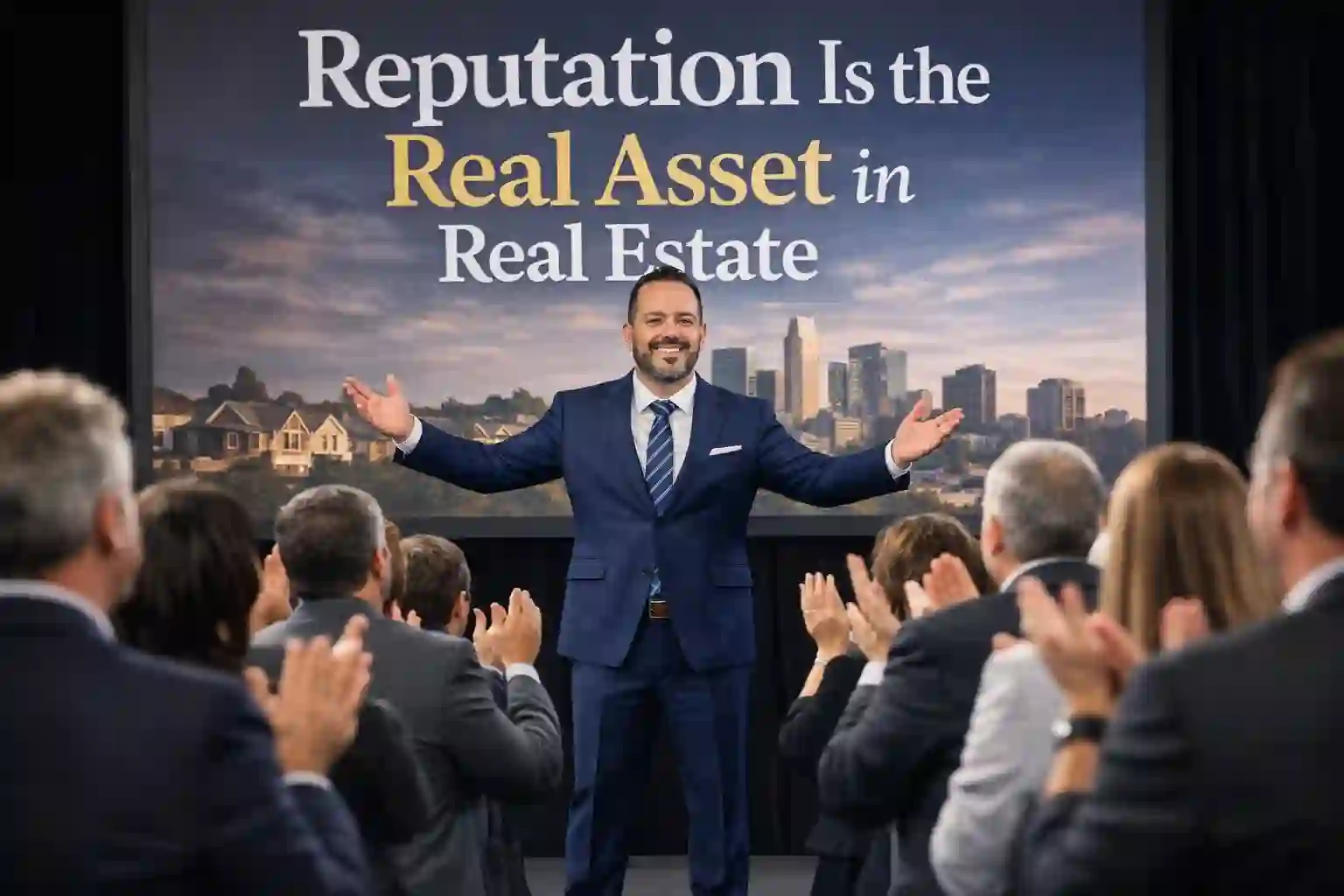
Reputation Is the Real Asset in Real Estate
By Jorge Vazquez
When people think about real estate wealth, they think about properties.
They think about:
Units.
Doors.
Equity.
Cash flow.
Square footage.
But after 20+ years in this business, more than 3,500 transactions, losing 22 properties during the crash, and rebuilding from scratch, I can tell you something most investors learn too late:
Reputation is the real asset.
Not the house.
Not the duplex.
Not the apartment complex.
Your name.
Let me explain why.
Properties Can Be Lost
In 2008, I lost 22 properties.
I lost my primary residence.
I lost investment buildings.
I lost liquidity.
But the most dangerous thing I almost lost wasn’t real estate.
It was credibility.
When markets collapse, numbers move fast.
Values drop.
Lending freezes.
Equity disappears.
But what really determines whether you survive is not your balance sheet.
It’s whether people still trust you.
If trust survives, you can rebuild.
If trust dies, rebuilding becomes almost impossible.
Real Estate Is a Relationship Business
People think real estate is about math.
It is.
But math alone doesn’t build portfolios.
Relationships do.
Private lenders fund deals because they trust you.
Investors wire funds because they trust you.
Banks extend terms because they trust you.
Agents send opportunities because they trust you.
Tenants stay because they trust you.
Trust is invisible equity.
And invisible equity compounds faster than appreciation.
The Year I Took Nothing
After the crash, I owed roughly half a million dollars to private individuals.
There were no guarantees I could recover.
But when deals started flowing again, I made a decision.
For twelve months, I didn’t take a single dollar for myself.
Every commission went toward paying investors back.
I did not legally have to make everyone whole.
But I did.
Why?
Because I understood something clearly at that moment:
If I protect my reputation, I can rebuild everything else.
If I protect my cash flow and ignore my reputation, I might win temporarily — but I’ll lose long term.
That decision changed my future.
Investors who had once been skeptical came back.
One partner who had previously lost money later entrusted me with significant capital to grow the company.
That is what reputation does.
It restores momentum.
The Shortcut Temptation
In real estate, there are shortcuts everywhere.
Overpromise returns.
Hide risk.
Blame the market.
Blame contractors.
Blame tenants.
Blame “unexpected circumstances.”
It’s easy to rationalize.
But reputation doesn’t erode in one dramatic moment.
It erodes slowly.
Through small compromises.
Through “just this once” decisions.
Through cutting corners.
And here’s the reality:
The real estate world is smaller than you think.
Your name travels faster than you do.
If you are known as:
Reliable — doors open.
Transparent — capital follows.
Disciplined — partnerships grow.
If you are known as:
Over-leveraged — doors close.
Deflecting responsibility — investors disappear.
Chasing hype — credibility weakens.
Reputation compounds quietly.
Just like equity.
Why Reputation Outlasts Cycles
Markets rise.
Markets fall.
Interest rates move.
Inventory shifts.
But your name stays.
I’ve seen investors look brilliant in rising markets.
Then disappear when liquidity tightens.
Why?
Because they built growth on momentum, not trust.
When markets get tough, investors look for operators with history.
They look for scars.
They look for someone who has been through a cycle and didn’t disappear.
That’s reputation.
And it only builds over time.
The Real Currency of Real Estate
Money is replaceable.
Deals are replaceable.
Opportunities are replaceable.
But credibility is fragile.
Once broken, it’s incredibly expensive to repair.
You can rebuild from losing properties.
You cannot easily rebuild from being known as someone who walks away from responsibility.
In 2008, I lost properties.
But I made sure I did not lose my name.
That made all the difference.
What Reputation Looks Like in Practice
Reputation isn’t just paying debts.
It shows up in everyday decisions.
It looks like:
Underwriting conservatively.
Not overpromising returns.
Telling investors the downside first.
Walking away from deals that don’t make sense.
Operating only in markets you can physically monitor.
Building recurring revenue so you don’t depend on hype.
It’s slow.
It’s disciplined.
It’s not flashy.
But it’s durable.
Reputation Creates Leverage
Here’s something interesting.
Reputation itself becomes leverage.
Not financial leverage.
Relational leverage.
When people trust you:
They move faster.
They wire funds confidently.
They give you second chances.
They introduce you to others.
You don’t need to convince as much.
You don’t need to oversell.
You don’t need to exaggerate.
Because your track record speaks.
That is invisible leverage.
And it’s far safer than bank leverage.
What I Tell New Investors
If you’re new in this business, you’re probably focused on:
Finding deals.
Learning numbers.
Understanding financing.
That’s good.
But start building your reputation immediately.
Even before you scale.
Answer calls.
Be transparent.
Deliver what you promise.
Underestimate returns and overdeliver.
If something goes wrong, take responsibility.
Never disappear.
Never ghost people.
Never protect your ego at the expense of your credibility.
You can recover from a bad deal.
You can’t recover from being known as unreliable.
The Long Game
I’ve been in this business for more than two decades.
I’ve seen cycles.
I’ve seen booms.
I’ve seen collapses.
The investors who survive are not always the smartest.
They’re not always the most aggressive.
They’re the most consistent.
They protect their name.
They build trust slowly.
They prioritize durability over speed.
And over time, that compounds into something powerful.
Real authority.
Final Thought
If I lost every property tomorrow but kept my reputation, I could rebuild.
If I kept every property but destroyed my reputation, I would eventually lose everything anyway.
That’s the difference.
Real estate is not just about assets.
It’s about alignment.
Alignment between your words and your actions.
Alignment between your projections and your execution.
Alignment between your promises and your results.
Protect that alignment.
Protect your name.
Because in real estate, reputation is the real asset.
If you want to build a portfolio based on durability, discipline, and long-term credibility instead of hype, you can connect with me directly here:
Keep it consistent, stay patient, stay true—if I did it, so can you. This is Jorge Vazquez, CEO of Graystone Investment Group and all our amazing companies, and Coach at Property Profit Academy. Thanks for tuning in—until the next article, take care and keep building!
If you’d like to connect directly with me, feel free to book a time here: https://graystoneig.com/ceo.
Book an Expert
New investor? Start with Jorge.
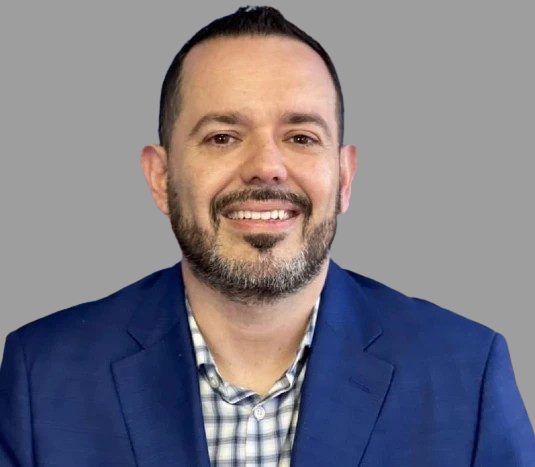
Jorge Vazquez – CEO & Investment Strategist at Graystone. Let’s make your portfolio stronger, steadier, and more profitable.
Deals? Book with Cody.
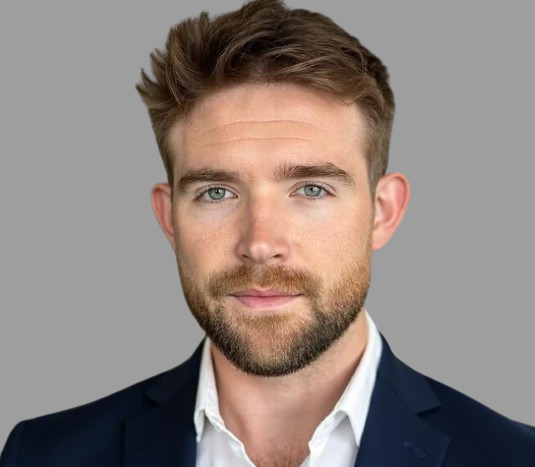
Meet Cody Bergstrom, Your Expert in Finding Deals Let’s find an off-market deal that actually works for you.
Need financing? Book with Lisa.
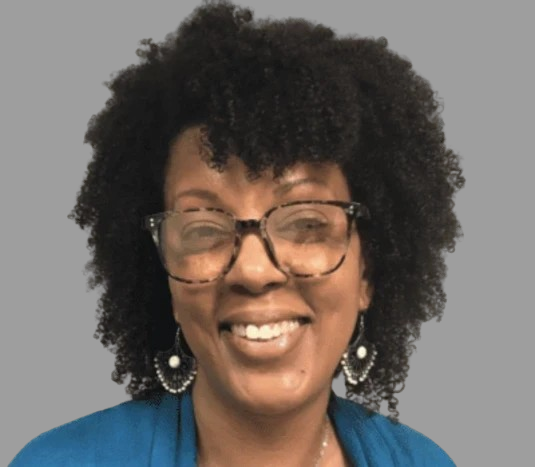
Meet Lisa Kaye Price, the LendingGig Top ML Let’s figure out the smartest way to fund your next deal.
Looking for PM? Book with Jay
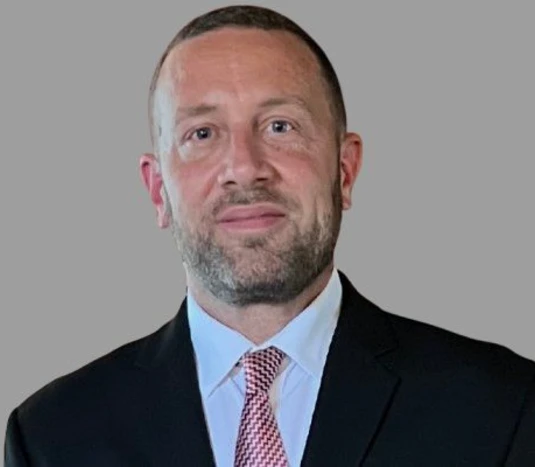
Jay Michalec – COO & Property Management Expert at Graystone. Let’s make your rentals easier, calmer, and more profitable.