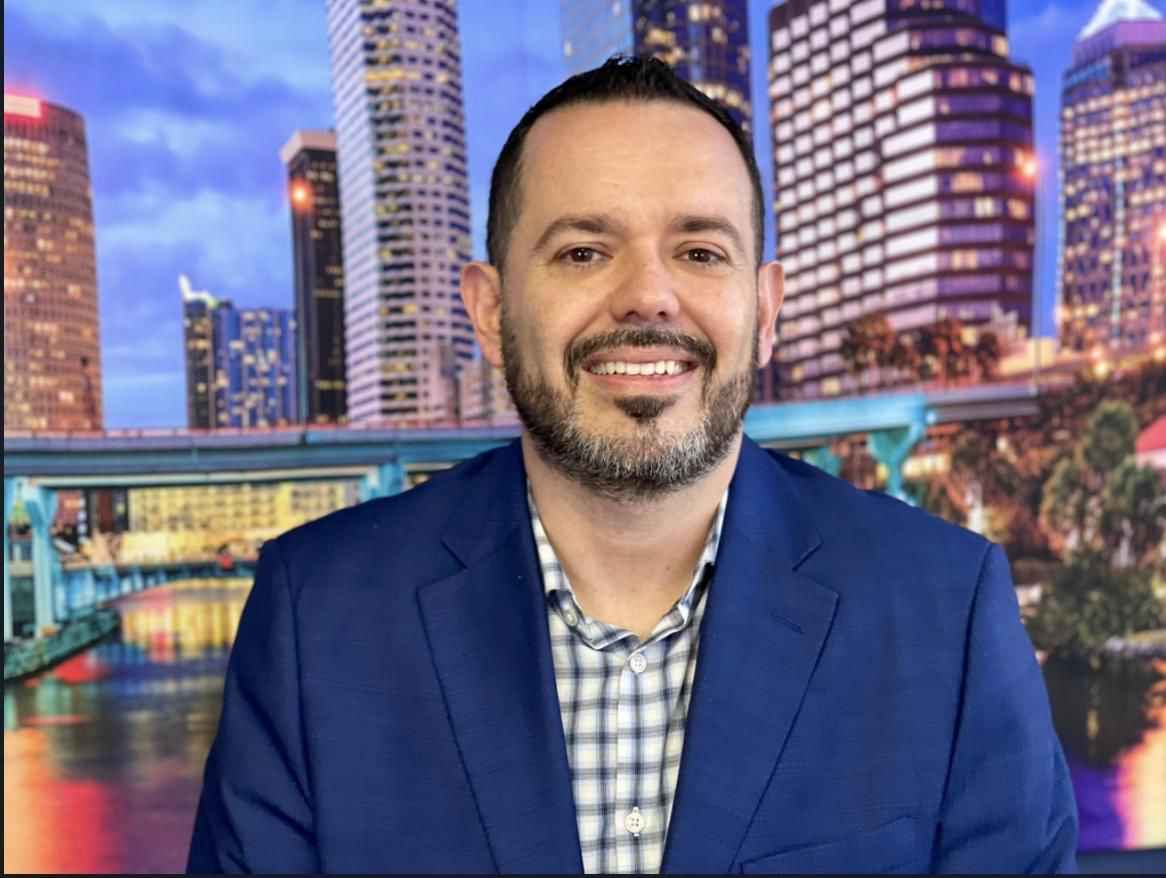

My Story: Savings Accounts vs. Tampa Real Estate
When I was first getting into money and investments, I used to sit there with the same question a lot of people have today: “Do I keep my cash in one of those fancy high-yield savings accounts, or do I go all in on real estate?”
Now, don’t laugh, but there was a time when I thought a savings account was a power move. You park your money, watch it grow with a steady little drip, and the bank pats you on the back with a whopping… what? 3%? Maybe 4% on a good day? At the time, it felt safe. I wasn’t losing money. I wasn’t waking up at 2 a.m. worrying about tenants or repairs. It was just “set it and forget it.”
But then I looked around Tampa and saw houses that were jumping in value. I saw rents climbing. I saw neighborhoods like Seminole Heights, Ybor, and West Tampa getting snapped up. And I had a moment: “Wait a second—my money is just sitting in the bank making me coffee money, while over here, people are doubling their equity?” That’s when I knew I had to make a decision.
Let me tell you how I figured it out, what I learned, and why Tampa real estate ended up being the clear winner for me.
Chapter 1: Consistent Growth vs. Explosive Appreciation
Savings accounts are like eating at the same diner every morning. You know the eggs will come out the same way every time. Predictable. No surprises. The waitress even knows your order before you sit down.
And for some people, that’s comforting. You know exactly how much your money will make. A savings account grows slow and steady—like a tortoise walking through syrup.
Now, compare that to Tampa’s real estate market. One of my first properties here was a simple little house in Seminole Heights. I wasn’t expecting fireworks. I thought maybe I’d make a little on the rent, a little on appreciation. But within two years, the equity doubled. It was like showing up at that same diner and finding out the cook just slipped you a free steak dinner on the side.
That’s the thing with Tampa—properties here don’t just sit still. Between the population growth, people moving in from out of state, and businesses expanding, values tend to rise faster than you’d expect. You can’t get that kind of acceleration from a savings account.
Chapter 2: Safety vs. Leverage
Now, here’s where the bank wins: safety. Your savings account is federally insured up to a certain limit. The bank is basically saying, “Don’t worry, we got you.” If the economy tanks tomorrow, your savings are still there.
But safety doesn’t build wealth fast. What really changed the game for me in Tampa real estate was leverage.
When I bought my first couple of properties, I realized I could control a $300,000 asset with $30,000 down. That’s like paying for one slice of pizza and getting the whole pie. The bank helps you finance it, and you’re sitting there with an appreciating asset, plus the rental income, plus tax benefits.
Of course, leverage cuts both ways. If you don’t know what you’re doing, you can end up over-leveraged. I’ve been there—I lost 22 properties back in the crash. But the lesson wasn’t “don’t use leverage.” The lesson was “use it smarter next time.” And Tampa, with its consistent demand and growth, is one of the places where smart leverage actually works in your favor.
Chapter 3: Predictable Returns vs. Florida’s Tax Perks
High-yield savings accounts are like that boring uncle who always tells the same story at Thanksgiving. Predictable. You know exactly what you’re getting. You’ll earn the same percentage every single month.
Real estate? That’s the cousin who shows up late with big energy and wild stories. Unpredictable sometimes, but when you listen, you realize there’s gold in there.
Florida is especially good to real estate investors. No state income tax. Plenty of depreciation benefits. Property tax structures that can be managed with the right strategy. When I figured out I could legally write off repairs, take depreciation, and still collect rental income, I felt like I had found a cheat code.
That’s when the light bulb went off: the government actually wants me to invest in real estate. They’re literally giving me incentives. Banks don’t hand you a tax deduction for keeping your cash in savings.
Chapter 4: Passive vs. Active
This was one of the biggest personal shifts for me. A savings account is the definition of passive. You put the money in, and the bank does everything else. You don’t even have to think about it.
But with Tampa real estate, I had to get my hands dirty. Literally. I’ve been in attics, crawl spaces, you name it. I’ve walked neighborhoods, interviewed contractors, and sat at closing tables until my hand cramped from signing.
At first, I thought, “Man, this is a lot of work.” But then I realized: with every rehab I finished, with every tenant I placed, my system got tighter. Eventually, I wasn’t the one swinging the hammer or answering the 2 a.m. calls. My property management team took over. And guess what? Suddenly, the income was passive.
I went from babysitting houses to letting them babysit me. And the rent checks didn’t stop.
Chapter 5: Digital Numbers vs. Tangible Assets
Here’s something I didn’t expect: having physical properties actually gave me peace of mind.
When my money was in the bank, it didn’t feel real. It was just digits on a screen. The bank could freeze my account tomorrow, and I’d have to beg them for access to my own money.
But when I stand in front of a duplex I bought in Ybor, touch the brick, walk the lot, and see tenants moving in, that’s a reminder of real value. You can’t “digitally disappear” a house. It’s tangible, and it’s tied to a real community.
Every property is like a little soldier out there working for me. Some are rookies and give me headaches. Some are seasoned vets, steady and reliable. But all of them exist in the real world, making me money in ways a savings account never could.
Chapter 6: Stable vs. Passive Income Potential
Let’s talk income. A high-yield savings account is steady. You’re not going to get rich, but you’ll get predictable deposits.
Real estate? That’s a whole other ballgame. One of my Tampa rentals has been paying me steady rent for years. Another one—when I switched it to short-term Airbnb—tripled the monthly cash flow. Now, it wasn’t without challenges. I had to deal with regulations, insurance, and tenant turnover. But the upside was massive.
Even when one property was vacant for a couple of months, the long-term appreciation covered the short-term headache. That’s something savings accounts can’t offer: multiple ways to win.
Chapter 7: The Lessons I Learned
Here’s what I’ve figured out over 20+ years of doing this in Tampa:
-
A savings account is for preservation.
-
Real estate is for wealth creation.
-
You need both in balance, but if your goal is freedom, you can’t just sit on the sidelines with the bank.
I’ve had properties that doubled in value, tenants that paid down my mortgage, and tax benefits that saved me thousands. But none of that would’ve happened if I had stayed in my “safe” savings account.
My Conclusion
At the end of the day, you’ve got to know yourself. Some people want to sleep at night knowing their money is locked in the bank, growing little by little. And there’s nothing wrong with that.
But for me, Tampa real estate was calling my name. The growth, the leverage, the tax perks, the tangible assets—it was all there. And once I jumped in, I never looked back.
I still keep some money in savings. I’m not reckless. But the bulk of my wealth came from Tampa properties, not the bank. That’s my truth.
So if you’re standing at the same crossroads I was—savings account or real estate—ask yourself: do you want safety, or do you want growth? Because in my experience, the real feast isn’t happening at the bank. It’s happening right here in Tampa’s neighborhoods.
Closing:
Keep it consistent, stay patient, stay true—if I did it, so can you. This is Jorge Vazquez, CEO of Graystone Investment Group and all our amazing companies, and Coach at Property Profit Academy. Thanks for tuning in—until the next article, take care and keep building!
If you’d like to connect directly with me, feel free to book a time here: https://graystoneig.com/ceo.
Book an Expert
New investor? Start with Jorge.
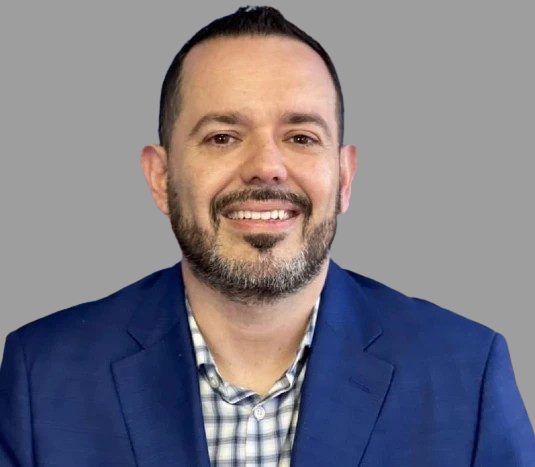
Jorge Vazquez – CEO & Investment Strategist at Graystone. Let’s make your portfolio stronger, steadier, and more profitable.
Deals? Book with Cody.

Meet Cody Bergstrom, Your Expert in Finding Deals Let’s find an off-market deal that actually works for you.
Need financing? Book with Lisa.
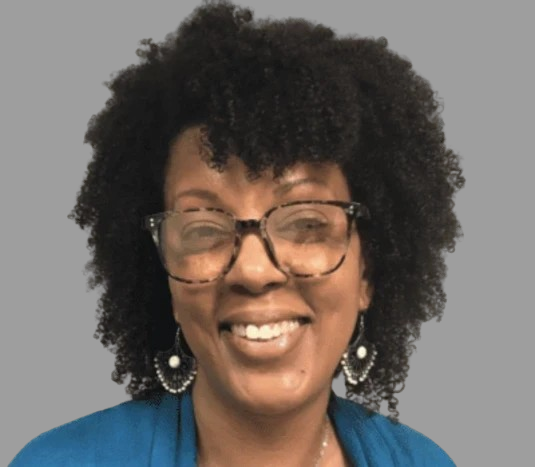
Meet Lisa Kaye Price, the LendingGig Top ML Let’s figure out the smartest way to fund your next deal.
Looking for PM? Book with Jay

Jay Michalec – COO & Property Management Expert at Graystone. Let’s make your rentals easier, calmer, and more profitable.