
What Can a Florida Landlord Do When a Tenant Turns the Property Into a Junkyard?
Being a landlord can feel like running a smooth little business. Rent comes in, the property stays clean, and everyone is happy.
And then sometimes… reality shows up.
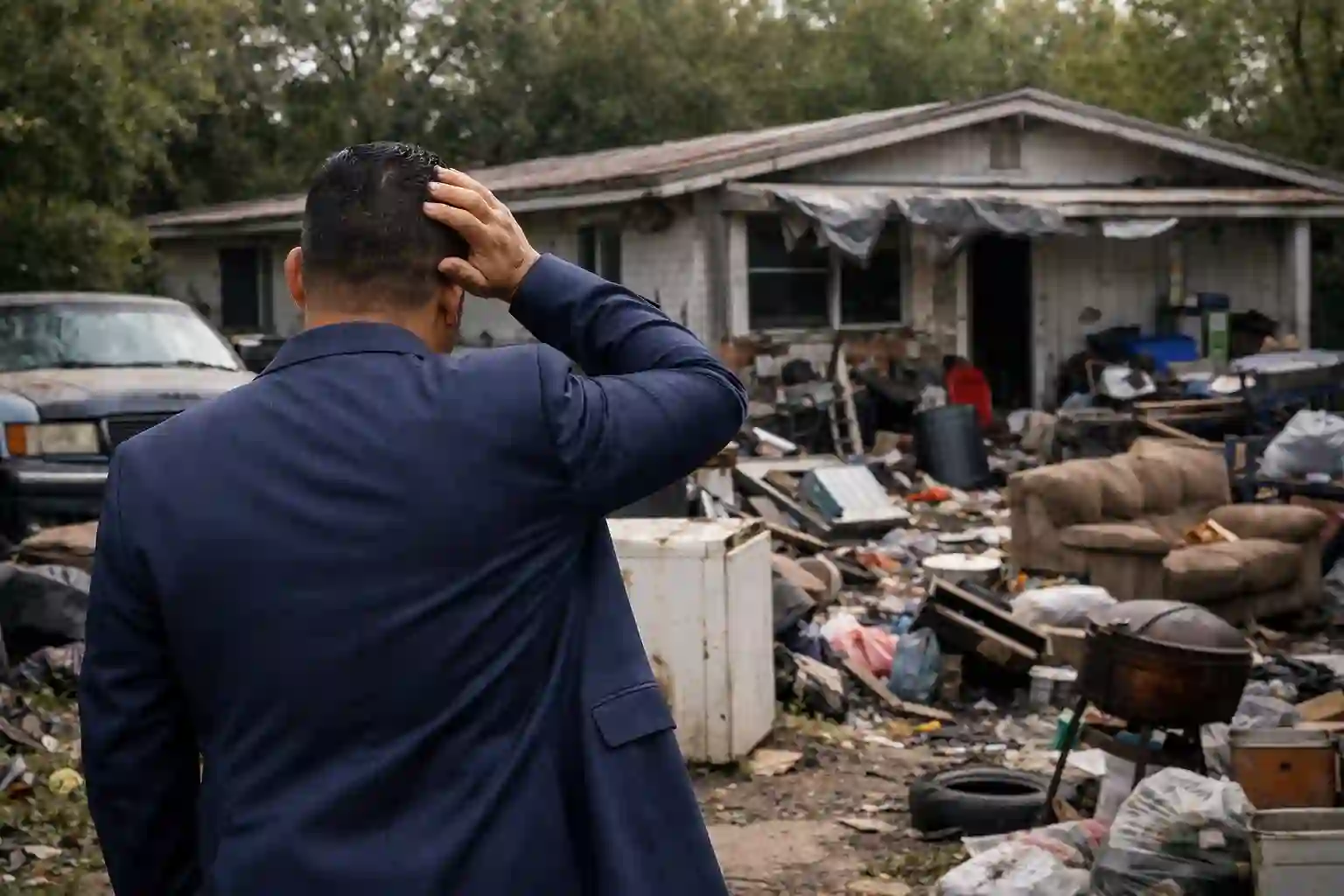
One day you drive by your rental property and suddenly it looks like someone opened a used appliance museum in the front yard. Old cars, broken furniture, piles of random stuff. Neighbors start staring. The city might eventually start asking questions.
So the big question landlords ask is this:
What can a Florida landlord legally do when a tenant stops maintaining the property?
Let’s break it down in simple language.
Quick Answer
In Florida, landlords can issue a 7 Day Notice to Cure under Florida Statute 83.56 when a tenant violates the lease by failing to maintain the property. The tenant must fix the issue within seven days. If they do not correct the violation, the landlord may move forward with terminating the lease and starting eviction.
The key is documentation and proper written notice.
Why Property Maintenance Matters for Landlords
When you rent a property, you are not just renting four walls. You are trusting someone to maintain the condition of the property.
Most leases include rules that require tenants to:
• Keep the property clean
• Remove trash and debris
• Avoid storing broken vehicles
• Maintain safe conditions
• Follow local code rules
When tenants ignore these responsibilities, the property can quickly become a problem.
And unfortunately, landlords are often the ones who deal with the consequences.
What Happens When a Tenant Stops Maintaining the Property?
If a tenant stops maintaining the property, the landlord must take action through the legal process.
This usually starts with a formal violation notice.
A violation notice explains:
• What part of the lease was violated
• What the tenant must fix
• How long they have to fix it
• What happens if they fail to comply
This gives the tenant a fair chance to correct the issue.
Example of a Real Florida Violation Notice
Let’s look at a real example.
In one case, a tenant had allowed vehicles, equipment, and miscellaneous debris to accumulate on the property. The lease required the tenant to maintain the premises in a clean and safe condition.
The violation notice explained that the tenant agreed to:
• Remove non operational vehicles and debris
• Maintain the property in a clean and orderly condition
• Provide monthly updates on cleanup progress
• Demonstrate visible progress clearing the property
However, the tenant had failed to meet those obligations.
The landlord issued a formal notice explaining the violation and giving the tenant seven days to correct the issue under Florida law.
Violation Notice Template
If the tenant failed to comply, the landlord could proceed with lease termination and legal action.
Can a Landlord Evict a Tenant for Junk or Debris on the Property?
Yes, but eviction is usually not the first step.
Florida law typically requires landlords to first provide a 7 Day Notice to Cure.
This notice gives the tenant time to:
• Remove junk from the property
• Dispose of non operational vehicles
• Clean the yard
• Bring the property back into compliance
If the tenant corrects the issue within seven days, the lease continues.
If they do not, the landlord may move toward eviction.
The Most Common Property Condition Violations
Over the years landlords see the same types of violations again and again.
Here are the most common ones.
Junk Accumulation
Tenants sometimes begin storing random items outside the home.
Examples include:
• Broken furniture
• Old appliances
• Scrap materials
• Construction debris
• Piles of trash
What starts as a small pile can quickly turn into a serious issue.
Non Operational Vehicles
Another frequent problem is vehicles that no longer run.
These might include:
• Cars without wheels
• Trucks that have not moved for months
• Vehicles being stripped for parts
Many cities prohibit storing these vehicles on residential property.
Safety Hazards
Accumulated debris can create serious risks.
These risks may include:
• Fire hazards
• Pest infestations
• Trip hazards
• Structural damage
Insurance companies and city inspectors pay close attention to these issues.
Code Enforcement Complaints
Sometimes the problem does not start with the landlord.
It starts with the neighbors.
When neighbors complain, code enforcement may inspect the property. If violations are found, the city may issue fines or require cleanup.
At that point the situation becomes much more complicated.
Why Written Notices Protect Landlords
Sending a written violation notice protects the landlord in several ways.
It proves that:
• The tenant violated the lease
• The tenant was informed of the violation
• The tenant was given time to correct it
• The landlord acted reasonably
If the situation eventually goes to court, documentation can make a huge difference.
Judges want to see that landlords followed the proper process.
Why Some Tenants Ignore These Notices
Sometimes tenants fix the problem right away.
Other times they ignore the notice.
This can happen for several reasons.
Some tenants feel overwhelmed by the cleanup.
Some assume the landlord will not enforce the lease.
And some simply believe the problem is not serious.
Unfortunately, waiting usually makes the situation worse.
A Simple Rule for Landlords
Over the years I have learned a simple rule.
Small problems become big problems when landlords ignore them.
If you notice a property starting to deteriorate, address it early.
Do not wait until:
• The city gets involved
• Neighbors start complaining
• Insurance issues appear
• The property becomes unsafe
The sooner you act, the easier the solution usually is.
Key Takeaways for Florida Landlords
If you are dealing with a tenant who is not maintaining the property, remember these steps.
• Review the lease agreement carefully
• Document the property condition with photos
• Send a formal violation notice
• Give the tenant time to correct the issue
• Follow Florida law before pursuing eviction
Handling the situation professionally protects both the property and the landlord.
Here is a copy of the form I use: https://docs.google.com/document/d/1uHLlhZaEYhlV1x31B6EJz6-lt2i-wY2h-dVq0HpbZ0o/edit?tab=t.0
Final Thoughts
Being a landlord comes with all kinds of experiences.
Some tenants treat the property better than you would yourself.
Others treat it like a storage unit for every broken item they have ever owned.
The key is staying calm, following the legal process, and documenting everything properly.
A simple violation notice can often solve the problem before things escalate.
And if it does not, at least you have taken the correct steps to protect your property and your investment.
Keep it consistent, stay patient, stay true—if I did it, so can you. This is Jorge Vazquez, CEO of Graystone Investment Group and all our amazing companies, and Coach at Property Profit Academy. Thanks for tuning in—until the next article, take care and keep building!
If you’d like to connect directly with me, feel free to book a time here:
https://graystoneig.com/ceo
Book an Expert
New investor? Start with Jorge.

Jorge Vazquez – CEO & Investment Strategist at Graystone. Let’s make your portfolio stronger, steadier, and more profitable.
Deals? Book with Cody.

Meet Cody Bergstrom, Your Expert in Finding Deals Let’s find an off-market deal that actually works for you.
Need financing? Book with Lisa.

Meet Lisa Kaye Price, the LendingGig Top ML Let’s figure out the smartest way to fund your next deal.
Looking for PM? Book with Jay

Jay Michalec – COO & Property Management Expert at Graystone. Let’s make your rentals easier, calmer, and more profitable.