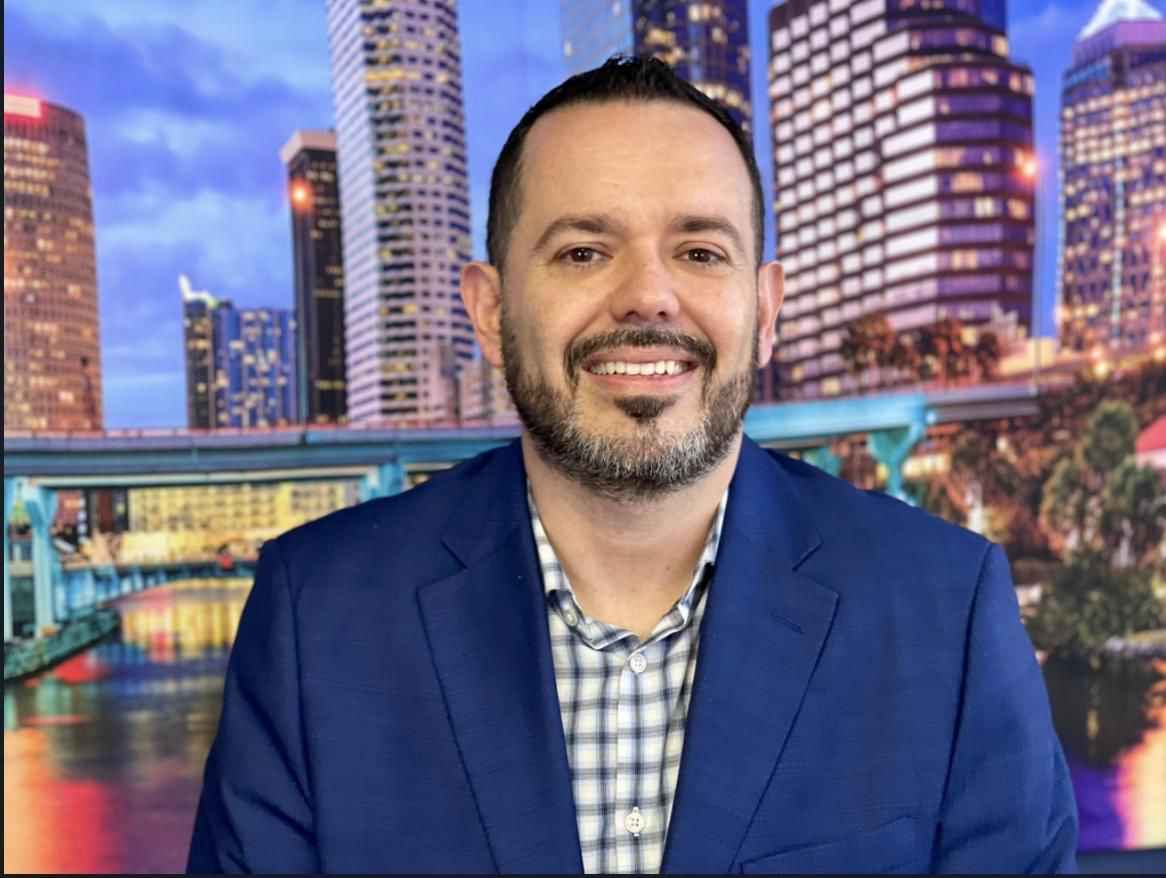

In my 20 years of doing this, I’ve learned something the hard way.
Buying the property is not the hard part.
It feels like the hard part. It’s emotional. It’s stressful. There are numbers, paperwork, negotiations, inspections, lenders asking for the same document three times. So when you finally close, it feels like relief. Like you crossed the finish line.
You didn’t.
You stepped onto the track.
I’ve made every mistake you can think of after buying. And most of them didn’t show up on day one. They showed up weeks or months later, quietly, when I wasn’t paying attention. That’s why I always tell investors this:
What you do after you buy decides whether the deal works.
Not the purchase price. Not the interest rate. Not how good you felt on closing day.
So if I had to break it down simply, here are the next five moves I make every single time now. These are written in blood. Or at least in very expensive invoices.
First, Let’s Get One Thing Straight
Real estate does not reward excitement.
It rewards discipline.
Every bad deal I’ve ever seen started with someone relaxing too early. They bought the property and mentally checked out. They assumed things would “settle” on their own.
Properties don’t settle. They decay, drift, or demand attention.
So the moment you buy, your mindset has to shift from hunter to operator.
That’s where move one starts.
Move 1: Take Control Immediately
The first thing I do after buying a property is take control. Not eventually. Not next week. Immediately.
I’m talking about physical control and operational control.
Locks get changed.
Utilities get confirmed.
Insurance gets verified.
The property gets eyes on it.
Early in my career, I thought this stuff was obvious. It wasn’t. I assumed things were fine because nothing looked wrong from the outside.
That assumption cost me money more than once.
A vacant property doesn’t announce problems. It just quietly lets them grow. A small leak turns into drywall damage. A tripped breaker turns into a fridge full of spoiled food. A broken window turns into an invitation.
If the property is vacant, it gets checked regularly. If it’s occupied, I immediately confirm lease terms, deposits, rent status, and communication channels.
No guessing. No “we’ll figure it out later.”
Control early saves money later.
Move 2: Do the Walkthrough You Actually Need
You already did an inspection. You already walked the property. You think you know it.
You don’t.
After closing, I do a walkthrough with a different mindset. Not as a buyer. As an owner.
This is where I stop looking at finishes and start looking at function.
I’m asking questions like:
What will fail first?
What was patched instead of fixed?
What has five years left instead of fifteen?
What’s going to wake me up at 2 a.m.?
I learned over time that cosmetic issues rarely kill deals. Mechanical ones do.
Roof, HVAC, plumbing, electrical, drainage. Those are the organs of the property. You can live with ugly paint. You can’t live with a bad sewer line.
This is also where I stopped underestimating repairs. Investors don’t lose money because repairs exist. They lose money because they guess instead of measuring.
Write it down. Take photos. Get real numbers. The goal here isn’t perfection. It’s awareness.
Move 3: Decide the Property’s Job
This is one of the most common mistakes I see.
People buy a property and don’t decide what its job is.
They say things like:
“I’ll rent it for now.”
“Maybe I’ll flip it later.”
“Let’s see what the market does.”
That sounds flexible. It’s not. It’s indecision disguised as strategy.
Every property should have one primary job.
Is it a rental meant to cash flow?
Is it a BRRRR meant to recycle capital?
Is it a flip meant to exit?
Is it a short-term hold meant to stabilize?
Once you decide that, everything else becomes clearer. Rehab scope. Budget. Timeline. Financing. Exit.
I’ve lost money changing strategies midstream. I’ve also watched investors talk themselves into paralysis because they didn’t want to commit.
Markets change. Strategies don’t need to change every time the wind blows.
Clarity creates momentum. Momentum creates results.
Move 4: Build the System Before You Need It
I used to believe doing everything myself made me a better investor.
It didn’t. It made me tired.
I answered calls. Coordinated repairs. Chased rent. Took emergency texts. I told myself I was saving money.
What I was really doing was building a fragile operation that depended entirely on me.
That works for a little while. Then life happens.
Now, I think in systems.
Who handles maintenance?
Who handles communication?
Who handles accounting?
Who handles emergencies?
Whether you self-manage or hire a property manager, the principle is the same. You need structure before stress shows up.
The worst time to look for a plumber is when water is pouring through the ceiling. The worst time to learn tenant law is when you already have a problem tenant.
Real wealth isn’t built on heroics. It’s built on boring repeatable systems that keep working even when you’re busy, sick, or unavailable.
Move 5: Plan the Next Move Early
Here’s the part most people skip.
The property you just bought is not the finish line. It’s a domino.
I always ask:
When does this stabilize?
When can I refinance?
How much equity will exist?
What does this enable next?
Velocity matters in real estate. Not speed. Velocity. Direction plus movement.
You don’t need to rush into the next deal. But you do need to know where this one is taking you.
I’ve watched investors stall because they treated each deal as an isolated event. They bought one, got comfortable, and waited too long to move again.
Real estate rewards consistency more than intensity.
The Mistakes That Taught Me the Most
I’ve trusted people I shouldn’t have trusted.
I’ve waited too long to fire underperformers.
I’ve sold properties too early.
I’ve held properties too long.
I’ve chased returns instead of durability.
I’ve lost properties. That changes how you think.
Losing properties teaches you humility. It teaches you respect for leverage. It teaches you that cash flow matters more than spreadsheets.
One of the biggest lessons I learned is this:
Selling good assets too early is usually the mistake. Not holding them.
If you don’t have a clearly better place to put that money, with equal or lower risk, selling is often the emotional move, not the smart one.
Why Buying Is the Easy Part
Buying feels productive. It feels like progress. It’s tangible.
Execution is quieter. It’s repetitive. It’s boring. And that’s where people lose focus.
The investors who last aren’t the smartest. They’re the most disciplined.
They follow the same process every time.
They don’t improvise under pressure.
They don’t romanticize deals.
They treat real estate like a business, not a side project.
If You’re New, Read This Carefully
You don’t need to be perfect. You don’t need to know everything. You don’t need to avoid every mistake.
You just need a process.
If you plan your next five moves every time you buy, you reduce risk dramatically. You don’t eliminate mistakes, but you survive them. And survival is underrated in this business.
Final Thought
What happens after you buy matters more than the purchase itself.
That’s not exciting. It’s not flashy. But it’s true.
Real estate rewards people who stay consistent, stay patient, and stay disciplined long enough for the math to work.
If you want help thinking through your next five moves on a real property, that’s literally what we do every day.
Keep it consistent, stay patient, stay true—if I did it, so can you. This is Jorge Vazquez, CEO of Graystone Investment Group and all our amazing companies, and Coach at Property Profit Academy. Thanks for tuning in—until the next article, take care and keep building!
If you’d like to connect directly with me, feel free to book a time here:
https://graystoneig.com/ceo