
What I Learned From the 2008 Real Estate Crash
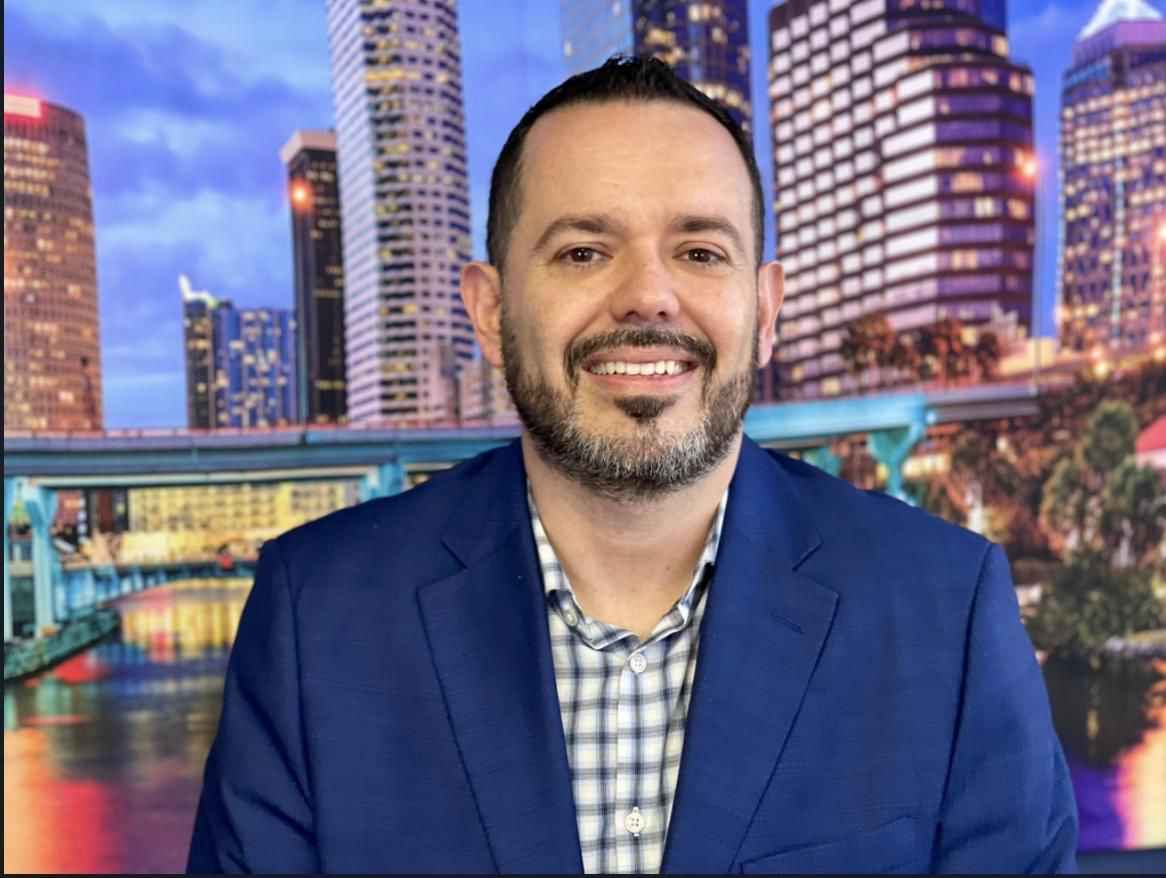
By Jorge Vazquez
I do not talk about 2008 to sound tough.
I talk about it because it almost ended me.
When people hear that I have been involved in more than 3,500 real estate transactions, manage hundreds of properties, and own dozens myself, they assume the story was smooth.
It was not.
In 2008, I lost 22 properties.
I lost my liquidity.
I lost my marriage.
I lost my reputation.
I lost half a million dollars in personal debt obligations.
And for a moment, I almost lost my will to keep going.
But here is the strange part.
That collapse became the most valuable education I ever received.
If I could go back and remove the crash from my life, I would not.
Because what I learned in that season is the reason I am still standing today.
Let me walk you through the lessons.
Lesson 1: Liquidity Is Oxygen
Before the crash, I had about three hundred thousand dollars in liquidity.
I felt strong.
Confident.
Aggressive.
I purchased an eight hundred thousand dollar property in Tampa.
I took on a downtown building carrying about five thousand dollars per month in liabilities.
The numbers worked on paper.
But I did not fully respect liquidity.
Then December 23, 2007 happened.
The last investor loan program shut down.
Financing disappeared almost overnight.
Liquidity in the system dried up.
That is when I understood something I will never forget:
Cash is not comfort.
Cash is oxygen.
When oxygen disappears, everything suffocates.
Today I operate differently.
I maintain reserves.
I stress test every acquisition.
I ask one question repeatedly:
If income slows down, can this survive?
If the answer is no, I do not move forward.
Lesson 2: Leverage Is a Double-Edged Sword
Debt builds wealth.
But debt can also destroy it.
Before 2008, leverage felt like a smart accelerator.
You could refinance.
You could pull equity.
You could scale.
It felt endless.
But leverage depends on liquidity.
And liquidity depends on confidence.
When banks lose confidence, leverage turns against you.
I was overexposed.
Not reckless.
But optimistic.
Optimism without contingency is dangerous.
Today, I cap leverage intentionally.
I avoid depending on future refinancing to justify present risk.
If a deal only works if rates drop next year, it is not a deal.
It is a bet.
And betting is not investing.
Lesson 3: Appreciation Is a Bonus, Not a Strategy
Before the crash, appreciation felt normal.
Prices kept rising.
You could make mistakes and still win.
But appreciation is seasonal.
It is not permanent.
When values started falling, I watched equity evaporate.
Properties that once felt like assets became anchors.
Now I underwrite deals as if appreciation does not exist.
If appreciation happens, great.
If it does not, the property must still perform.
Performance must stand on its own.
Hope is not part of my underwriting.
Lesson 4: Recurring Income Creates Stability
One of the biggest structural changes I made after rebuilding was making property management a core pillar of the business.
Why?
Because transaction-based income disappears in downturns.
Sales slow.
Flips pause.
Buyers freeze.
But tenants still need housing.
Recurring revenue stabilizes operations.
When I rebuilt, I made sure the company was not dependent solely on buying and selling.
That lesson came directly from watching my previous model collapse.
Today, that recurring revenue is one of the reasons we operate with confidence in changing markets.
Lesson 5: Reputation Is Worth More Than Cash Flow
At one point, I owed roughly five hundred thousand dollars to private individuals.
When payments stopped, pressure escalated.
Fear was everywhere.
But when I finally stabilized and began generating income again, I made a decision.
For twelve months, I did not take a single dollar for myself.
Every commission went toward repaying investors.
Every debt was settled.
I did not legally have to make everyone whole.
But I did.
And something incredible happened.
Trust returned.
Investors who once doubted me came back.
One partner who had previously lost money later entrusted me with a million dollars to help build what is now Graystone Investment Group.
That is when I learned:
Money can be rebuilt.
Reputation, if destroyed, is far harder to restore.
Guard your name more aggressively than your margins.
Lesson 6: Ego Is Expensive
Before the crash, I was moving fast.
Closing deals.
Scaling.
Expanding.
Ego sneaks in quietly.
You start believing you are smarter than the market.
You start thinking the cycle will bend around you.
It does not.
The market humbles everyone.
Today I operate with humility.
I do not assume I am immune to cycles.
I prepare for them.
The moment you think you have outsmarted risk is the moment risk teaches you otherwise.
Lesson 7: Problems Are Solvable
There was a moment in 2008 when everything felt over.
Business collapsing.
Marriage ending.
Debt mounting.
I remember thinking there was no way out.
But something shifted inside me.
I realized something simple but powerful:
There are very few problems in life that cannot be solved.
They may be painful.
They may be embarrassing.
They may take years to fix.
But they are solvable.
That mindset change saved me.
Real estate is numbers.
But survival is psychological.
If you break mentally, it is over.
If you stay consistent, solutions appear.
Lesson 8: Consistency Beats Intelligence
I was not the smartest person in the room.
I arrived in this country not speaking English.
I did not inherit capital.
I did not have elite financial backing.
What I had was stubborn consistency.
After the crash, I called nearly one thousand contacts per week.
Most declined.
Many reminded me of my previous failure.
But I kept dialing.
Eventually, one hedge fund manager in New York gave me a chance.
Within one year, I sold one hundred properties to that fund.
Not because I was brilliant.
Because I refused to disappear.
Consistency compounds quietly.
And eventually, it wins.
Lesson 9: Winter Always Comes
Markets move in cycles.
Boom.
Stability.
Correction.
Fear.
Recovery.
Before 2008, many investors believed the market could not fall nationally.
They were wrong.
Today, I build as if winter will come again.
Because it will.
Maybe not tomorrow.
Maybe not next year.
But cycles are permanent.
Your strategy must survive the cold, not just enjoy the summer.
Lesson 10: Structure Over Speed
In my early years, growth was exciting.
Scale felt powerful.
But speed without structure is fragile.
Today, we grow deliberately.
We operate only in markets we can physically monitor.
We maintain oversight.
We build systems.
Structure protects scale.
Without structure, scale collapses under its own weight.
What 2008 Means for 2026
People ask me if today feels like 2008.
The answer is no.
The fundamentals are different.
But the psychological patterns are similar.
Some investors are overconfident.
Some are assuming refinancing will always save them.
Some are buying based on projected rate cuts.
The lesson from 2008 is simple:
Do not build your portfolio on assumptions that require perfect conditions.
Build it to survive imperfect ones.
That is the difference between speculation and strategy.
The Real Definition of Wealth
Before the crash, I thought wealth meant number of properties.
Today, I define wealth differently.
Wealth is stability.
Wealth is optionality.
Wealth is sleeping without panic.
Wealth is knowing your structure can survive stress.
I own fewer properties today than some influencers claim to own.
But every property is intentional.
Every acquisition is stress tested.
Every decision is measured.
Durability is wealth.
If You Are New
If you are just starting in real estate, here is what I want you to remember from someone who has already blown up:
Do not depend on appreciation.
Do not over-leverage.
Do not chase hype.
Do not build without reserves.
Do not ignore recurring income.
And most importantly, do not quit when it gets hard.
The crash did not destroy me.
My decisions did.
And when I corrected my decisions, everything changed.
That is empowering.
Because if your choices created the problem, your choices can fix it.
If you want to build a strategy that is designed to survive the next cycle, not just ride the current one, you can connect with me here:
Keep it consistent, stay patient, stay true—if I did it, so can you. This is Jorge Vazquez, CEO of Graystone Investment Group and all our amazing companies, and Coach at Property Profit Academy. Thanks for tuning in—until the next article, take care and keep building!
If you’d like to connect directly with me, feel free to book a time here: https://graystoneig.com/ceo.
Book an Expert
New investor? Start with Jorge.
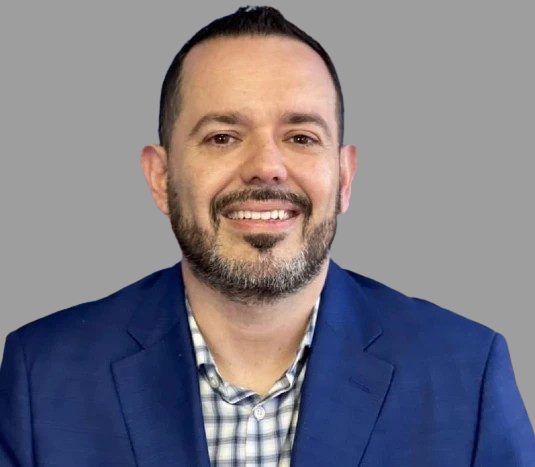
Jorge Vazquez – CEO & Investment Strategist at Graystone. Let’s make your portfolio stronger, steadier, and more profitable.
Deals? Book with Cody.
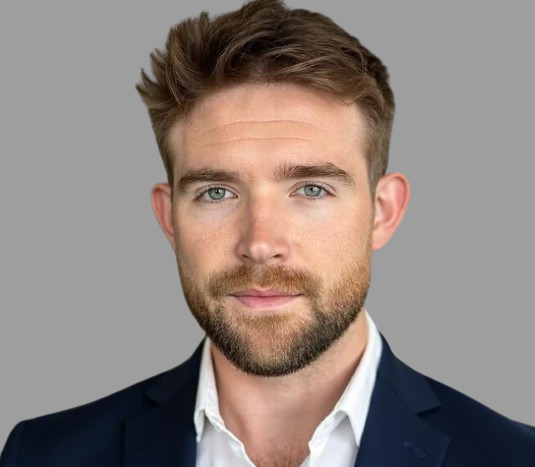
Meet Cody Bergstrom, Your Expert in Finding Deals Let’s find an off-market deal that actually works for you.
Need financing? Book with Lisa.
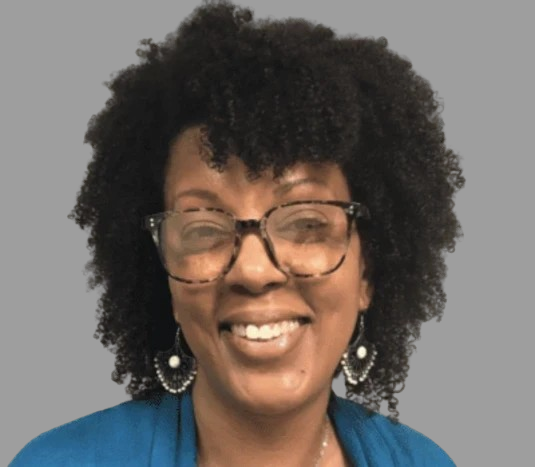
Meet Lisa Kaye Price, the LendingGig Top ML Let’s figure out the smartest way to fund your next deal.
Looking for PM? Book with Jay
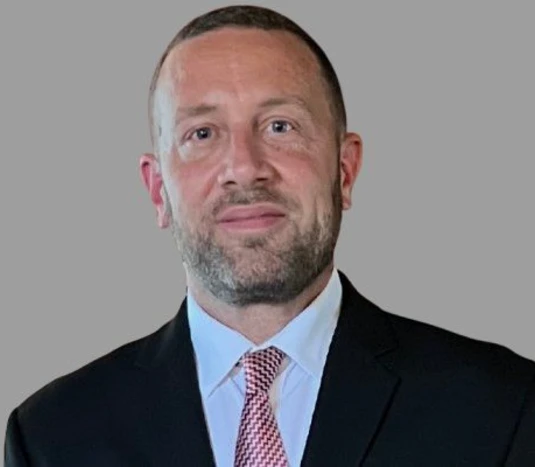
Jay Michalec – COO & Property Management Expert at Graystone. Let’s make your rentals easier, calmer, and more profitable.