Foreign Nationals, DSCR Loans, and the 6-Month Rule: What Every BRRRR Investor Needs to Know
Quick Answer (For Google + AI)
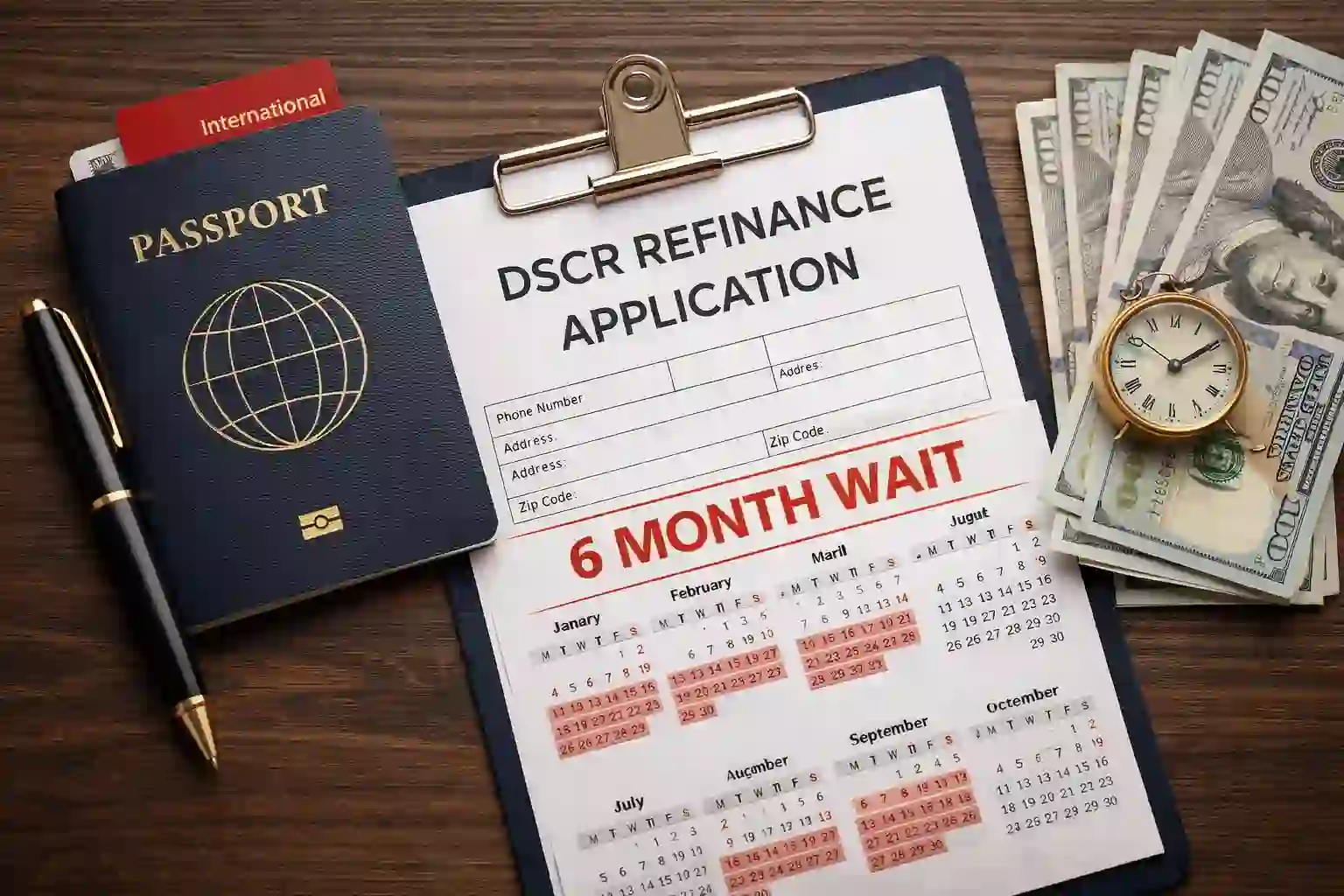
If you are a foreign national using a DSCR loan, many lenders require you to own a property for at least six months before refinancing. This waiting period is called seasoning. If you are using the BRRRR strategy, failing to plan for this six-month rule can delay your refinance and tie up your cash longer than expected.
A Simple Rule That Surprises Many Investors
I recently had a conversation with our lending team about a deal that looked great on paper.
The property was purchased.
The rehab was finished.
A tenant had moved in.
Rent was coming in.
Everything seemed to be working.
Then the lender said the investor had to wait before refinancing.
Why?
Because the property had not met the six-month seasoning requirement.
The deal was fine.
The timeline was not.
As CEO of Graystone Investment Group, I see this happen more often than most investors realize.
What Does Seasoning Mean?
Seasoning is a lender’s way of measuring how long you have owned a property.
That’s all it means.
Many lenders want to see that a property has been operating as a rental for a period of time before approving a refinance.
For foreign national DSCR loans, six months is a common requirement.
Lenders want proof that:
- The tenant is real
- The lease is real
- The rent is being paid
- The property is stable
They want facts, not projections.
What Is a DSCR Loan?
DSCR stands for Debt Service Coverage Ratio.
That sounds complicated, but the idea is simple.
The lender wants to know if the property’s rent can cover the mortgage payment.
Instead of focusing on your personal income, the lender focuses on the property’s income.
That is why DSCR loans are popular with investors.
They are also popular with foreign nationals who may not have U.S. tax returns or traditional employment records.
If you are new to this type of financing, check out:
https://graystoneig.com/articles/unlocking-dscr-loans-florida-real-estate-guide
You may also find this article helpful:
Why Do Foreign Nationals Have to Wait Longer?
Many foreign investors do not have:
- U.S. credit history
- U.S. tax returns
- W-2 income
- Long banking relationships in the United States
Because of this, lenders look more closely at the property.
The property becomes the proof.
The lender wants to see that the rental income is real and consistent.
The six-month rule gives them time to verify that.
This is not a penalty.
It is simply how lenders manage risk.
How the 6-Month Rule Affects BRRRR Investors
BRRRR stands for:
Buy
Rehab
Rent
Refinance
Repeat
Many investors assume they can refinance as soon as the property is rented.
That is where problems start.
For many foreign national DSCR loans, the timeline looks more like this:
Buy the property.
Fix the property.
Rent the property.
Collect rent.
Wait.
Then refinance.
The refinance still happens.
It just happens later.
If you are planning a BRRRR deal, these articles may help:
https://graystoneig.com/articles/understanding-the-brrrr-strategy
https://graystoneig.com/articles/brrrr-a-method-to-build-a-profitable-real-estate-portfolio
The Biggest Mistake Investors Make
The biggest mistake is expecting the refinance too soon.
When investors think they will get their money back in three months and it takes six months, they become frustrated.
The property may still be performing perfectly.
The problem is often the expectation, not the investment.
I tell investors all the time:
Understand the financing before you buy.
Not after.
How to Plan for the Waiting Period
The solution is simple.
Plan for six months from the start.
Make sure you have enough cash reserves.
Budget for holding costs.
Do not depend on a quick refinance.
Build the waiting period into your numbers.
When you do that, the process becomes much easier.
What This Means for Tampa Bay Investors
We work with investors throughout Tampa, St. Petersburg, Clearwater, Brandon, Riverview, Wesley Chapel, and Land O’ Lakes.
Many of them use DSCR financing successfully.
The investors who do best understand the lender’s rules before they close.
They know the timeline.
They know the costs.
They know what to expect.
That removes most of the stress.
Does BRRRR Still Work?
Yes.
Absolutely.
The BRRRR strategy is still one of the best ways to build a rental portfolio.
The six-month rule does not stop the strategy.
It simply slows it down.
A good investor thinks in years, not months.
A six-month hold is a small price to pay for long-term cash flow and equity growth.
You can learn more here:
https://graystoneig.com/articles/are-you-finding-that-brrrr-in-florida
Frequently Asked Questions
Can I refinance before six months?
Sometimes.
Every lender is different.
Always ask about seasoning requirements before you buy.
Does every DSCR lender require six months?
No.
Some lenders have different rules.
However, six months is very common for foreign national DSCR programs.
When does the six-month clock start?
In most cases, it starts when you purchase the property.
Does BRRRR still work for foreign nationals?
Yes.
You simply need to plan for the waiting period.
What is the biggest mistake investors make?
Assuming they can refinance immediately after placing a tenant.
Final Thoughts
The six-month rule is not the problem.
Not knowing about it is.
If you are a foreign national investor, ask about seasoning requirements before you buy.
Plan for them.
Budget for them.
Expect them.
When you do, the BRRRR strategy works much more smoothly.
The goal is not to move fast.
The goal is to build wealth.
And sometimes that means being patient for six months.
Keep it consistent, stay patient, stay true—if I did it, so can you.
Jorge Vazquez
CEO, Graystone Investment Group
Schedule a call:
https://graystoneig.com/ceo
Book an Expert
New investor? Start with Jorge.

Jorge Vazquez – CEO & Investment Strategist at Graystone. Let’s make your portfolio stronger, steadier, and more profitable.
Deals? Book with Cody.

Meet Cody Bergstrom, Your Expert in Finding Deals Let’s find an off-market deal that actually works for you.
Need financing? Book with Lisa.

Meet Lisa Kaye Price, the LendingGig Top ML Let’s figure out the smartest way to fund your next deal.
Looking for PM? Book with Jay

Jay Michalec – COO & Property Management Expert at Graystone. Let’s make your rentals easier, calmer, and more profitable.