
Why You Should Never Skip a Home Inspection (Even If You Waive the Contingency)
Buying a home is one of the biggest moves you’ll ever make. For most people, it’s not just a house—it’s the roof over their head, the place they’ll raise kids, the spot where they’ll argue about whose turn it is to take out the trash, and hopefully, the investment that grows their wealth.
But here’s the reality: buying a home can be brutal. In competitive markets like Florida, buyers sometimes feel like they have to throw every trick in the book at sellers to win. One of those tricks? Waiving the home inspection contingency.
It sounds bold. It might even win you the house. But skipping the inspection altogether? That’s a disaster waiting to happen.
Let’s break down why you should never forgo a home inspection—whether you’re a first-time buyer, a seasoned investor, or just someone who doesn’t want to discover termites the day after move-in.
The Home Inspection: What It Actually Does
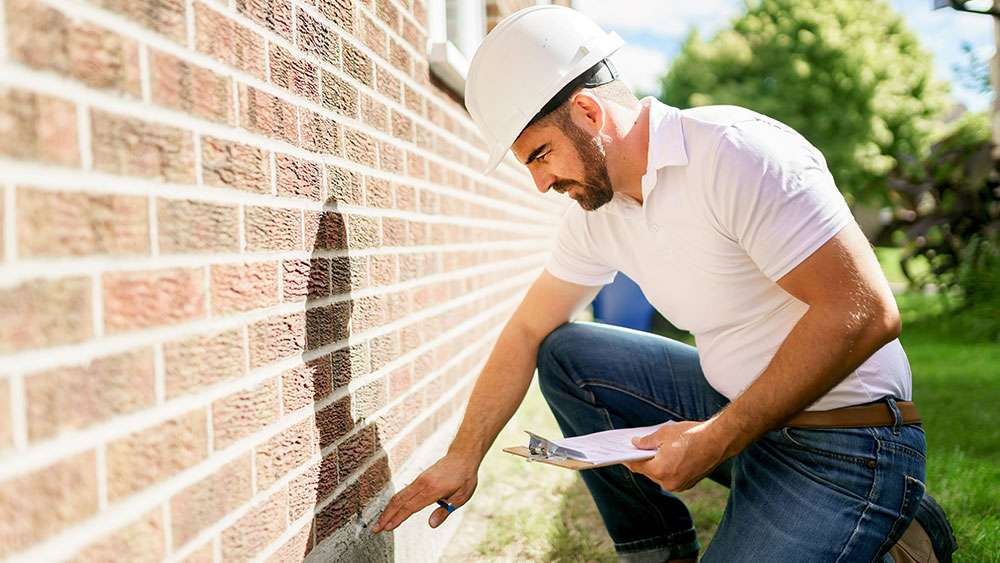
At its core, a home inspection is a professional check-up for a house. Think of it as taking your car to the mechanic before a big road trip. You wouldn’t drive cross-country without knowing your brakes work, right? Same logic applies here.
A licensed home inspector walks through the property, top to bottom, and looks for anything that might make your new dream home less dreamy. That includes:
-
Electrical systems (is that buzzing outlet going to shock you later?)
-
Plumbing (hidden leaks, water pressure, or a DIY job gone wrong)
-
Heating and cooling (AC units in Florida are life support, not a luxury)
-
Structural integrity (foundation cracks, roof leaks, sagging floors)
-
Safety hazards (mold, radon, lead paint, asbestos, carbon monoxide)
The average inspection costs between $300–$500. That’s pocket change compared to buying a $375,000 house—the current U.S. median.
And yet, people sometimes think skipping it will save them time or money. Spoiler: it doesn’t.
The Difference Between Waiving and Skipping
Here’s where things get confusing. You can waive the inspection contingency without skipping the inspection itself.
-
Waiving the contingency = you’re telling the seller, “Don’t worry, I won’t back out or ask you to fix stuff.”
-
Skipping the inspection = you’re flying blind and praying the house doesn’t collapse around you.
Smart buyers in today’s market do something in-between: they still pay for the inspection, but it’s “for informational purposes only.” That way, they know exactly what’s wrong, even if they agreed not to nickel-and-dime the seller.
Why does this matter? Because information is power. Knowing you’ll have to replace the roof in 3 years lets you plan. Not knowing means you’ll be blindsided—and broke.
Safety First: What You Can’t See on a Walkthrough
Ever walked through a house and thought, “Wow, looks great”? Yeah, the fresh paint, staged furniture, and cute backyard swing are all distractions. The real dangers are often invisible.
Here are common safety issues inspectors find:
-
Carbon monoxide leaks from faulty appliances
-
Mold growth behind drywall
-
Asbestos insulation in older homes
-
Lead paint in houses built before 1978
-
Slippery bathroom floors that turn your shower into an ice rink
You don’t notice these things during a 15-minute showing. An inspector does.
Inspections Can Save—or Kill—the Deal
Here’s a common scenario:
You fall in love with a house. You make the offer. You’re already picturing movie nights in the living room. Then the inspector comes back with a 50-page report that says the foundation is sinking, the roof is shot, and the AC is older than you.
Suddenly, you’re not so sure.
That’s where contingencies come in. If you didn’t waive it, you can renegotiate—or walk away entirely. If you did waive it, you can’t bail without losing your deposit, but at least you know what’s coming.
Sometimes, inspections don’t kill deals—they reshape them. Maybe you agree with the seller that they’ll replace the water heater. Maybe you shave $10,000 off the price. Maybe you just decide, “Okay, I’ll take it, but I know I need a $20,000 repair fund.”
Either way, knowledge saves you from nasty surprises.
The Bargaining Chip No One Talks About
Even if you waive contingencies, an inspection gives you leverage. Sellers don’t want a deal to fall apart at the last minute, especially if their house has been sitting on the market.
Let’s say the inspector finds termites chewing through the attic. You might not be able to force repairs, but you can push for a price reduction—or at least get the seller to share the cost.
Without an inspection? You just inherit the termites and the bill.
The Big One: Structural Problems
This is where things get expensive. Structural problems are like hidden grenades in a house purchase. They don’t always show up on the surface, but when they do, they blow up your wallet.
Here’s what inspectors look for:
-
Cracks in the foundation or chimney
-
Roof sagging or leaking
-
Floors that slope or bounce like a trampoline
-
Doors and windows that don’t close right
-
Damp subfloors or basements
-
Gaps in walls or ceilings
These aren’t just cosmetic issues. They’re signs of major repairs that can cost tens of thousands of dollars. Skip the inspection, and you’ll be the one writing that check.
Pests: The Silent Destroyers
If structural issues are grenades, pests are termites with detonators. Literally.
Termites alone cause billions in damage every year. Carpenter ants hollow out beams. Bedbugs turn your new place into a nightmare. Rodents chew wires that can spark fires.
One survey found that 50% of homeowners had structural damage from pests, and 22% worried about the health risks.
A good inspector knows the signs: soft wood, droppings, mud tubes, nests. Some companies even bundle pest checks into their inspection, saving you another headache.
Why Peace of Mind Is Worth $500
Here’s the bottom line: a home inspection gives you peace of mind.
Buying a house is stressful enough. You’re already juggling loan approvals, down payments, moving trucks, and endless paperwork. The last thing you need is to wonder if the roof is about to cave in.
Think of the inspection as insurance. For a few hundred bucks, you’re buying confidence. You’re sleeping better knowing that even if the inspector found problems, at least you know about them. Surprises are fun at birthday parties, not in real estate.
True Story: The Buyer Who Skipped
I once met a buyer who skipped the inspection to “save money and time.” They moved in, and within 3 months, their AC died. Then they discovered mold in the bathroom. Then the roof started leaking.
Repairs? Over $20,000. That “savings” cost them their vacation fund, their emergency fund, and probably a few nights of sleep.
Closing Thoughts
Buying a home is tough. Sometimes it feels like you have to cut corners just to get your offer accepted. But the one corner you should never cut is the inspection.
Whether you waive contingencies or not, always, always, always pay for the inspection. It could save you money, it could save your deal, and in some cases—it could save your life.
Final Word
Keep it consistent, stay patient, stay true—if I did it, so can you. This is Jorge Vazquez, CEO of Graystone Investment Group and all our amazing companies, and Coach at Property Profit Academy. Thanks for tuning in—until the next article, take care and keep building!
If you’d like to connect directly with me, feel free to book a time here: https://graystoneig.com/ceo.
Book an Expert
New investor? Start with Jorge.

Jorge Vazquez – CEO & Investment Strategist at Graystone. Let’s make your portfolio stronger, steadier, and more profitable.
Deals? Book with Cody.

Meet Cody Bergstrom, Your Expert in Finding Deals Let’s find an off-market deal that actually works for you.
Need financing? Book with Lisa.

Meet Lisa Kaye Price, the LendingGig Top ML Let’s figure out the smartest way to fund your next deal.
Looking for PM? Book with Jay

Jay Michalec – COO & Property Management Expert at Graystone. Let’s make your rentals easier, calmer, and more profitable.