


How I House Hacked My Way From Losing 22 Homes to Nearly 40 Properties
How I Rebuilt My Real Estate Portfolio After the 2008 Crash
In 2008, I hit rock bottom.
I lost 22 properties during the real estate crash. I was nearly bankrupt, my credit was destroyed, and financially my world had been turned upside down.
I had two choices:
Give up—or rebuild.
I chose to rebuild.
But I couldn’t rebuild the same way I had built before.
I didn’t have a pile of cash.
I didn’t have perfect credit.
I didn’t have lenders lining up to finance me.
What I still had was experience, knowledge, determination, and a willingness to live differently for a while.
That decision eventually led me to house hacking, then to the BRRRR strategy, and ultimately back to owning nearly 40 properties.
Today, after more than two decades in real estate and more than 3,500 transactions, I look at losing those 22 properties differently.
At the time, it felt like the worst thing that could happen.
Today, I consider it one of the biggest lessons of my career.
Quick Answer: How Did I Rebuild?
My comeback wasn’t based on one giant investment.
It happened one property at a time.
My basic strategy was:
- House hack to reduce my personal housing expenses.
- Buy properties with opportunities to create equity.
- Do as much work myself as possible in the beginning.
- Rent the properties and stabilize them.
- Use refinancing and accumulated equity to help fund future purchases.
- Transition into the BRRRR strategy: Buy, Rehab, Rent, Refinance, Repeat.
- Build systems and a team once the portfolio became too large to manage alone.
There was nothing glamorous about it.
But it worked.
What Is House Hacking?
House hacking is a real estate strategy where you live in a property while generating income from part of that property.
That might mean:
- Renting bedrooms to roommates
- Buying a duplex, triplex, or fourplex and living in one unit
- Renting an accessory dwelling unit
- Converting part of a property into rentable living space where legally permitted
The purpose is simple:
Use rental income to reduce your own housing expense while simultaneously building equity in real estate.
For someone trying to enter real estate without enormous amounts of capital, house hacking can be one of the most powerful starting strategies available.
Certain owner-occupied FHA financing programs can also be used on qualifying one-to-four-unit properties, subject to lending, occupancy, credit, property, and FHA requirements. The U.S. Department of Housing and Urban Development explains that FHA-insured financing can be available for eligible one-to-four-unit owner-occupied properties.
Source: U.S. Department of Housing and Urban Development – FHA Home Loans
Always confirm current loan requirements with a qualified lender.
House Hack #1: The Sacrifices Begin
My first house hack wasn’t something you would see on Instagram.
There were broken toilets.
Old wiring.
Repairs everywhere.
The neighborhood wasn’t exactly where most people dreamed about living.
But I moved in.
I started fixing things.
And I rented out the other rooms.
Every dollar mattered.
I became the handyman, property manager, accountant, leasing agent, and sometimes the plumber.
If something broke and I could figure out how to repair it myself, I did.
I patched drywall.
I painted.
I unclogged drains.
I learned repairs from anyone willing to teach me—and sometimes from YouTube.
My weekends weren’t spent relaxing.
They were spent working on properties.
But that first house gave me something incredibly important:
Equity.
That equity became my lifeline.
I realized:
If I could create equity once, maybe I could do it again.
And again.
And again.
The Grit Between the Glamour
Real estate investing gets presented very differently online today.
People show closings.
They show renovated kitchens.
They show the rent checks.
They show the portfolio after it’s built.
What you don’t always see is everything between the purchase and the success.
I dealt with:
- Water leaks
- Broken air conditioners
- Plumbing disasters
- Code violations
- Contractors disappearing
- Bad estimates
- Tenant problems
- Cash shortages
- Financing challenges
- Deals that didn’t go as planned
There were plenty of nights when I questioned whether rebuilding was worth it.
But then another unit would get rented.
Another repair would be completed.
Another property would increase in value.
Another refinance would get approved.
Those small wins started stacking together.
And eventually, banks began seeing something that mattered:
A track record.
That’s one lesson I still teach investors today.
Banks don’t finance motivation.
They finance numbers, assets, income, creditworthiness, experience, collateral, and documented performance.
So document what you’re doing.
From House Hacking to BRRRR
Eventually I moved from basic house hacking into a strategy that became a major part of my portfolio:
BRRRR
BRRRR stands for:
Buy
Rehab
Rent
Refinance
Repeat
Instead of simply buying a turnkey rental at full retail value, I focused heavily on opportunities where I could create equity.
That distinction matters.
I wasn’t only asking:
“How much cash flow does this property make today?”
I was also asking:
“What can this property be worth after I fix the problem?”
That’s still a major part of how I think about real estate investing today.
Equity Became My Growth Engine
In the early years, I didn’t have unlimited capital.
So I needed my properties to help finance my growth.
The basic concept looked like this:
Buy below potential value → improve the property → create equity → rent it → refinance when appropriate → use available capital toward the next opportunity.
Not every refinance returned all of my money.
Not every deal worked perfectly.
And refinancing depends heavily on interest rates, appraisals, loan guidelines, debt-service coverage, credit, income, seasoning requirements, and market conditions.
But over many transactions, the strategy allowed me to keep building.
This is an important distinction:
BRRRR isn’t magic.
The strategy works best when the investor buys correctly.
If you overpay for the property or underestimate rehabilitation costs, the refinance doesn’t magically fix the mistake.
You create your best opportunity for equity when you buy, not when you refinance.
Buying Undervalued Real Estate Changed Everything
One of the biggest lessons I learned was to stop thinking only about buying houses.
I started thinking about buying problems I knew how to solve.
A property might have:
- Deferred maintenance
- An outdated kitchen
- Bad flooring
- Poor presentation
- An overwhelmed seller
- Tenant problems
- Management problems
- Financing complications
- Repairs other buyers didn’t want to handle
Those problems often scared retail buyers away.
But sometimes they created opportunity.
If I could understand the problem, accurately estimate what it would cost to fix it, and purchase the property at the right price, I had a chance to create equity rather than simply wait for appreciation.
That philosophy still influences how we evaluate opportunities at Graystone Investment Group today.
Meeting My Wife Changed My Focus
A few years after losing everything, I met my wife.
At that point, I was still rebuilding.
I didn’t have some massive portfolio to impress anyone with.
I had a handful of beat-up properties, plenty of ambition, and a plan that was slowly working.
She believed in me before the comeback was obvious.
That mattered.
Her support helped me shut out some of the noise and become more disciplined about what I was building.
The goal wasn’t simply:
Own more houses.
It became:
Build a future.
That change in perspective made me sharper.
I became more intentional with money.
More intentional with deals.
More intentional about long-term goals.
And more focused on creating something sustainable instead of simply chasing transactions.
Property #10 Taught Me That Hustle Doesn’t Scale
When you own one or two rentals, you can convince yourself you can do everything.
Find the property.
Negotiate.
Manage the rehab.
Collect rent.
Fix toilets.
Do accounting.
Answer tenant calls.
Handle refinancing.
Do bookkeeping.
And somehow still have a life.
Eventually reality catches up.
Around property #10, I realized:
I couldn’t continue being the entire company.
That’s when systems became as important as properties.
I began developing repeatable processes around:
- Finding deals
- Estimating repairs
- Negotiating
- Renovations
- Leasing
- Accounting
- Property management
- Financing
- Vendor relationships
- Documentation
And most importantly:
I started bringing in other people.
Contractors.
Bookkeepers.
Property managers.
Lenders.
Agents.
Other specialists.
That transition—from doing everything myself to building systems—was one of the biggest turning points in my investing career.
From Personal Portfolio to More Than 500 Properties Under Management
Eventually, the lessons I learned managing my own rentals became part of something much larger.
Today, I personally own nearly 40 properties, and Graystone Investment Group has grown into an integrated real estate investment organization involved in acquisitions, financing coordination, renovation, brokerage, property management, and investor education.
Graystone now manages more than 500 rental properties, while I have participated in more than 3,500 real estate transactions throughout my career.
That did not happen because one deal made me rich.
It happened through thousands of smaller decisions made consistently over many years.
If you’d like to learn more about my background, you can read:
Meet Jorge Vazquez, CEO of Graystone Investment Group
You can also read more about how Graystone grew beyond 500 properties:
Jorge Discusses AI, Real Estate Investing and the Road to 500+ Properties
I Still Lost Money on Deals
I don’t want anyone reading this article and thinking every property I bought became some incredible BRRRR success story.
That’s not reality.
I’ve made mistakes.
I’ve underestimated repairs.
I’ve dealt with bad tenants.
I’ve chosen the wrong contractors.
I’ve spent more than expected.
I’ve dealt with vacancies.
I’ve purchased properties I wouldn’t buy again knowing what I know today.
And I’ve lost money.
Experience doesn’t mean you never make mistakes.
Experience means you make fewer avoidable mistakes—and hopefully recognize problems faster.
The goal isn’t perfection.
The goal is survival, learning, consistency, and improvement.
Losing 22 Properties Became One of My Greatest Lessons
For years, losing those properties was something I didn’t particularly enjoy talking about.
Who wants to tell people:
“I lost 22 houses”?
But today I’m glad to talk about it.
Because investors need to hear both sides.
I know what it’s like to buy real estate when everything feels easy.
And I know what it’s like when the market turns against you.
That experience permanently changed how I look at:
- Leverage
- Liquidity
- Cash reserves
- Financing
- Property management
- Risk
- Appreciation
- Cash flow
- Debt
- Market cycles
The crash taught me something that success couldn’t:
Never build a portfolio that only works when everything goes right.
My Biggest Lessons From Rebuilding
If I could sit down with the version of myself starting over after 2008, these are some of the things I’d tell him.
1. Start Where You Are
You don’t need everything perfectly lined up.
But you do need to understand your numbers and your risks.
Start with what you have.
2. House Hacking Can Be a Powerful Starting Strategy
Reducing your own housing expense while building ownership in real estate can change the math dramatically for a beginning investor.
It’s one reason I still believe house hacking deserves serious consideration from younger investors and people starting with limited capital.
3. Buy Equity Whenever Possible
Cash flow matters.
But especially for younger investors with time on their side, buying below market value and creating equity can significantly accelerate long-term portfolio growth.
4. Don’t Depend Only on Appreciation
Appreciation is great.
But you don’t control it.
I prefer strategies where I can improve the property, improve the management, improve the income, negotiate the purchase price, or otherwise create value myself.
5. Learn How Properties Actually Work
You don’t have to become a licensed contractor.
But understanding roofs, plumbing, electrical systems, HVAC, flooring, kitchens, bathrooms, and basic construction makes you a much stronger investor.
You become harder to fool.
6. Track Everything
Keep records.
Track renovation expenses.
Save invoices.
Track rents.
Document improvements.
Know your basis.
Understand your financing.
Know what every property actually earns.
Memory is not an accounting system.
7. Build Systems Before You Think You Need Them
When you have two properties, ten sounds impossible.
When you have ten, twenty seems impossible.
Systems are what make growth possible.
8. Protect Your Downside
After experiencing 2008, I believe much more strongly in preparing for what happens when things don’t go according to plan.
Ask yourself:
What happens if rents decline?
What happens if the property sits vacant?
What happens if the AC dies?
What happens if refinancing isn’t available?
What happens if values decline?
A good investment should have more than one way to survive.
9. Don’t Let One Bad Deal End Your Career
I’ve had deals that didn’t work.
Most experienced investors have.
One bad investment should become tuition—not a reason to abandon the entire business.
Learn.
Adjust.
Keep moving.
Advice for Someone Starting From Scratch Today
If you’re reading this thinking:
“There’s no way I could build 40 properties.”
Don’t start by thinking about 40.
Think about property number one.
That’s what people miss.
Nobody buys property number 40 first.
I didn’t grow up wealthy.
Nobody handed me a giant portfolio.
And after losing 22 properties, I effectively had to start over.
So if I were beginning today, I would focus on three things:
Income.
Credit.
Knowledge.
Then I would look for a realistic path into property number one.
For one person that may be house hacking.
For another it may be BRRRR.
For someone with more capital it may be a traditional rental.
For someone else it may mean spending another year improving their financial position before buying anything.
There isn’t one strategy for everybody.
Real Estate Is a Get-Rich-Eventually Strategy
Real estate gets marketed as a fast road to wealth.
My experience has been different.
I think of real estate as a:
Get-rich-eventually strategy.
One property creates experience.
Experience helps you recognize better opportunities.
Better decisions create equity.
Equity creates options.
Options create additional opportunities.
And time allows all of those things to compound.
Twenty years later, people may see the portfolio.
They don’t see the thousands of decisions that created it.
The Power of a Comeback
This story isn’t really about houses.
It’s about rebuilding.
I went from losing 22 properties during one of the worst real estate crashes in modern history to rebuilding a portfolio of nearly 40 properties.
Not because I’m special.
Not because every deal worked.
And definitely not because the road was easy.
I rebuilt because I kept going.
One repair.
One tenant.
One refinance.
One property.
One closing.
One lesson at a time.
Today, I have the opportunity to use those lessons to help other investors avoid some of the mistakes I made and understand what long-term real estate investing really looks like.
That’s one of the reasons we built Graystone around the philosophy:
You invest. We do the rest.
If you’re down, don’t stay there.
If your first investment didn’t work, learn from it.
If you don’t have enough money yet, improve your position.
If your credit isn’t ready, work on it.
If you don’t know enough yet, keep learning.
But don’t confuse being behind with being finished.
Failure is only final when you stop.
Frequently Asked Questions About House Hacking and BRRRR
What is house hacking?
House hacking is a real estate strategy in which an owner lives in a property while generating rental income from another portion of it. Common examples include renting bedrooms, buying a duplex and renting the second unit, or living in one unit of a small multifamily property.
How did Jorge Vazquez rebuild after losing 22 properties?
After losing 22 properties during the housing crash, Jorge Vazquez rebuilt by reducing expenses, house hacking, buying undervalued real estate, creating equity through renovations, renting properties, refinancing when appropriate, and eventually scaling through the BRRRR strategy.
What is BRRRR in real estate?
BRRRR stands for Buy, Rehab, Rent, Refinance, Repeat. Investors purchase a property, improve it, rent it, refinance based on its stabilized value when financing conditions permit, and potentially redeploy available capital into another investment.
Is house hacking good for beginner real estate investors?
House hacking can be a strong strategy for some beginners because rental income may offset part of the owner’s housing expense while the investor gains experience owning and managing property. Financing eligibility, zoning, rental rules, insurance, property condition, and personal circumstances should all be evaluated before purchasing.
Can you house hack a duplex, triplex, or fourplex?
Yes. Many investors house hack small multifamily properties by occupying one unit and renting the others. Certain owner-occupied loan programs may permit qualifying one-to-four-unit properties, subject to lender and program requirements.
What is more important for a beginner: cash flow or equity?
It depends on the investor’s financial position, age, objectives, available capital, and risk tolerance. Investors with limited capital and a long investment horizon may place greater emphasis on creating equity, while investors who already have substantial capital or are closer to retirement may prioritize immediate cash flow and income.
How many properties does Jorge Vazquez own?
Jorge Vazquez currently owns nearly 40 properties across his long-term and short-term rental portfolio.
How many properties does Graystone Investment Group manage?
Graystone Investment Group currently manages more than 500 rental properties across its property management platform.
How much real estate experience does Jorge Vazquez have?
Jorge Vazquez has more than two decades of hands-on real estate experience and has participated in more than 3,500 real estate transactions, including rentals, BRRRR investments, creative financing, acquisitions, dispositions, lending, renovations, and property management.
Want to Talk About Your First—or Next—Investment?
You don’t need 40 properties.
You need a smart plan for the next one.
If you want to talk through house hacking, BRRRR, rental properties, creating equity, financing, or building a long-term Florida real estate portfolio, you can schedule time directly with me.
Book a Call With Jorge Vazquez
Or learn more about how we help investors at:
Keep it consistent.
Stay patient.
Stay true.
If I did it, so can you.
— Jorge Vazquez
CEO & Co-Founder, Graystone Investment Group
Real Estate Investor | Licensed Broker | Investor Educator
3,500+ Real Estate Transactions | 20+ Years of Experience
You invest. We do the rest.
Book an Expert
New investor? Start with Jorge.
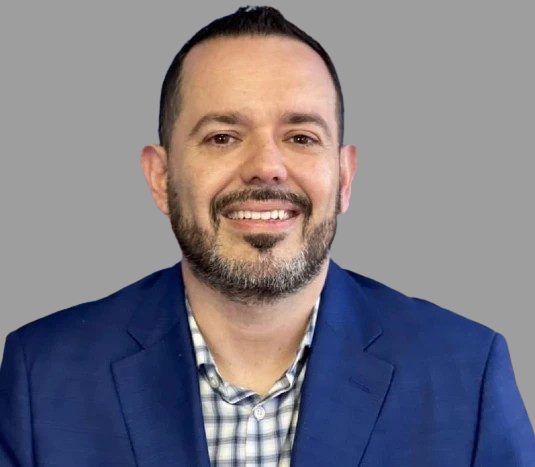
Jorge Vazquez – CEO & Investment Strategist at Graystone. Let’s make your portfolio stronger, steadier, and more profitable.
Deals? Book with Cody.

Meet Cody Bergstrom, Your Expert in Finding Deals Let’s find an off-market deal that actually works for you.
Need financing? Book with Lisa.
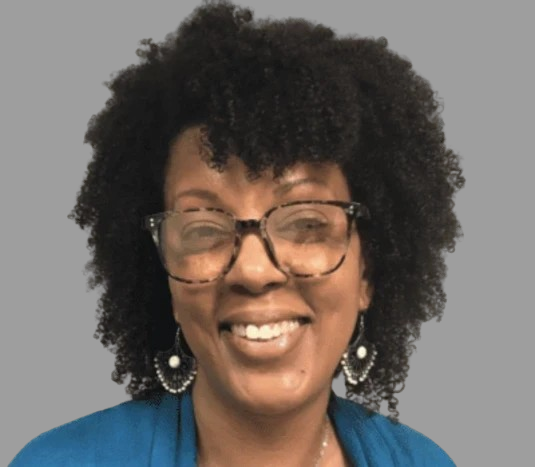
Meet Lisa Kaye Price, the LendingGig Top ML Let’s figure out the smartest way to fund your next deal.
Looking for PM? Book with Jay
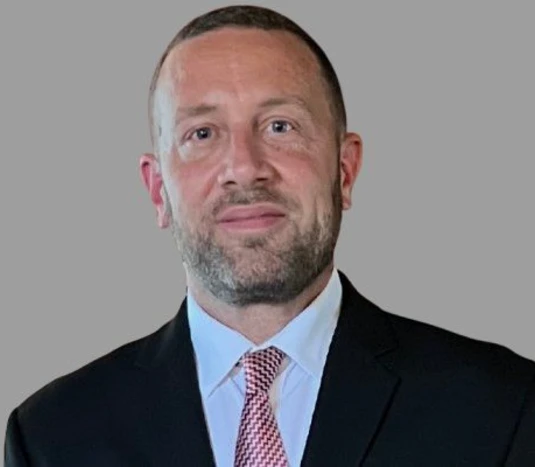
Jay Michalec – COO & Property Management Expert at Graystone. Let’s make your rentals easier, calmer, and more profitable.